Table of contents
Adapting sensory stimulation for different needs and abilities means changing the type, intensity, timing, and delivery of sensory input so it supports regulation rather than overwhelm. In practice, the most effective sensory rooms are never “one size fits all”; they are planned around the individual’s sensory profile, communication style, mobility, age, and goals. At Sensory Room Planner, this is the principle that guides every thoughtful sensory environment, whether it is being created for autism, ADHD, dementia, sensory processing differences, or complex learning needs.
Highlights
- Sensory stimulation works best when it is personalised to the individual’s sensory thresholds, preferences, and support needs.
- Effective rooms balance calming and alerting input, with easy ways to increase, reduce, or stop stimulation quickly.
- Autism, ADHD, dementia, and sensory processing disorder often require different sensory priorities and room layouts.
- Simple adjustments in lighting, sound, seating, and zoning can dramatically improve safety, comfort, and engagement.
What adapting sensory stimulation actually means
Adapting sensory stimulation is the process of tailoring sensory input so it is helpful for the person using the space. That may mean dimming lights for a child who is visually sensitive, adding rhythmic movement for someone who regulates through vestibular input, or reducing competing sounds for a person with dementia who becomes confused in noisy environments. The aim is not to add as many sensory features as possible. The aim is to provide the right sensory information, in the right amount, at the right time.
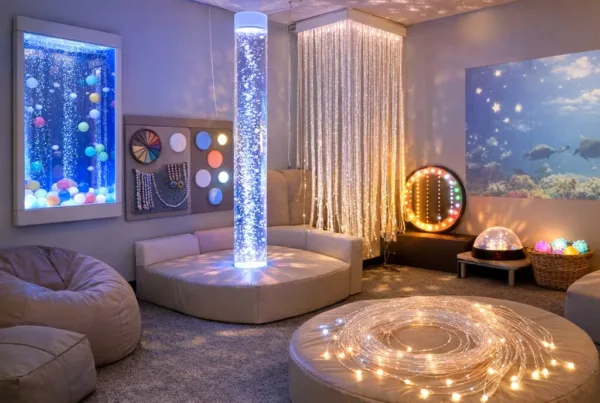
This distinction matters because a room filled with attractive equipment can still fail if the stimulation is mismatched. A bright colour-changing light wall, loud speaker, mirror ball, and vibrating seat may look impressive, but for someone who struggles with sensory overload, that setup can increase distress rather than improve regulation. By contrast, a simpler space with controlled lighting, predictable sounds, supportive seating, and clearly defined activity zones often delivers far better outcomes.
For a deeper look at how purposeful sensory design supports regulation and participation, readers may find how sensory integration can be facilitated in sensory rooms helpful. The core lesson is always the same: sensory rooms should respond to the user, not expect the user to adapt to the room.
Why one sensory setup does not suit everyone
Different conditions and life stages can shape sensory preferences in very different ways. Many autistic children and adults experience hyper- or hypo-sensitivity across several sensory systems. One person may avoid bright lighting and sudden sounds, while another actively seeks deep pressure, movement, or visual stimulation. ADHD may bring a need for movement, novelty, and short bursts of sensory input, but also a low tolerance for cluttered environments that make concentration harder. Dementia often changes how people process sound, contrast, familiarity, and orientation, so a calm, predictable space becomes especially important.
Research also supports the need for personalised environments. The UK National Autistic Society explains that autistic people can be over- or under-sensitive to sensory input, and that this can affect daily functioning, stress levels, and participation in activities through sensory differences. The NHS likewise recognises that dementia can affect how a person understands what they see, hear, and feel, which is why environments often need adaptation in dementia care information.
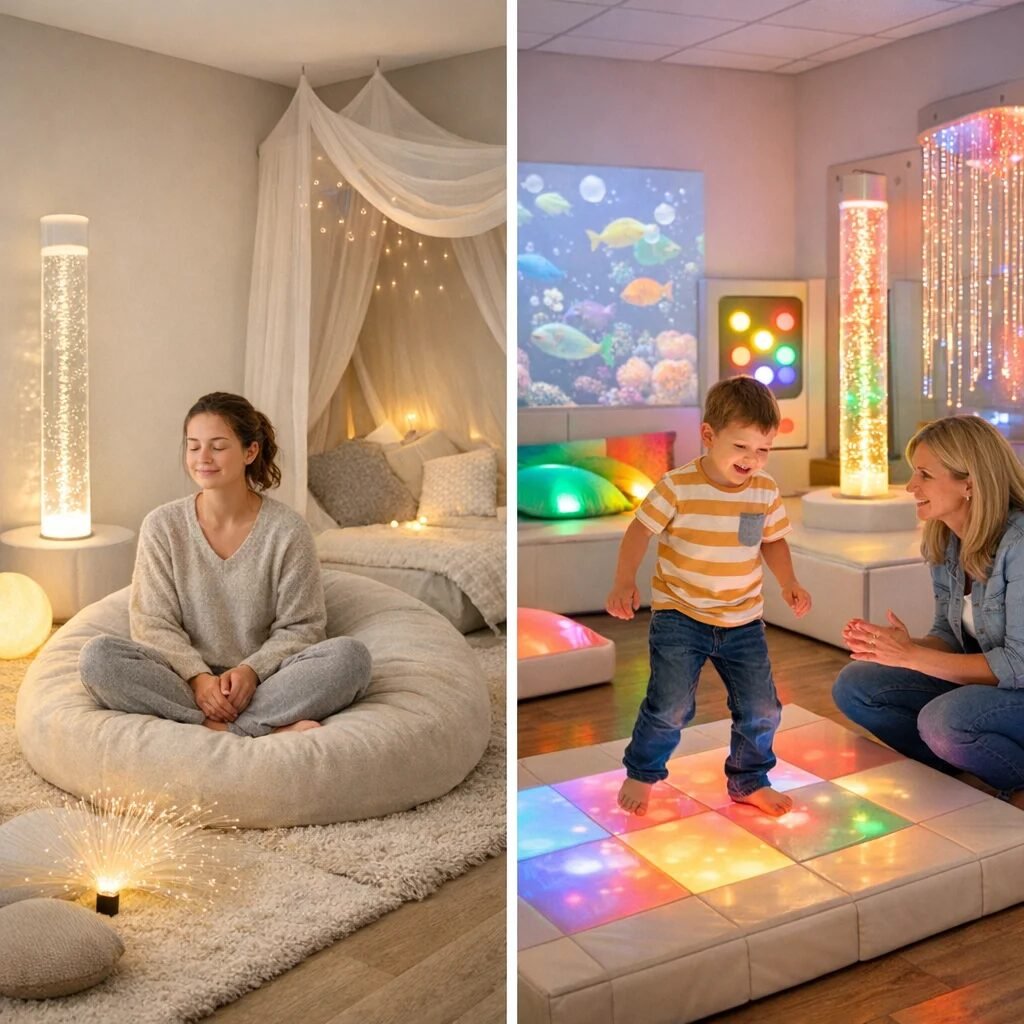
In practical terms, this means successful sensory rooms are designed around patterns, not labels alone. Two children with autism may need completely different setups. One may benefit from a darkened corner, a weighted blanket, and soft ambient sounds. Another may need a movement zone, interactive lighting, and short periods of proprioceptive input before they can engage with learning. Diagnosis provides useful context, but observation and response should guide the final design.
How to assess sensory needs before choosing equipment
Start with observation, not shopping
A common mistake is buying equipment first and asking questions later. The better route is to observe how the individual responds in everyday situations. Do they cover their ears when appliances are on? Do they seek pressure by squeezing into tight spaces? Do they become dysregulated under fluorescent lights? Do they need movement before sitting still? These patterns reveal far more than a catalogue ever will.
At this stage, it helps to record triggers, preferred sensations, avoidance behaviours, and recovery strategies. Parents might track what happens before and after meltdowns or shutdowns. Teachers may note the times of day when a pupil loses focus or seeks movement. Therapists often watch how the person responds to tactile, vestibular, auditory, and visual input in graded ways. This creates a practical sensory profile that can shape the room.
Identify the purpose of the space
The next question is whether the room is primarily for calming, alerting, skill-building, therapeutic intervention, or a mix of these. A calm-down room for a primary school pupil should not be designed the same way as an exploratory sensory space in a therapy clinic. Nor should a home sensory corner intended for bedtime regulation mirror a high-engagement multi-sensory room used for early communication sessions.
It is often useful to define no more than three main outcomes. For example: reduce overload after school, support transitions, and provide safe movement input. Keeping these aims focused makes equipment choices clearer. It also prevents the room from becoming visually crowded with items that look helpful but do not serve the actual user.
Adapting each sensory channel effectively
Visual stimulation
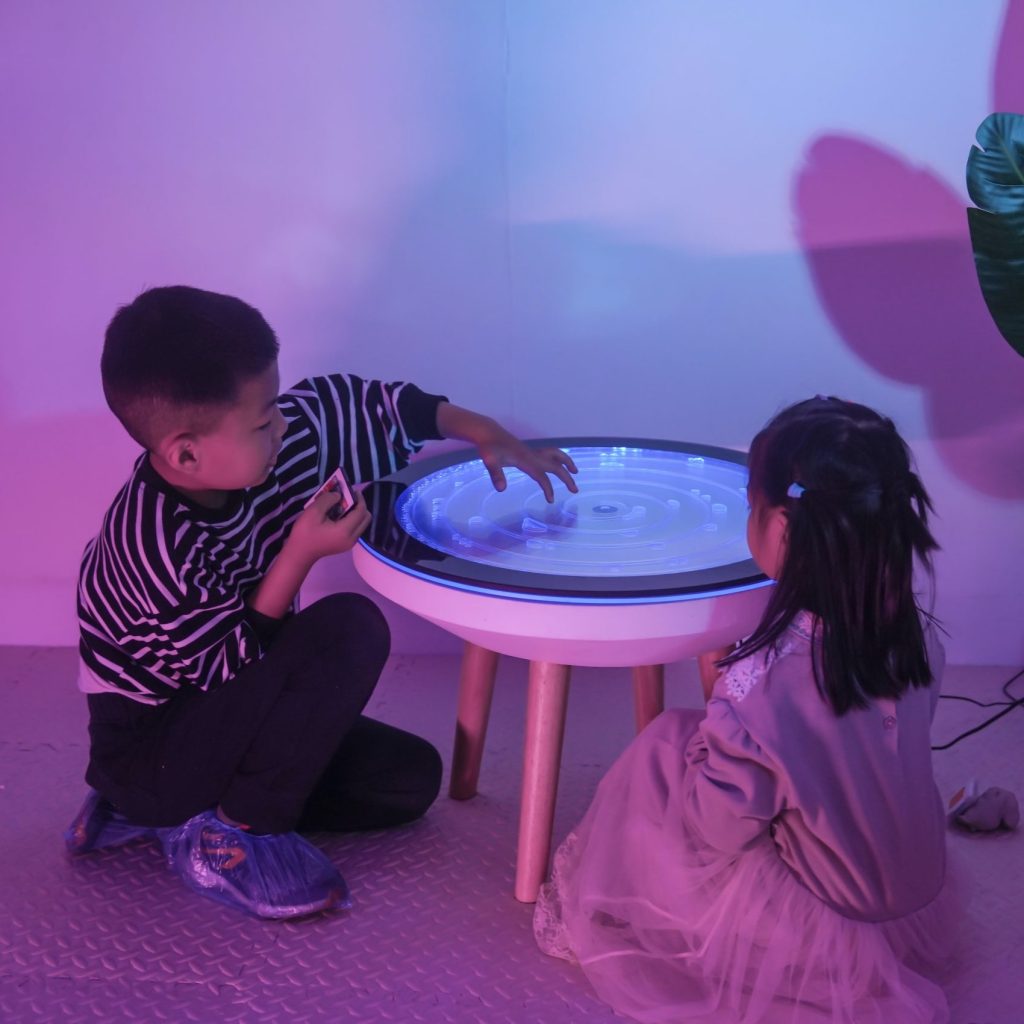
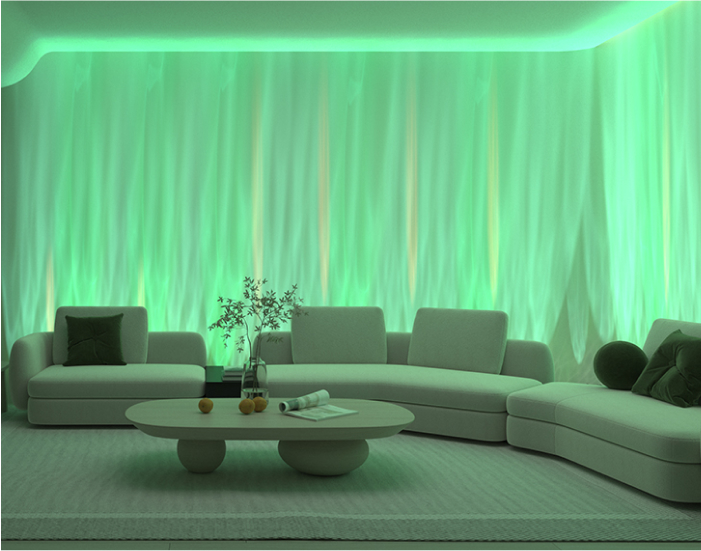
Visual input is usually the first thing people think about in sensory rooms, but it is also one of the easiest forms of stimulation to overdo. For users who are visually sensitive, start with soft, indirect, dimmable lighting and predictable effects. A single bubble tube, slow colour transitions, or a low-glare projector can be enough. For sensory seekers, interactive light panels or colour-choice systems may increase engagement, but they still need control and limits.
One effective strategy is to layer visual input. Begin with a neutral base: plain walls, limited clutter, and a single focal feature. Then add optional stimulation that can be switched on when appropriate. Many schools find that installing sensory LED lights with adjustable brightness gives much better flexibility than fixed bright fittings. Poor setups tend to combine fast flashing lights, mirrored reflections, and multiple colours at once, which can quickly become dysregulating.
Auditory stimulation
Sound should be considered with just as much care as lighting. Some users benefit from gentle rhythmic sound, white noise, nature tracks, or low-volume music. Others find even soft background audio distracting or distressing. In a well-adapted room, sound is optional, directional where possible, and easy to stop immediately.
Soft furnishings, wall panels, and flooring choices can also reduce echo and harsh acoustics. This matters in school and therapy settings, where hard surfaces often make sounds feel louder and more chaotic. The difference between a room that “sounds calm” and one that amplifies every movement is significant, especially for autistic users and those with auditory defensiveness.
Tactile and deep pressure input
Tactile input needs careful grading. Some individuals enjoy textured cushions, tactile panels, soft rugs, or fidget items. Others dislike light touch but respond well to firm pressure. This is where deep-pressure resources can be especially valuable. A bean bag that moulds around the body, compression seating, or a weighted lap pad may help a user feel grounded and organised.
Choice is essential here. A tactile area should never force contact with textures that the user dislikes. A better approach is to provide a few contrasting options and let the individual initiate interaction. A set of sensory fidget toys can be useful in both home and school spaces because it allows tactile exploration without requiring whole-body engagement.
Vestibular and proprioceptive input
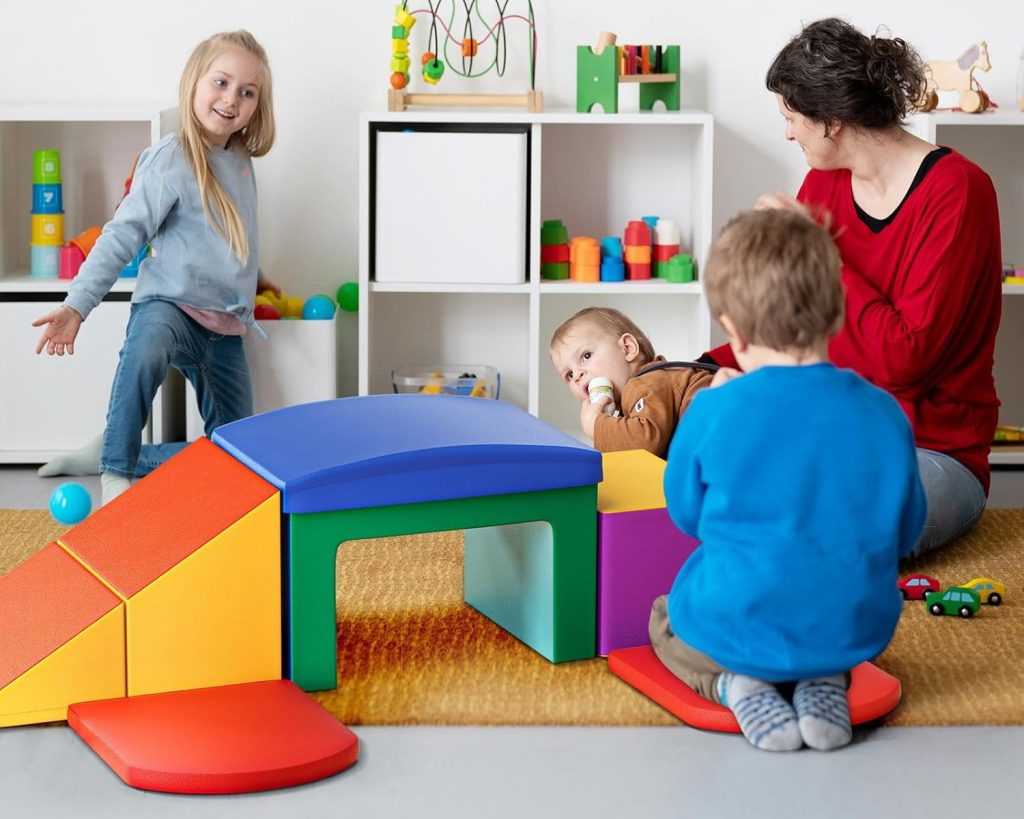
Movement and body-awareness input can be highly regulating, especially for people who seek it throughout the day. Rocking chairs, crash mats, floor cushions, therapy balls, and resistance-based activities can provide vestibular and proprioceptive feedback in a controlled way. For ADHD and sensory seekers, these features are often central rather than optional.
That said, movement equipment needs clear safety rules and good supervision. Overstimulating vestibular input can make some users unsettled, nauseous, or more dysregulated. This is why zoning matters. A movement area should be separate from the calming area, not blended into it. In many room plans, a supportive bean bag chair works extremely well as a transition point between active and calming input.
Adapting for different needs and diagnoses
Autism
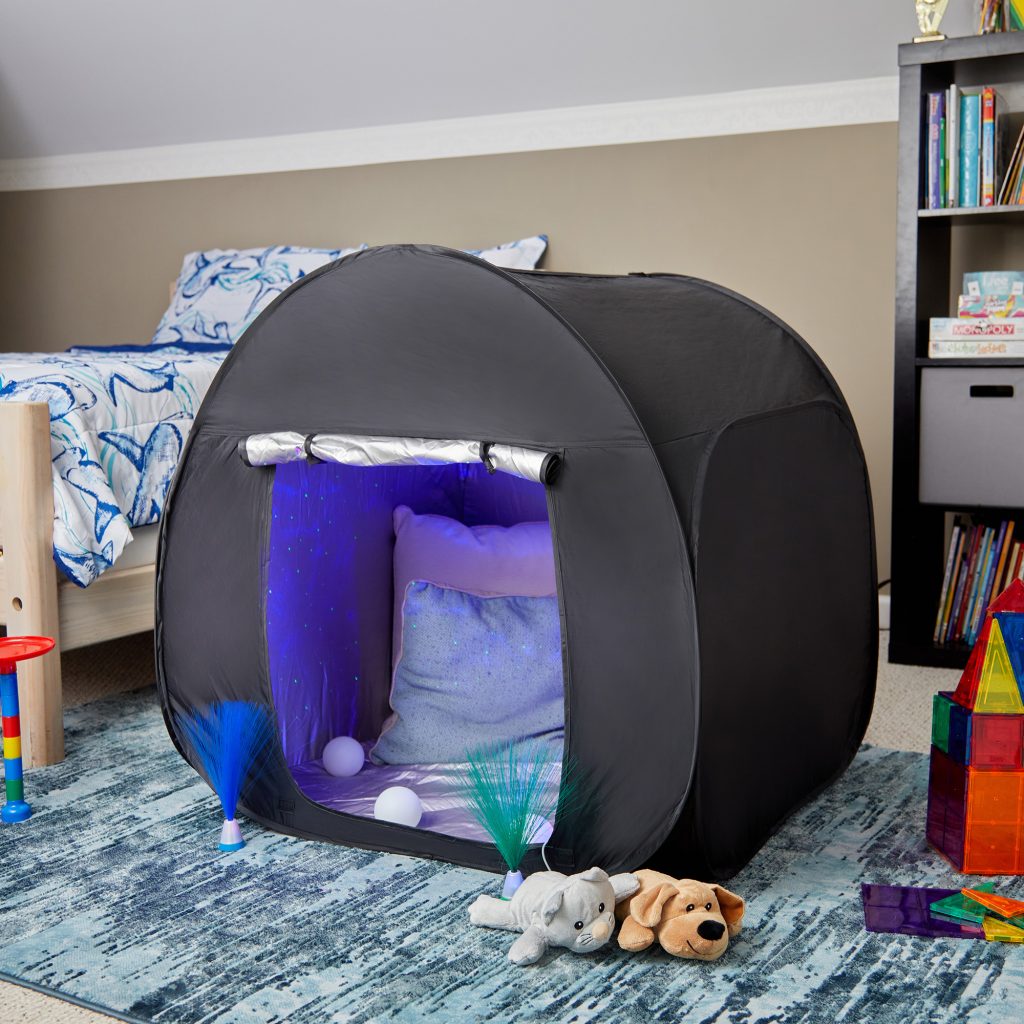
For autistic users, predictability, control, and sensory choice are often the foundations of a successful room. Clear routines, consistent equipment placement, and the ability to reduce stimulation quickly can lower anxiety. Visual clutter should be limited, and there should always be a low-demand retreat option such as a canopy corner, enclosed seat, or dimly lit bean bag area.
Effective autism-friendly setups often succeed because they are quieter and more purposeful than people expect. Instead of trying to fill every wall, they focus on a few meaningful elements: one visual feature, one pressure-based seating option, one tactile resource area, and one calm retreat space. This measured approach usually supports communication and regulation more effectively than a room filled with competing sensory features.
ADHD
ADHD-friendly sensory spaces often need to accommodate movement without becoming chaotic. Short-access activities work well: wall push stations, wobble seating, stepping spots, resistance bands, and quick sensory resets. Lighting should be comfortable but not soporific if the room is also being used to support focus between classroom tasks.
One useful contrast is this: a poor ADHD setup may include dozens of visually exciting resources with no structure, leading to constant switching and no regulation. An effective setup includes a movement station, a focus corner, a visual timer, and a calm-down area, so the user can move through the space with purpose. Structure supports freedom.
Dementia
When designing for dementia, sensory stimulation should usually be gentle, reassuring, and familiar. Strong contrast can help some individuals identify seating or pathways more easily, but flashing effects, complex projections, and unpredictable sounds are often unhelpful. Familiar music, soft tactile items, warm lighting, and a comfortable chair can be far more effective than highly interactive technology.
Orientation matters too. The room should be easy to navigate, with minimal trip hazards and clear seating choices. For many older users, the sensory environment should reduce confusion rather than encourage exploration. The emotional tone of the room is often more important than the number of features in it.
Sensory processing disorder and complex needs
For sensory processing differences, especially where there are multiple support needs, the best rooms are highly adjustable. This may include switch-operated equipment, wheelchair-accessible layouts, low-arousal colour palettes, and equipment that can be used at different intensities. In therapy settings, graded exposure to sensory input often works better than immediate full engagement.
Users with complex needs may also require the room to support communication devices, hoists, postural seating, or one-to-one support. In these cases, space planning is just as important as sensory equipment. A beautiful room that does not allow safe access or comfortable positioning will not function well in practice.
Step by step: how to set up a flexible sensory room
When planning a sensory room that can adapt to different needs and abilities, this process is usually the most reliable:
- Define the users and their top three sensory goals.
- Decide whether the room needs calming, alerting, therapeutic, or mixed-use zones.
- Choose controllable lighting first, as this affects the whole feel of the room.
- Add supportive seating and a retreat area before extra interactive features.
- Select one or two sensory tools for each target sensory channel, not five or six.
- Test the room with one user at a time and record what helps or hinders.
- Adjust intensity, positioning, and timing based on real responses.
This staged approach prevents overspending and avoids the common trap of designing the room around aesthetics rather than outcomes. It also makes the space much easier to refine over time. At Sensory Room Planner, flexible planning consistently produces better long-term results than trying to create a finished “perfect room” in one go.
Those planning educational spaces may also benefit from exploring broader school-focused strategies through sensory room planning guidance, especially when trying to balance access, behaviour support, and curriculum demands.
Common mistakes and how to avoid them
The most common mistake is overstimulation. Too many lights, too many sounds, too many colours, and too many activity options can make a room feel exciting but unusable. If a user walks in and immediately scans, freezes, covers their ears, or tries to leave, the room is not meeting its purpose. The solution is usually subtraction, not addition.
Another frequent mistake is ignoring transitions. Some users need a clear pathway from high stimulation to low stimulation. If the only seating is in the brightest part of the room, or if the movement equipment is placed next to the calm corner, regulation becomes harder. Good layouts support gradual change in arousal levels.
A third issue is poor staff or family consistency. Even the best room can fail if adults use it differently every time. One person may switch on every feature at once, while another uses the room only as a reward space. A simple room guide with preferred settings, safety notes, and individual responses can make the environment much more effective.
Measuring whether the sensory room is working
A sensory room should produce observable benefits. These might include reduced distress, better recovery after dysregulation, longer engagement in activities, improved communication attempts, or smoother transitions. Tracking these outcomes gives a clearer picture than relying on whether the room “looks good” or whether the equipment is popular.
Useful measures include session length, number of incidents before and after use, ability to return to class or daily activity, and signs of calm body language. According to the CDC, around 1 in 36 children has been identified with autism spectrum disorder in current autism prevalence data, which reinforces why personalised sensory environments are so relevant across schools and family settings. As demand grows, evidence of impact becomes even more important.
Frequently Asked Questions
How do sensory rooms adapt for different needs?
Sensory rooms adapt by changing the intensity, type, and duration of stimulation to suit the individual. This can include dimmable lighting, optional sound, different seating, movement equipment, and quiet retreat areas. The best rooms are flexible enough to calm one user and engage another.
What is the best sensory room setup for autism?
The best setup for autism is usually low-clutter, predictable, and easy to control. Many autistic users benefit from soft lighting, reduced noise, deep-pressure seating, and a quiet retreat space. A smaller number of carefully chosen features often works better than a room filled with stimulation.
Should a sensory room be calming or stimulating?
It depends on who is using it and why. Some people need calming input to reduce stress, while others need alerting input to support attention or engagement. A well-designed room usually includes both options, separated into clear zones or accessed at different times.
What equipment is most useful in a flexible sensory room?
Dimmable lights, comfortable supportive seating, tactile resources, and one or two movement options are often the most useful starting points. Bubble tubes, bean bags, weighted items, and fidgets can all be effective if matched to the user’s sensory profile. Control matters more than quantity.
How can schools avoid overstimulating pupils in sensory rooms?
Schools can avoid overstimulation by limiting visual clutter, reducing competing sounds, and using equipment that can be turned on individually. Zoning the room for calming and active use also helps. Staff should follow a consistent plan instead of activating multiple features at once.
Are sensory rooms suitable for people with dementia?
Yes, but the design should usually be simpler and more familiar than a child-focused sensory room. Warm lighting, calming music, tactile comfort items, and easy navigation are often more beneficial than bright interactive effects. The goal is reassurance and orientation rather than high stimulation.
How do you know if a sensory room is helping?
A sensory room is helping if the user shows clear signs of improved regulation, comfort, focus, or engagement. This may include calmer behaviour, better transitions, increased communication, or reduced distress. Tracking these responses over time is the best way to judge effectiveness.
Adapting sensory stimulation for different needs and abilities is ultimately about responsiveness. The most successful sensory rooms are not the most expensive or the most visually dramatic. They are the ones that understand the person using them, allow meaningful control, and create sensory experiences that support safety, regulation, and participation across home, school, and therapy settings.