Table of contents
Sensory rooms address emotional and behavioral needs by giving children and adults a controlled environment where the nervous system can calm, organise, or safely stimulate itself. When designed well, sensory rooms reduce overwhelm, support self-regulation, improve attention, and offer practical tools for managing distress linked to autism, ADHD, dementia, and sensory processing differences.
Across home, school, and therapy settings, experienced practitioners consistently find that the most effective sensory rooms are not simply filled with lights and soft items. They are planned around individual triggers, regulation goals, safety needs, and predictable routines, so the room becomes a working support strategy rather than a novelty space.
Highlights
- Sensory rooms help regulate emotions and behavior by reducing overload, improving focus, and supporting calm recovery after distress.
- The best results come from matching equipment, lighting, sound, and layout to the individual’s sensory profile and triggers.
- Effective sensory rooms differ across home, school, and therapy settings, but all need clear purpose, routine, and supervision.
- Poor setup can increase dysregulation; thoughtful zoning, fewer distractions, and consistent use produce better outcomes.
What a sensory room does for emotional and behavioral regulation
A sensory room is a deliberately designed space that uses sensory input, or sensory reduction, to help a person regulate how they feel, behave, and respond to the environment. For some users, regulation means lowering anxiety, agitation, or panic. For others, it means increasing alertness, improving body awareness, or giving safe outlets for movement and sensory seeking.
This matters because emotional and behavioral needs are often closely tied to sensory processing. A child who appears defiant in class may actually be overwhelmed by noise, bright light, crowded movement, or uncomfortable seating. An autistic teenager who paces, flaps, or refuses transitions may be trying to manage an overloaded nervous system. A person with dementia may become distressed in a busy care environment because the setting feels confusing and unpredictable. In each case, a sensory room can provide relief and restore control.
Research supports the value of sensory-informed environments when used appropriately. The National Autistic Society notes that autistic people commonly experience hyper- or hyposensitivity to sound, touch, light, smell, and movement, all of which can affect stress and participation according to its sensory differences guidance. The NHS also recognises that sensory changes can be significant in autism and affect daily functioning in its autism overview.
The strongest sensory rooms do not try to “fix” behavior in isolation. They support the underlying need driving the behavior. That distinction is essential. A room used as a punishment space or a place to send someone only after a crisis has escalated is rarely as effective as a room taught as a proactive self-regulation tool.
How sensory rooms support autism, ADHD, dementia, and sensory processing differences
Emotional and behavioral presentations vary, so the room should reflect the user group. For autistic users, the room often needs predictable routines, controllable lighting, reduced noise, and carefully chosen tactile or visual equipment. Visual clutter can be especially unhelpful. A calm neutral base with one or two highly meaningful items often works better than a room packed with flashing products.
For ADHD, sensory rooms can be used in two different ways depending on the child or adult. Some benefit from calming input before a task, such as dim lighting, deep pressure, or rhythmic movement. Others need activating input first, such as a short movement circuit, resistance tools, or wall-based activities that prepare the body for sitting and concentrating. This is where poor setup becomes obvious: a room designed only for relaxation may frustrate a user who needs alerting proprioceptive input.
For dementia care, emotional distress is often linked to confusion, memory loss, environmental unpredictability, and reduced tolerance for busy surroundings. A dementia-friendly sensory room usually benefits from softer color contrast, familiar music, comfortable seating, gentle lighting, and meaningful tactile items. Strong flashing lights or overly childish equipment can feel disorienting and should be avoided unless carefully trialled and shown to help.
Those with sensory processing disorder may fall anywhere across the wider regulation spectrum. Some seek movement and pressure. Others avoid touch, noise, or visual complexity. This is why assessment matters more than trends. A bubble tube may calm one person and disturb another. A weighted blanket may support one individual and feel restrictive to someone else.
Designing a sensory room around emotional and behavioral needs
Start with behavior patterns, not products
The most reliable way to design a useful sensory room is to begin with observation. Which situations lead to distress, withdrawal, aggression, shutdown, bolboling energy, or inability to focus? What sensory factors show up just before those moments: noise, demand, transition, proximity, touch, hunger, lighting, or movement? Without that information, even expensive rooms can fail.
A practical starting framework is to record three things for two weeks: trigger, behavior, and recovery support. For example, a child may cover ears and lash out after lunch hall noise; recovery happens when they sit in a dim corner squeezing a cushion. Another may become impulsive after long seated lessons and improve after pushing heavy objects or climbing. These patterns point directly to room design priorities.
Create zones with clear purposes
One of the most common design mistakes is blending all sensory experiences into one area. A room that contains bright projectors, swinging equipment, noisy toys, and a dark den all within one small space can increase confusion rather than promote regulation. Zoning works better. Even in a small room, separate areas can be created for calming, active regulation, tactile exploration, and quiet retreat.
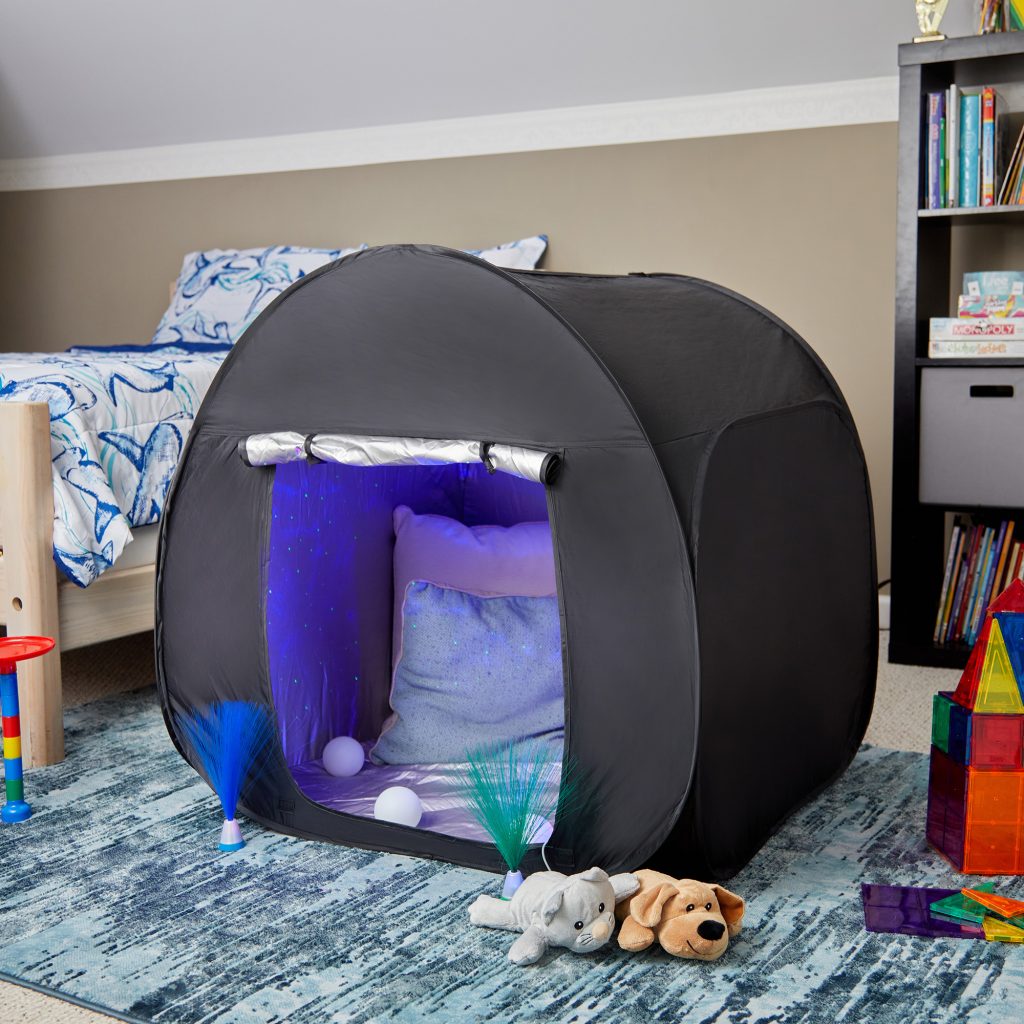
A calming zone might use soft lighting, neutral walls, beanbag seating, acoustic soft furnishings, and a small choice of predictable calming tools. An active regulation zone may include resistance bands, crash cushions, stepping paths, or wall-based fine motor and bilateral activities. A retreat zone should feel enclosed, visually simple, and low demand. Clear visual labels and consistent routines help users understand what each area is for.
In educational settings, those planning broader room functions may benefit from specialist guidance on sensory rooms in schools and educational settings, especially where multiple pupils with differing regulation profiles will use the same space.
Control the sensory load
Effective emotional regulation usually depends on adjustable sensory input. Dimmers are more valuable than fixed dramatic lighting. Volume control matters more than simply having speakers. Storage that hides unused equipment prevents visual overload. Where budgets are limited, investment should go first into environmental control: lighting, acoustics, soft flooring, and safe comfortable seating.
Visual simplicity should not be mistaken for blandness. It means that every item has a role. A soft glow lamp, a tactile wall panel, and a rocking seat may do more for regulation than ten competing gadgets. A useful comparison is this: a poor sensory setup entertains the room; an effective sensory setup supports the person.
Step-by-step setup advice for a room that actually works
Creating a sensory room for emotional and behavioral support is most successful when approached as a staged process rather than a shopping list.
Step 1: Identify the room’s primary regulation goal
Choose one main purpose first: calming after overload, movement breaks before learning, de-escalation during emotional distress, or therapeutic sensory exploration. Secondary goals can be added later. Trying to meet every need from day one usually leads to cluttered, inconsistent design.
In a home, the room may mainly serve as a safe place for recovery after school. In a school, it may support transition breaks and co-regulation with staff. In a therapy clinic, it may be used for structured sessions with specific sensory targets. The goal shapes everything from lighting to storage to staffing.
Step 2: Build the base environment
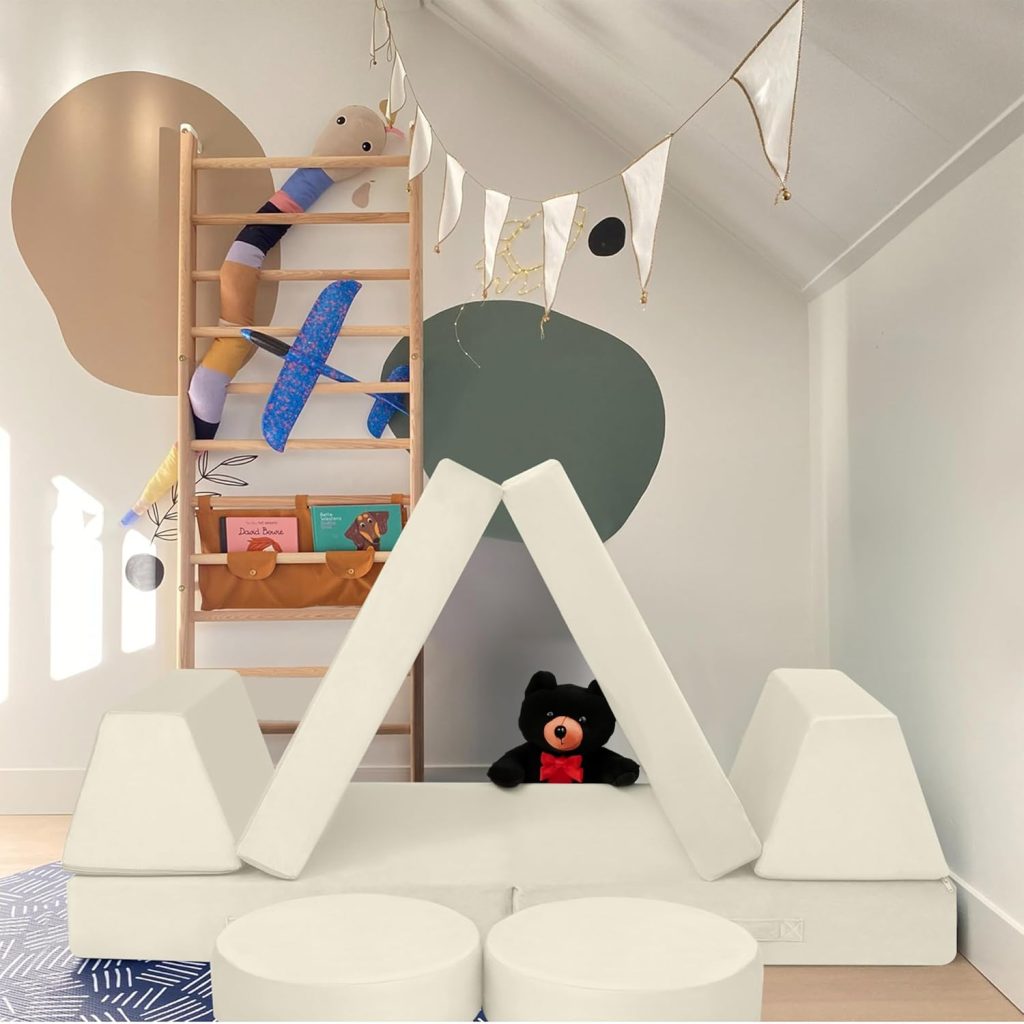
Start with walls, floor, acoustics, and seating before adding accessories. Use muted, low-glare colors where possible. Add rugs, acoustic panels, curtains, or soft furnishings to reduce echo. Include at least one deeply supportive seat such as a beanbag, cocoon chair, or soft corner nest. If the room is for dysregulation recovery, physical comfort and low stimulation come first.
For tactile and fine motor engagement, a wall-based activity can work well because it provides focused input without adding floor clutter. The Wooden Ship Activity Wall Panel is one example of equipment that can support hand use, attention, and calmer focus in younger spaces.
Step 3: Add regulation tools in categories
Select tools across a few key categories: visual calm, tactile input, movement, deep pressure, and auditory control. A good room does not need dozens of items in each category. It needs one or two dependable options that users learn to trust.
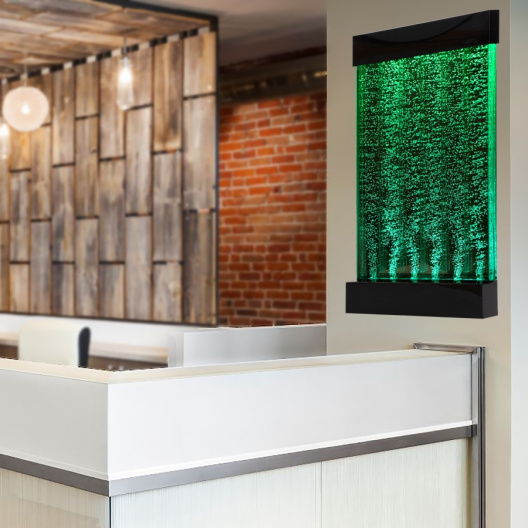
For visual calming, soft projectors or low-level color-changing lighting can help, but choose products with controllable brightness and speed. For tactile support, textured cushions, fabrics, or wall features are often more regulating than messy bins that are hard to maintain. For movement, consider floor markers, rocking seating, or push-pull activities. For deep pressure, lap pads or weighted items may be useful when assessed as appropriate and used safely.
Step 4: Teach the room, do not just open it
The room should be introduced when the person is calm, not only during crisis. Show how to enter, what choices exist, how long to stay, and how to leave. Use visual schedules, first-then boards, timers, or sensory choice cards where needed. This is especially important for autistic individuals who rely on predictability.
When adults co-regulate effectively, the room becomes more powerful. Instead of saying, “Go to the sensory room because you’re upset,” a more supportive script is, “The room is ready. Shall the body use quiet light or heavy work first?” This preserves dignity and encourages self-awareness.
Best equipment choices for emotional and behavioral support
Equipment should always match function. If the goal is de-escalation, choose products that lower sensory load or provide organising input. If the goal is pre-learning readiness, choose short-duration movement and tactile tasks that improve body awareness without overexciting the user.
Soft ambient lighting is often one of the highest-value additions because overhead lighting can be harsh and dysregulating. In some home and therapy spaces, a gentle projector can support visual tracking and quiet focus when used at low intensity. Likewise, comfortable floor seating can make the room feel safe enough for emotional recovery rather than clinical or demanding.
For some users, enclosed or semi-enclosed seating supports a stronger sense of safety. Tactile throws, soft body-length cushions, and pressure-based items may help with settling when carefully monitored. For younger children who regulate through hands-on exploration, the Wooden Ship Activity Wall Panel can provide structured engagement that helps redirect frustration into purposeful action.
Professionals planning complex multisensory spaces may also find it helpful to review broader design principles through specialist sensory room planning guidance before adding high-stimulation features that are harder to control once installed.
Common mistakes that reduce the room’s effectiveness
The most frequent mistake is assuming more stimulation equals better sensory support. It does not. Flashing lights, multiple sounds, bright wall art, and too much equipment can increase anxiety, especially for autistic users and those prone to sensory overload. Rooms built mainly to look impressive in photographs often perform poorly in real use.
Another common error is using the room only reactively. If a child enters the room only after they are already screaming, hitting, or fully shut down, staff or caregivers miss the chance to use it proactively. The room should be part of daily regulation routines, not just crisis management. Short planned visits before predictable pressure points often prevent escalation altogether.
Safety oversights also matter. Weighted items must be appropriate for the individual and never used without guidance. Swinging or climbing equipment needs professional installation and risk assessment. Loose cabling, fragile lamps, and difficult-to-clean textures are all practical problems that quickly undermine a room’s usefulness.
A further mistake is failing to review outcomes. If one child always leaves more agitated, the room is telling the adults something. Perhaps the lighting is too bright, the choices are too many, the timing is wrong, or the current setup does not match that child’s profile. Strong sensory provision always evolves based on observed response.
How use differs at home, in schools, and in therapy settings
At home, emotional and behavioral support often depends on ease of access and family routines. Parents usually need a room that can be used quickly after school, before bedtime, or during transition stress. Storage is essential because home spaces may need to feel domestic, not clinical. A successful home room often includes calming light, soft seating, and a small basket of known regulation tools rather than full-scale specialist equipment.
In schools, staff consistency becomes the deciding factor. The room should have clear entry criteria, simple visual guidance, and a short menu of regulation choices. If one assistant uses it as a calm coaching space while another treats it as time-out, pupils receive mixed messages and outcomes suffer. School rooms also need durable, easy-clean materials and booking systems where multiple pupils share access.
Therapy settings can be more structured and targeted. Occupational therapists, speech and language therapists, and behavioral professionals may use the room to observe sensory responses, practise co-regulation strategies, or build tolerance gradually. In this context, a sensory room is often less about free choice and more about guided therapeutic use. The same dimmed light and tactile station may be used very differently in a clinic than in a home.
Expert tips for making sensory rooms more effective over time
The most experienced sensory practitioners tend to make small adjustments rather than dramatic overhauls. They monitor which tools are repeatedly chosen, which triggers still cause dysregulation, and which times of day need the most support. From there, they refine the room. If the active corner is rarely used, it may be in the wrong place. If users always hide under cushions, a proper retreat nook may be needed.
Choice should be limited but meaningful. Three calming options are usually better than fifteen. Visual menus can help users identify what the body needs: squeeze, rock, dim light, quiet, music, heavy work, or breathing. This turns the room into a place for learning self-regulation, not just escaping discomfort.
Staff and family language also matters. Terms such as “naughty corner” or “cool off room” can create shame and resistance. Better language frames the room as support: regulation room, calm space, sensory area, or reset space. The emotional message is simple: the person is not the problem; their nervous system needs support.
Where sensory support is part of a wider inclusion strategy, it can be useful to explore targeted environments such as school sensory rooms to ensure design decisions align with classroom realities, staffing, and student need.
Frequently Asked Questions
How do sensory rooms help with behavior?
Sensory rooms help behavior by addressing the sensory and emotional causes behind it. When a person feels calmer, more organised, or less overwhelmed, they are more able to communicate, follow instructions, and recover from stress without escalation.
Are sensory rooms only for autism?
No. Sensory rooms can support people with autism, ADHD, sensory processing disorder, dementia, anxiety, learning disabilities, and trauma-related regulation difficulties. The key is matching the room to the individual’s sensory profile and goals.
What should be in a sensory room for calming?
A calming sensory room usually includes soft lighting, comfortable seating, reduced noise, simple visual design, and a small number of reliable regulation tools. Deep pressure items, tactile textures, and quiet visual features can also help when selected carefully.
Can a sensory room make behavior worse?
Yes, if it is too stimulating, poorly supervised, or mismatched to the user’s needs. Flashing lights, loud sounds, too many choices, or inconsistent routines can increase dysregulation rather than reduce it.
How long should someone spend in a sensory room?
The ideal time varies by person and purpose. Some benefit from a three- to five-minute movement reset, while others may need fifteen to twenty minutes to recover from overload. Observation should guide timing rather than a rigid rule.
What is the difference between a calming room and a sensory room?
A calming room mainly reduces sensory input and supports emotional recovery. A sensory room may include both calming and alerting experiences, depending on the design. Some spaces combine both functions through separate zones.
Do sensory rooms work in small spaces?
Yes. A small room can be highly effective if it is planned around clear regulation goals, controlled lighting, soft acoustics, and a few carefully chosen tools. Good sensory design depends more on function than room size.