Table of contents
Sensory rooms are not only for autism. They are supportive environments designed to help people regulate, engage, calm, focus, or stimulate their senses, and they can benefit individuals with ADHD, sensory processing differences, dementia, anxiety, learning disabilities, and other neurological or developmental conditions too. In professional sensory room design, the most effective spaces are never built around a diagnosis alone; they are built around the person’s sensory profile, daily challenges, and goals.
Years of practical sensory room planning across homes, schools, and therapy settings show the same pattern: a well-designed sensory space can help a child with autism decompress after overload, support a pupil with ADHD to reset attention, offer meaningful calm for a person living with dementia, and provide structured sensory input for someone with sensory processing disorder. The room matters, but the match between the environment and the user matters far more.
Highlights
- Sensory rooms are not exclusive to autism; they can support ADHD, dementia, sensory processing disorder, anxiety, and other needs.
- The best sensory rooms are designed around individual triggers, preferences, and regulation goals rather than diagnosis labels.
- Home, school, and therapy sensory spaces should differ in layout, intensity, and equipment choice.
- Poor setups often overstimulate; effective setups simplify, zone the space, and offer controlled sensory options.
What is a sensory room, and who is it really for?
A sensory room is a structured environment that uses lighting, sound, texture, movement, and calming or alerting tools to support sensory regulation. In simple terms, it is a space designed to either reduce sensory stress or provide safe sensory input, depending on what the user needs in that moment. That definition is broader than autism, which is why the answer to the question is clear: sensory rooms are for many conditions and many types of users.
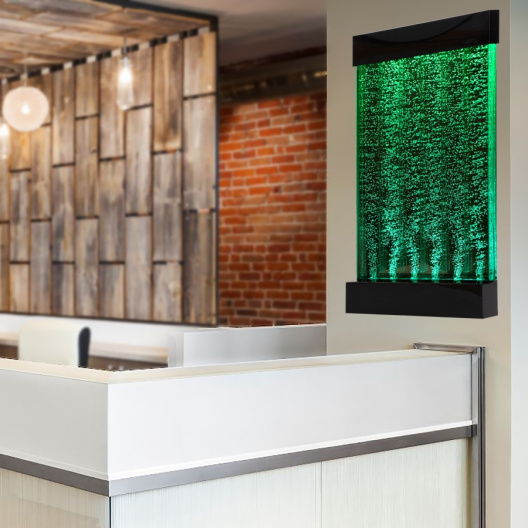
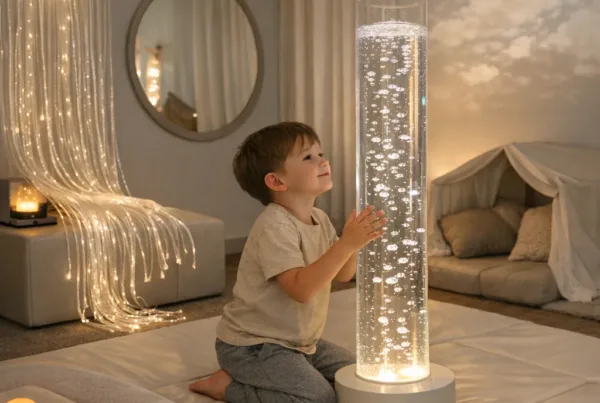
Autism is often the condition most strongly associated with sensory rooms because many autistic children and adults experience sensory hyper-sensitivity, hypo-sensitivity, or fluctuating responses. A dimmed room with soft seating, predictable lighting, and tactile tools can help reduce overload. For some autistic users, visual features such as a Bubble Tube Tank Vortex Tower provide a steady, soothing focal point that supports emotional regulation.
Yet many non-autistic users benefit in similar ways. A child with ADHD may need movement breaks, heavy work, or controlled stimulation to improve attention. An adult with dementia may respond well to familiar textures, gentle colour changes, and reduced environmental noise. A child with trauma-related anxiety may need a secure retreat that lowers arousal before learning can begin. The room is not a label-specific treatment; it is a flexible sensory support tool.
Research also supports the broader relevance of sensory environments. The UK’s National Autistic Society explains that sensory differences are common in autism but vary greatly from person to person, reinforcing the need for individualised environments rather than one-size-fits-all rooms through its guidance on sensory differences. In schools, sensory-friendly adjustments are increasingly recognised as part of inclusive practice, not specialist extras reserved for a single diagnosis.
Conditions that may benefit from a sensory room
Autism and sensory processing disorder
Autistic users and those with sensory processing disorder often benefit from sensory rooms because these spaces can reduce unpredictable input and offer safer, more controllable sensory experiences. A child who shuts down in a noisy classroom may use a sensory area for ten minutes with dim lighting, a tactile object, and soft floor seating, then return more regulated and available for learning.
The key design principle here is predictability. Equipment should not flash unexpectedly, produce sudden sounds, or force interaction. A room that allows gradual choice works better than one packed with bright gadgets. For example, a calm corner with one light source, a body-based pressure option, and two tactile tools is usually more effective than a room containing ten competing visual features.
ADHD and attention regulation
Children with ADHD do not always need a calming room in the traditional sense. Some need a carefully designed space that provides the “right amount” of sensory input, especially movement and proprioceptive feedback, so the nervous system can organise itself. That might include floor space for stretching, push-pull activities, or soft crash-style seating that allows movement without chaos.
In practice, the mistake often made in schools is building a sensory room that is too passive for ADHD users. If every element is designed only for stillness, the room may become frustrating or under-stimulating. A better setup might combine a movement zone, a low-arousal visual area, and a short-timer system so the room supports re-regulation without becoming an escape from every task demand.
Dementia and cognitive decline
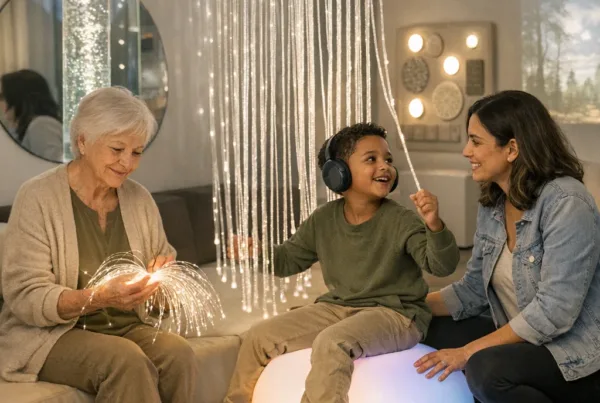
Sensory rooms can be extremely valuable for people living with dementia, though the design language is different from a typical children’s setup. In dementia care, the aim is often reassurance, familiarity, comfort, and connection rather than novelty. Soft lighting, familiar music, textured fabrics, memory prompts, and gentle visual features can reduce agitation and help support emotional wellbeing.
According to Alzheimer’s Society, there are around 900,000 people living with dementia in the UK, a figure that highlights how relevant sensory environments are beyond childhood diagnoses based on national dementia statistics. In care settings, a sensory room may help during sundowning, distress, or transitions, especially when the wider environment is busy or clinically stark.
Anxiety, trauma, and learning disabilities
Some users need sensory rooms because the outside environment feels threatening, unpredictable, or exhausting. For children with anxiety or trauma histories, a small regulation space can offer emotional safety before any therapeutic or educational work begins. The design should avoid confinement while still feeling enclosed enough to reduce vigilance.
For users with learning disabilities, sensory rooms can improve participation, communication, and comfort. A sensory feature may help a non-speaking child show preference, request repetition, or remain engaged for longer. These rooms are often most successful when adults observe carefully and record what each piece of equipment actually does for the user rather than assuming all sensory input is helpful.
Why diagnosis-led design often fails
One of the most common mistakes in sensory room planning is beginning with the question, “What do autistic children need?” or “What equipment is best for ADHD?” and then copying a generic shopping list. Diagnosis can guide awareness, but it does not replace assessment. Two autistic children can have completely opposite sensory needs. One may avoid touch and bright light; another may seek movement, squeeze pressure, and strong visual input.
Effective sensory rooms are profile-led, not label-led. That means identifying whether the user is sensory seeking, sensory avoiding, mixed, or highly variable across the day. It also means understanding function: is the room intended for calming after overload, increasing alertness before learning, supporting therapy goals, or offering meaningful engagement during distress?
A poor setup might include mirrored walls, flashing LEDs, noisy projectors, beanbags, and hanging items all in one small room with no dimmer control. That kind of environment can quickly push a dysregulated child into further overload. An effective setup, by contrast, offers controlled layers: low baseline lighting, hidden cable management, soft acoustics, clear zones, and options that can be switched on one at a time.
For teams planning budgets, starting small often leads to better outcomes. A compact, thoughtful room frequently outperforms an expensive but chaotic one. Cost-conscious planning is covered well in making sensory rooms sustainable and cost-effective, especially for schools and organisations trying to balance impact with long-term maintenance.
How sensory rooms differ by setting
At home
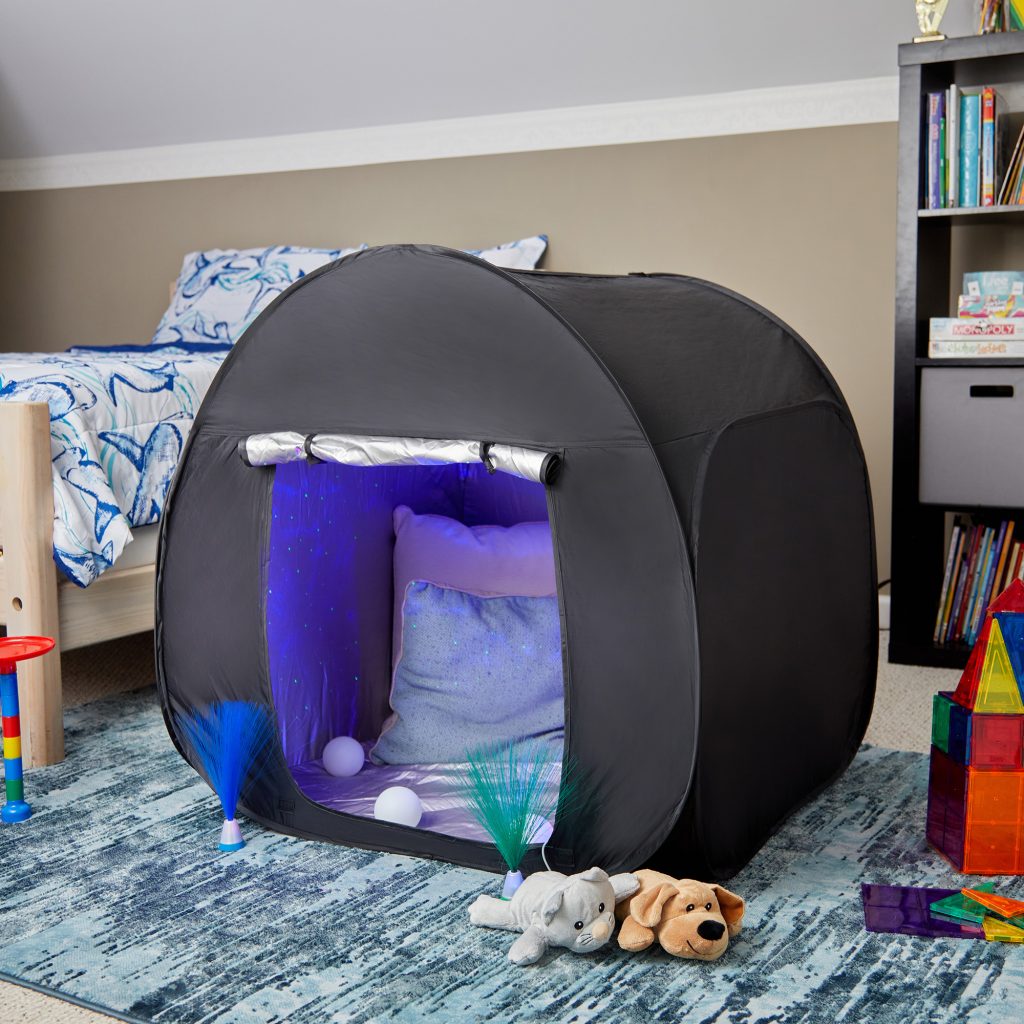
Home sensory rooms work best when they are realistic and easy to use daily. Families do not need a fully converted specialist suite to support sensory regulation. A corner of a bedroom, a section of a playroom, or a pop-up den area can be enough if the space is tailored properly. In many homes, one enclosed retreat space such as a Sensory Tent helps create a predictable calm zone without a full renovation.
Parents often get better results by choosing a few reliable items the child actually uses rather than filling the room with novelty products. A tactile squeeze aid such as Schylling NeeDoh Nice Cube, soft seating, and one calm visual feature may do more than a room full of overstimulating lights.
In schools
School sensory rooms must handle higher traffic, mixed needs, and time-limited visits. They should be durable, easy to supervise, and tied to a clear purpose. Is the room for de-escalation, sensory circuits, intervention sessions, or reward-free regulation breaks? Without that clarity, staff use becomes inconsistent and outcomes become hard to measure.
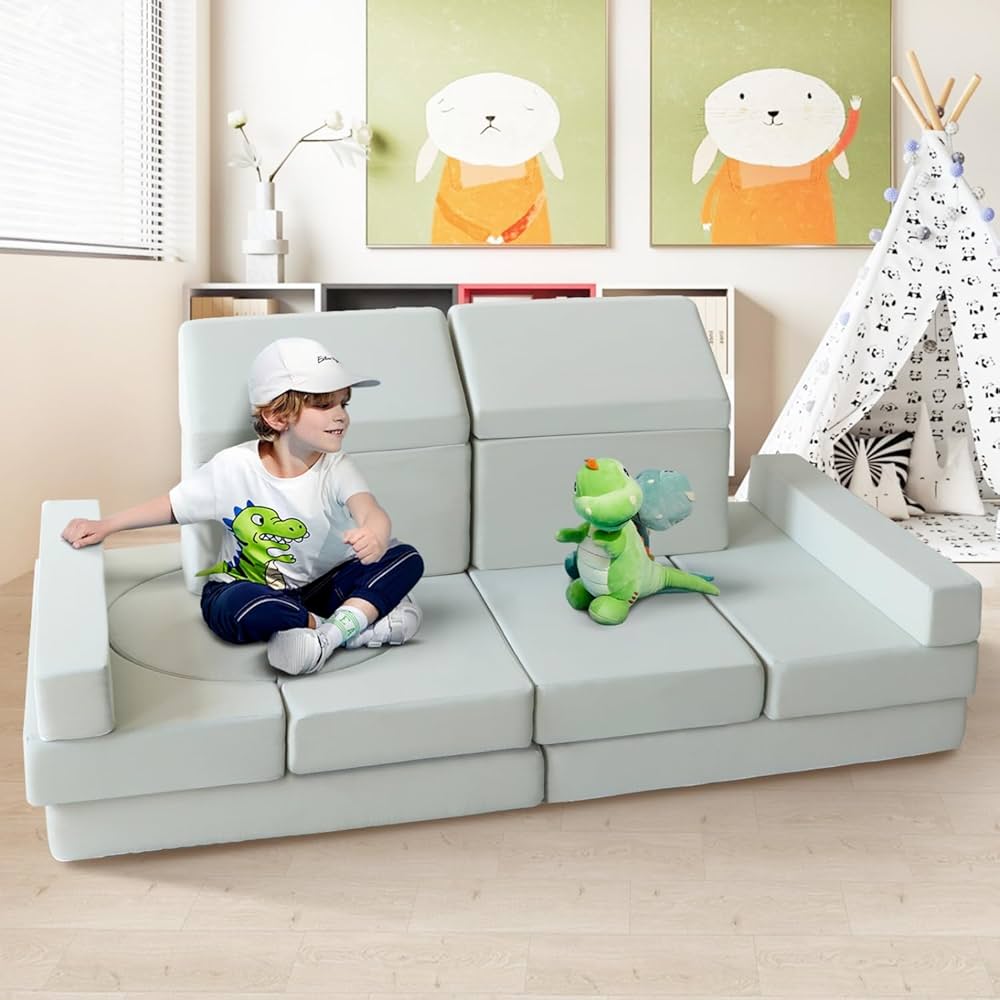
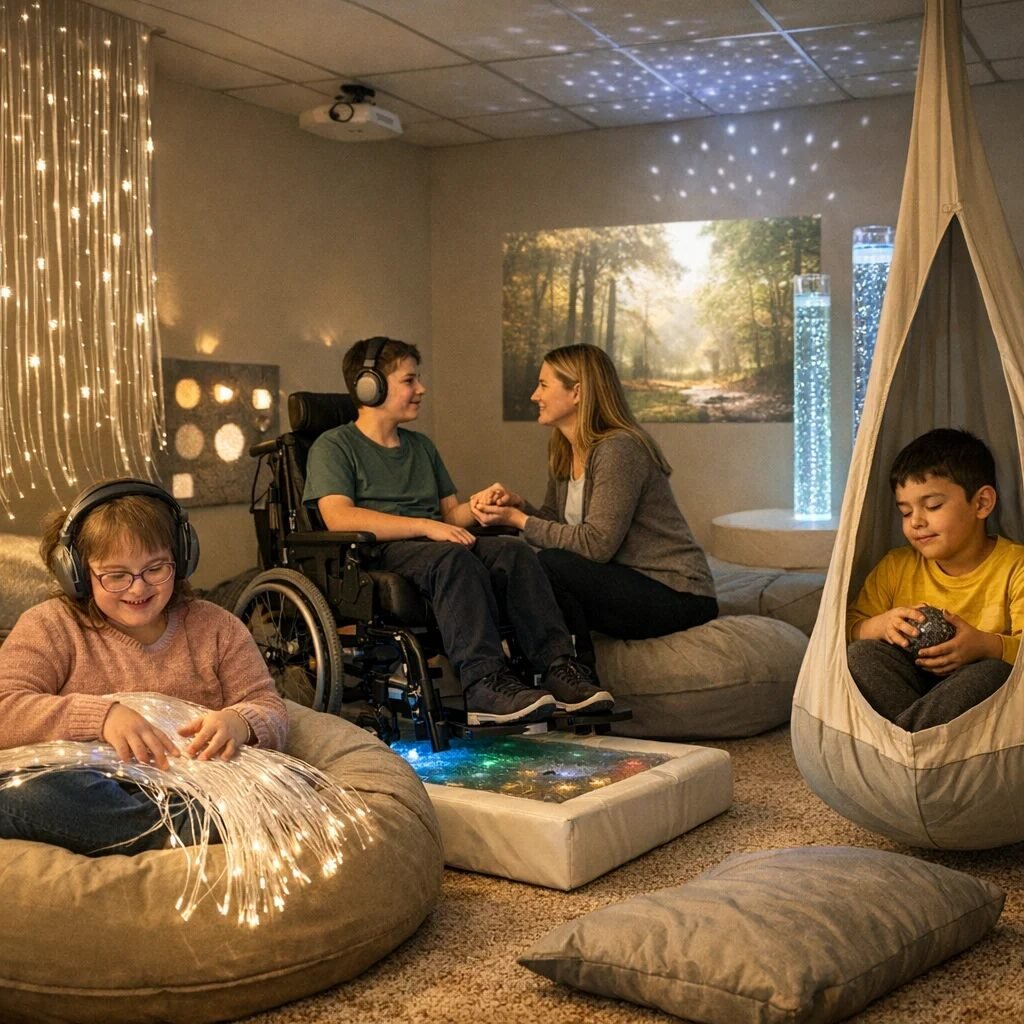
Successful school rooms often include zones rather than themes: a movement zone, tactile table, calming retreat, and visual focus area. Flexible furniture can help teachers adapt the room for different students, and pieces like a Kids Modular Play Sofa can work for seated calming, fort-style enclosure, or body pressure activities depending on placement.
In therapy and clinical spaces
Therapy sensory rooms usually need more intentional structure than domestic spaces. Every piece of equipment should support therapeutic aims, whether that is tolerance of sensory input, bilateral coordination, postural control, communication, or emotional regulation. Clinicians often work best with rooms that are adjustable instead of permanently “switched on.”
In these settings, observation matters more than aesthetics. A beautiful room that cannot be graded up or down is less useful than a plain room with controlled lighting, movable resources, and safe floor space. Visual tools such as a Galaxy Projector can be useful when introduced purposefully, but not when used as constant background stimulation.
Step-by-step: how to decide whether a sensory room is right for a person
The first step is to identify the problem the room is meant to solve. Is the person becoming overwhelmed in noisy environments? Struggling to focus? Seeking movement constantly? Becoming agitated in the late afternoon? A sensory room is far more effective when attached to a real observable need.
The second step is to track patterns for one to two weeks. Adults should record triggers, behaviours, duration, and what helps. For example, if a child regularly covers ears after lunch and bolts from class, the room may need to prioritise auditory reduction and calming input at that time of day. If another child becomes sluggish and unfocused mid-morning, the room may need movement-based input instead.
The third step is to create a basic sensory profile. This should include preferred textures, light tolerance, sound sensitivity, movement seeking or avoidance, and what the person finds calming versus irritating. Without this stage, the room can end up full of equipment somebody actively dislikes.
The fourth step is to trial a small setup before investing heavily. Use one calm lighting source, one seating option, one tactile item, and one movement or pressure tool where appropriate. Then observe: does the person regulate faster, stay engaged longer, or transition more smoothly afterwards? If yes, expand carefully. If not, redesign rather than add more stimulation.
Common mistakes when creating sensory rooms for different conditions
The biggest mistake is assuming more equipment means more support. It often means more clutter, more visual noise, and more confusion. A room for autism that contains flashing rope lights, loud music, hanging mirrors, and bright coloured walls may look impressive to adults but feel unbearable to the intended user.
Another mistake is designing for the condition instead of the person. A dementia room filled with childlike sensory toys can feel patronising rather than comforting. An ADHD room with no movement opportunities can become ineffective almost immediately. A trauma-informed space with no clear exit line or no privacy boundaries can increase distress instead of reducing it.
Safety and maintenance are also overlooked too often. Bubble features need stable placement and regular checking. Soft furnishings need washable covers. Light controls should be reachable by staff but not easy to misuse. Cables should never be accessible in a room that may be used during distress or dysregulation.
Finally, many rooms fail because adults do not agree on how to use them. If one teacher uses the room as a reward, another as a sanction, and a therapist as a regulation tool, the user receives mixed messages. Every sensory room should have simple written guidance: who it is for, when it is used, duration, supervision, and expected outcomes.
Expert design tips for a sensory room that works across conditions
Start with the environment before the equipment. Wall colour, acoustics, temperature, and visual clutter affect regulation just as much as specialist products. A quiet neutral room with dimmable light often performs better than a brightly decorated room full of sensory gadgets.
Use sensory zoning. A low-arousal zone should feel visually quiet and physically contained. A tactile zone should offer a limited number of varied textures rather than overflowing baskets. A movement zone should be open, padded where necessary, and separated from the calm area so active users do not disrupt those seeking quiet.
Choose adjustable, not fixed-intensity, features. Slow colour-changing lights are usually safer than flashing sequences. Portable tactile tools are more adaptable than wall-to-wall installations. This is especially important in mixed-use environments such as schools and family homes, where one person’s calming feature can be another person’s trigger.
Review the room after real use, not just after installation. The best designers revisit questions such as: Which items are actually used? Which are avoided? What happens before and after room use? Does the room shorten recovery time or simply delay distress? This practical review stage is where the most successful sensory spaces separate themselves from decorative ones.
Frequently Asked Questions
Are sensory rooms only for children with autism?
No. Sensory rooms can also support children and adults with ADHD, sensory processing disorder, dementia, anxiety, learning disabilities, and other regulation needs. The room should be matched to the individual, not reserved for one diagnosis.
Can a person without a diagnosis benefit from a sensory room?
Yes. Some people have clear sensory regulation needs without a formal diagnosis. If a sensory space helps them calm, focus, or cope with overwhelming environments, it can still be useful and appropriate.
What conditions benefit most from sensory rooms?
Autism, sensory processing disorder, ADHD, dementia, and anxiety are among the most common. The strongest benefit appears when the room is designed for the person’s specific sensory preferences and challenges rather than the condition name alone.
What is the difference between a calming room and a sensory room?
A calming room usually focuses on reducing stimulation and supporting emotional regulation. A sensory room is broader and may be designed either to calm or to provide structured sensory input, including movement, tactile exploration, or visual engagement.
How can a school sensory room support pupils with ADHD?
It can provide movement breaks, body-based sensory input, and short regulation routines that improve readiness to learn. The most effective school setups include clear time limits, purposeful activities, and spaces for both movement and calm.
Are sensory rooms helpful for dementia care?
Yes, when designed appropriately. Gentle sensory environments can reduce agitation, support comfort, and encourage positive engagement, especially when they use familiar sounds, textures, and non-threatening lighting.
What should be avoided in a multi-use sensory room?
Overstimulating lighting, too many competing features, poor supervision lines, and diagnosis-based assumptions should all be avoided. Multi-use rooms work best when they offer adjustable input, clear zones, and simple, consistent staff guidance.
Sensory rooms are not only for autism; they are for people whose nervous systems benefit from better-designed environments. Whether the setting is a family home, a mainstream classroom, a therapy clinic, or a dementia care unit, the principle stays the same: the most effective sensory room is the one that understands the user, respects their sensory profile, and supports real-life regulation in a safe, practical way.