
Creating Sensory Areas in Classrooms: A Guide to Supporting Students
Table of contents
In today’s classrooms, creating sensory areas is more than a trend; it’s a necessity.
These spaces offer tailored support for students with diverse needs, helping them feel calm, focused, and ready to learn. From reducing anxiety to fostering inclusion, sensory areas have proven to be transformative. But how do you set up a sensory area in the classroom effectively? Let’s explore this step by step.

Image by ODOXIA
Understanding sensory areas in classrooms
What is a sensory area in a classroom?
A sensory area is a designated space within a classroom that provides tools and stimuli to help students regulate their sensory input. These areas are designed to meet the unique sensory needs of students, whether it’s calming overstimulation or energising understimulated senses. Sensory areas in classrooms can range from a small corner to an entire room equipped with specialised tools.
For further reading, explore our “What is a sensory room?” guide.
The eight senses and their impact on learning
While most people think of five senses, educators must consider all eight:
- Visual (sight): managing bright or dim lighting.
- Auditory (hearing): minimising noise to prevent overstimulation.
- Tactile (touch): providing different textures for exploration.
- Olfactory (smell): avoiding overpowering odours.
- Gustatory (taste): though less common in classrooms, taste can be considered for sensory breaks.
- Vestibular (balance): supporting movement with rocking chairs or swings.
- Proprioceptive (body awareness): incorporating weighted items for calming pressure.
- Interoceptive (internal senses): helping students understand their internal body signals like hunger or tiredness.
Understanding these senses is crucial when designing sensory areas to meet varied classroom challenges.
For many students, sensory processing can significantly impact their ability to engage in learning. Overstimulation might lead to anxiety, while understimulation may cause distraction. Tailoring sensory areas while keeping the different senses in mind to address these challenges ensures every student has the opportunity to thrive.
The role of sensory areas in classrooms
Enhancing learning and inclusion
Sensory areas in classrooms are more than just practical tools; they represent a shift toward inclusivity. By acknowledging that each student processes the world differently, educators can create environments that promote acceptance and understanding.
How sensory areas in classrooms help students at different educational levels
| Educational level | How sensory areas help |
|---|---|
| Preschool and early years | Introduces sensory tools for exploration and helps develop sensory processing skills. |
| Elementary school | Provides breaks for overstimulated students and helps improve focus during lessons. |
| Middle and high school | Offers a calming space to manage stress and supports self-regulation in older students. |
| Special education | Tailors sensory inputs to meet individual needs, enhancing comfort and engagement. |
Supporting students with sensory differences
Students with sensory processing differences often face unique challenges. Sensory areas provide a haven where they can regulate their senses, build confidence, and participate more fully in classroom activities.
Benefits of sensory areas in classrooms
The benefits of sensory areas for students and teachers
For students, these spaces foster self-regulation and emotional balance. Teachers benefit too, as sensory areas reduce disruptions and create a more harmonious classroom environment. Schools that invest in sensory areas demonstrate a commitment to inclusivity and innovation.
How sensory equipment improves focus and comfort for students
Tools like weighted blankets, fidget toys, and bubble tubes aren’t just accessories. They serve specific purposes: calming anxiety, engaging attention, and helping students feel grounded. These tools can transform a chaotic day into a productive one.
Be sure to check out our curated collection of recommended sensory room equipment.
Why sensory areas are crucial in modern classrooms
As classrooms become more diverse, the need for sensory support grows. Sensory areas ensure that no student feels left out, creating spaces where everyone can thrive.
For further reading, explore our guide on the benefits of sensory rooms.
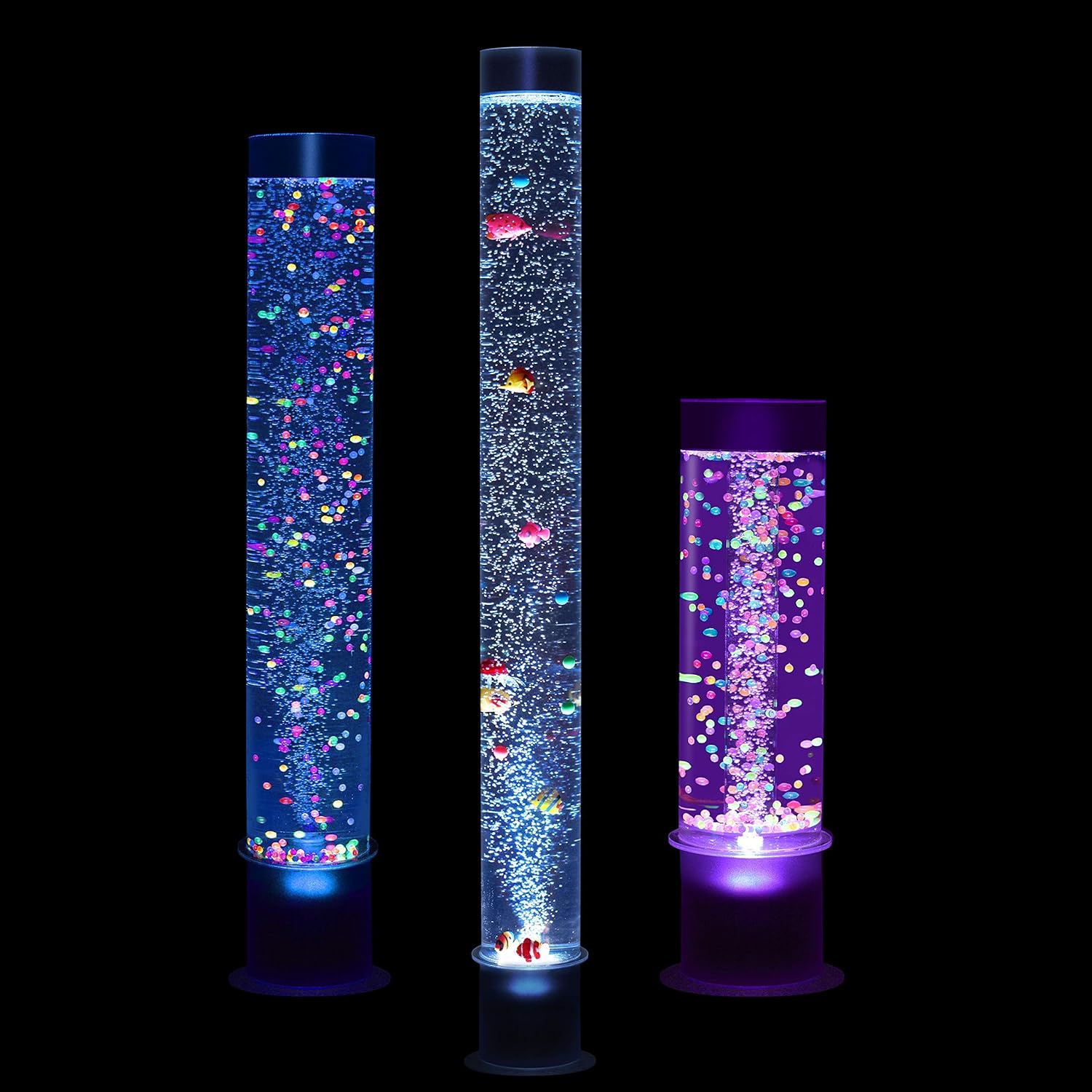
Image by Playlearn
Designing and implementing sensory areas
How to set up a sensory area in the classroom
Creating an effective sensory area doesn’t have to be overwhelming. Start small and build based on your students’ needs.
Creating a sensory corner in a classroom
- Choose the right location: pick a quiet corner with minimal distractions.
- Define boundaries: use rugs or furniture to delineate the space clearly.
- Add essential tools: include items like sensory mats, fidget toys, or soft seating.
Common components of a sensory area
- Visual tools: bubble tubes, fibre optic lights.
- Tactile items: sandpaper boards, textured cushions.
- Auditory aids: white noise machines, noise-cancelling headphones.
- Proprioceptive tools: weighted blankets, rocking chairs.
Consider a sensory room
While sensory corners are effective, full sensory rooms take support to another level. These rooms can include:
- Bubble tubes: for calming visual stimulation.
- Projectors: to create immersive environments.
- Swings: supporting vestibular input.
If budget is a concern, start small. A few well-chosen items in a quiet, calm, and dedicated room can make a big difference.
Tips for implementing sensory areas in classrooms
Train your staff
Staff training is critical to the success of sensory areas in classrooms. Teachers and support staff need to understand the purpose of these spaces, the tools within them, and how they can be used effectively. Conduct workshops or professional development sessions to familiarise educators with sensory tools such as weighted blankets, noise-cancelling headphones, and tactile boards. Equipping staff with this knowledge ensures they can guide students in using the sensory area appropriately and maximise its benefits.
Involve students
Students are the ultimate users of sensory areas, so their input is invaluable. Create opportunities for them to share what tools and setups work best for their needs. For example, you could use surveys or informal feedback sessions to gather insights. Engaging students in the design and evolution of the sensory area not only ensures it meets their requirements but also fosters a sense of ownership and respect for the space. This collaborative approach can lead to better utilisation and effectiveness.
Regularly assess
A sensory area is not a static installation; it should evolve to meet the changing needs of the classroom. Regularly evaluate its effectiveness by observing how students use the space and collecting feedback from both students and teachers. Assess whether certain tools are being underutilised or if additional resources are needed. Periodic reviews allow you to update the area, ensuring it remains a dynamic and impactful part of the classroom environment.
Other innovative approaches to sensory areas to consider
Augmented reality (AR) and sensory rooms
Technology is revolutionising sensory spaces. Augmented reality tools can create customisable environments that cater to specific sensory needs.
Immersive environments for enhanced learning
Immersive sensory rooms use lights, sounds, and interactive technology to engage students in new ways. These setups are particularly effective for students with significant sensory processing challenges.
Using artificial intelligence (AI) to enhance effectiveness
AI-powered sensory tools can adapt in real-time, offering tailored support based on students’ immediate responses. These innovations represent the future of sensory areas in classrooms.
FAQs about sensory areas in classrooms
What is a sensory area in a classroom?
A sensory area is a designated space designed to help students regulate their sensory input. It may include tools such as fidget toys, weighted blankets, or noise-cancelling headphones. These areas provide a quiet and calming environment, enabling students to manage overstimulation or refocus during the school day. Sensory areas are beneficial for students with sensory processing disorders, autism, ADHD, or anxiety, but they can also help any student who needs a break from the busy classroom environment.
How can I create a sensory corner in my classroom?
Creating a sensory corner starts with identifying a quiet and less-trafficked area of your classroom. Define the boundaries using furniture or rugs, and stock it with versatile sensory tools such as stress balls, noise-cancelling headphones, or soft cushions. Consider the lighting; softer, adjustable lighting often works best. Start small and expand based on your students’ needs. Don’t forget to introduce the area to your students, explain its purpose, and set clear expectations for its use.
What are the benefits of a sensory room classroom?
Sensory rooms take the idea of sensory corners to a larger scale. They provide an immersive environment with tools like bubble tubes, projectors, and tactile walls to address various sensory needs. The benefits include improved focus, reduced anxiety, and better emotional regulation for students. Sensory rooms are particularly effective for students with higher sensory needs, as they offer a safe space for self-regulation and exploration, helping them reintegrate into the classroom setting more effectively.
How can sensory equipment improve focus and comfort for students?
Sensory equipment, such as weighted lap pads, tactile objects, and white noise machines, helps students by addressing specific sensory needs. For instance, weighted items provide calming deep pressure input, while tactile objects engage the sense of touch to ground students in the present moment. These tools create an environment where students can focus better, feel more comfortable, and reduce feelings of anxiety or overwhelm. Properly chosen sensory equipment can turn a challenging day into a productive one.
What’s the difference between sensory equipment and sensory-friendly classroom ideas?
Sensory equipment refers to physical tools like fidget toys, bean bags, or sensory mats that address sensory needs directly. In contrast, sensory-friendly classroom ideas involve adjusting the overall environment to support sensory needs. This could include using soft lighting, reducing noise levels, or creating clear routines to minimise predictability. Both approaches complement each other, with sensory equipment offering direct support and sensory-friendly strategies ensuring a supportive overall atmosphere.
Conclusion
Transforming your classroom with sensory-friendly solutions is a step toward inclusivity and innovation. With the right tools and strategies, every student can feel supported and ready to learn. Start small, dream big, and watch the positive impact unfold!

