Table of contents
Technology can enhance sensory experiences by giving carers, teachers, and therapists more precise control over light, sound, movement, touch, and interaction. When used thoughtfully, the right technology can help regulate arousal levels, increase engagement, support communication, and make sensory rooms more responsive to the needs of autistic children, people with ADHD, individuals with sensory processing differences, and adults with dementia.
Well-designed sensory environments are rarely built around gadgets alone. Professional sensory room design focuses on matching technology to a person’s sensory profile, goals, and environment, whether that is a calm corner at home, a school regulation room, or a therapy suite used across multiple age groups. The strongest results come from combining evidence-informed choices with practical observation: what helps one person settle may overwhelm another, and technology works best when it is adjustable, purposeful, and easy for staff or family members to use consistently.
Highlights
- Technology can improve sensory experiences by making environments more adaptable, predictable, and engaging.
- Adjustable lighting, interactive projection, sound control, and calming tactile tools can support regulation, attention, and communication.
- The best setups are tailored to individual sensory needs, rather than filled with too many devices.
- Thoughtful placement, simple controls, and gradual introduction prevent overstimulation and improve outcomes.
What does technology mean in a sensory room?
In a sensory room context, technology means any electronic or digitally controlled equipment used to shape sensory input. That includes colour-changing lighting, projectors, sound systems, bubble tubes, switch-adapted toys, interactive panels, vibration devices, and even tablets used for visual schedules or cause-and-effect activities. The purpose is not simply entertainment. The purpose is to create predictable, controllable sensory experiences that can either calm, alert, motivate, or support interaction.
This distinction matters. A room filled with bright gadgets is not automatically therapeutic. Effective sensory technology is selected because it solves a real need: reducing visual clutter, offering a safe form of stimulation, creating structure during transitions, or giving a user control over their environment. For autistic users, that control can be especially valuable, as predictability often reduces stress. For pupils with ADHD, the same technology may be used differently, perhaps to channel movement and attention into short, purposeful sensory breaks.
Professionals often compare effective sensory technology with general entertainment technology. A standard projector showing random videos may be distracting and overstimulating. An interactive projector set to slow-moving, high-contrast visuals that respond to hand or foot movement can support body awareness, turn-taking, and motivation. The hardware may look similar, but the outcome depends entirely on how it is programmed and used.
How technology enhances sensory experiences across different senses
Visual regulation and engagement
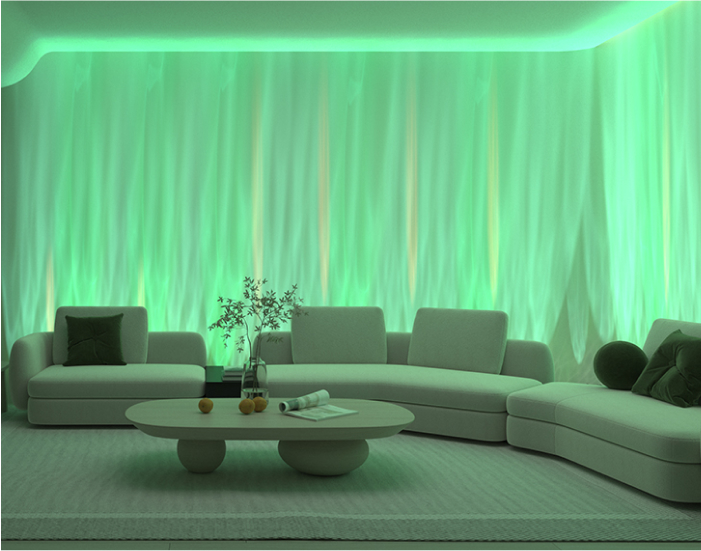
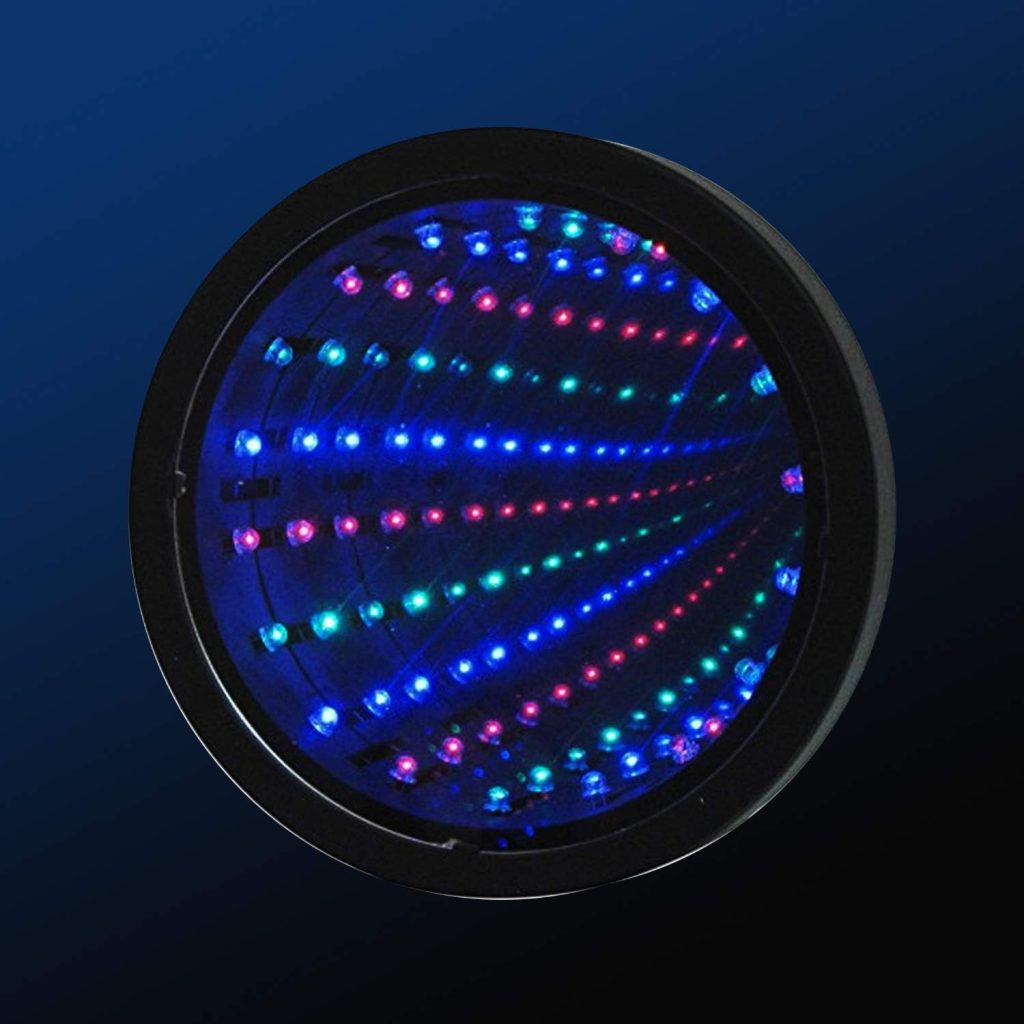
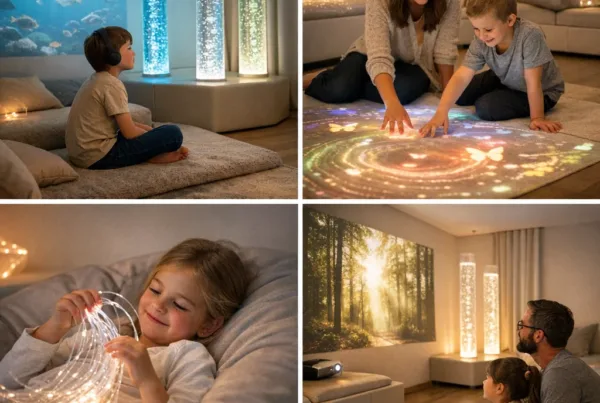
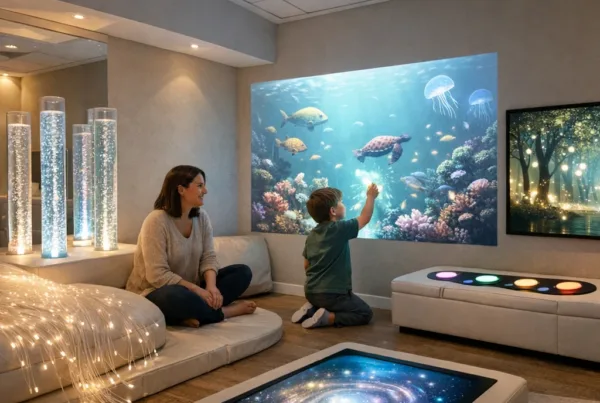
Lighting is usually the first area where technology makes a noticeable difference. Dimmable LEDs, fibre optics, soft colour wash lighting, and bubble tubes allow users to experience visual input at a controlled intensity. A person who finds ceiling fluorescents harsh and distressing may regulate far better in a room with indirect coloured lighting and slow transitions between shades. Technology makes that level of control possible in seconds.
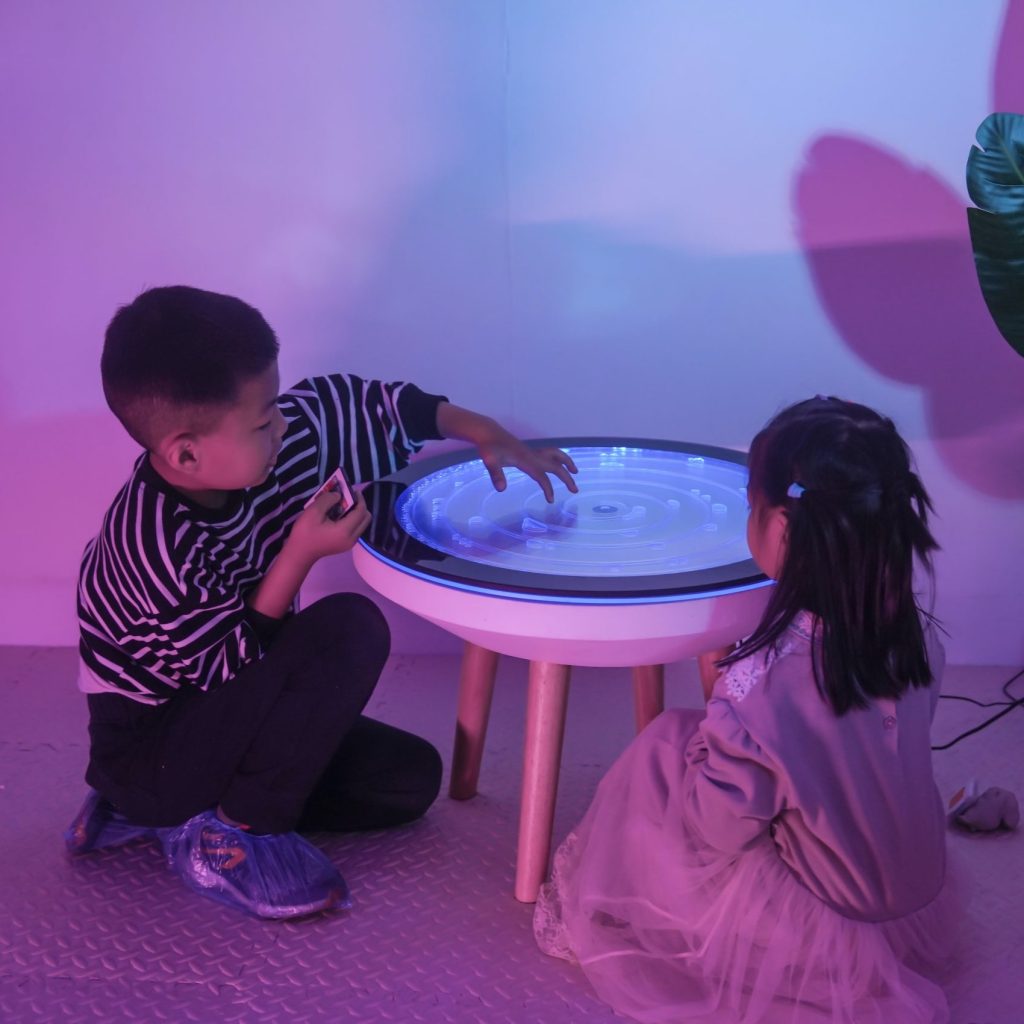
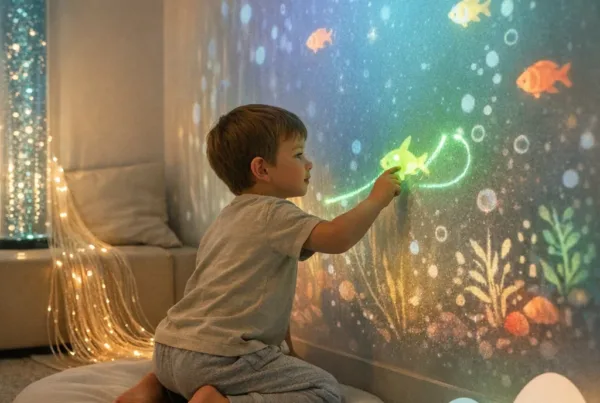
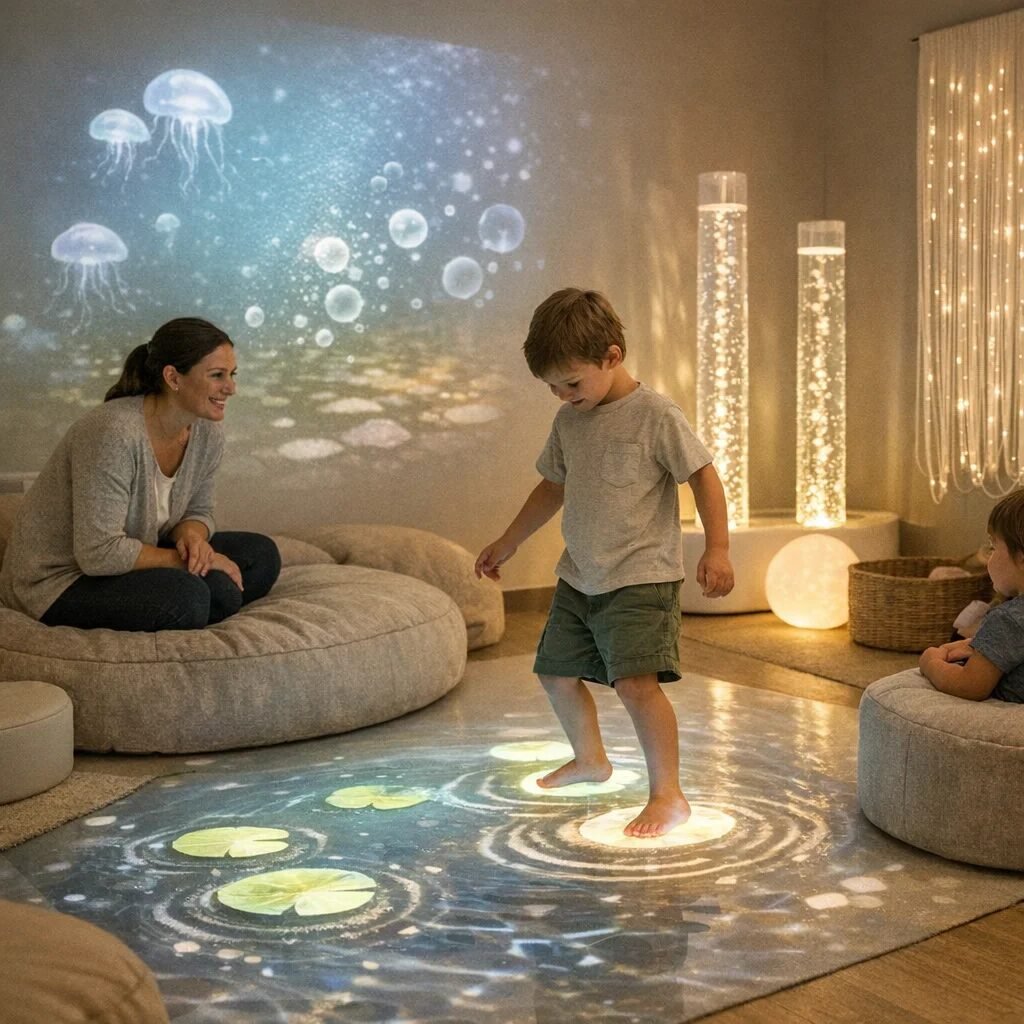
Visual technology can also improve engagement. Interactive wall panels and projection systems encourage cause-and-effect learning, shared attention, and movement. In practice, this works well in schools where pupils may struggle to join group activities. A floor projection with slowly moving fish or leaves can motivate hesitant learners to step, point, track, and communicate. For users with dementia, familiar visual scenes and gentle light cues may support orientation and reduce agitation in a care setting.
One common mistake is choosing lighting based on appearance rather than sensory impact. Fast colour changes, intense flashing effects, and highly saturated lighting may look impressive during setup but can cause discomfort, headaches, or overload. A more effective approach is to use programmable systems with low brightness settings and a limited number of preferred colours. In many spaces, a simple set of sensory LED lights is more useful than a complex but poorly controlled lighting rig.
Sound, music, and auditory control
Sound technology can transform a sensory space when it is chosen carefully. Bluetooth speakers, calming sound machines, and interactive music systems allow staff or parents to match auditory input to a person’s current state. Slow instrumental music, nature sounds, or low-frequency rhythmic patterns may support relaxation, while structured upbeat tracks can energise movement sessions or attention-building activities.
Auditory technology is especially helpful when sound sensitivity is part of the sensory profile. Instead of relying on unpredictable background noise from corridors, classrooms, or household activity, practitioners can use controlled soundscapes. A child who becomes distressed by sudden noise may settle more effectively with consistent low-level audio and a clearly defined listening zone. In therapy settings, sound can also be paired with visual routines to support transitions and reduce resistance.
Poor setups tend to make the same error: the volume is too high, or multiple sounds compete at once. A bubble tube humming, music playing, and an interactive toy talking over the top can create cognitive fatigue quickly. Technology should simplify the sensory environment, not clutter it. A reliable white noise machine or a well-positioned speaker system often does more good than several noisy devices used together.
Tactile and proprioceptive support
Technology is often associated with screens and lighting, but it also supports deep pressure, vibration, and body awareness. Vibrating cushions, compression seating, sensory mats with responsive features, and weighted products can offer grounding input for users who need more proprioceptive feedback. These tools are particularly useful for people who seek pressure or movement to help themselves feel organised.
For home environments, this does not need to be elaborate. A calming chair, a foot massager with adjustable intensity, or a weighted blanket used as part of a wind-down routine may significantly improve comfort and regulation. In schools, vibration or pressure-based tools should be introduced with observation and clear timing, rather than offered constantly. The goal is to support regulation, not create dependency on one form of stimulation.
Matching technology to sensory needs
Autism and sensory predictability
Many autistic individuals benefit from sensory environments that are predictable, controllable, and free from unnecessary input. Technology helps by creating repeatable routines. The same colour sequence, music track, or projector scene can be used during transitions, recovery after overload, or focused interaction sessions. This consistency helps reduce uncertainty and allows the user to understand what the space is for.
Control is just as valuable as consistency. Switch-adapted equipment, simple remote controls, and app-based systems allow users to trigger effects themselves. That control can support communication and reduce frustration. A child who cannot easily express a need verbally may still activate preferred lights or music, making the room feel less imposed and more collaborative. This is one reason many planners focus on promoting sensory exploration in sensory rooms rather than simply filling a room with passive equipment.
ADHD and purposeful stimulation
For individuals with ADHD, the most effective sensory technology usually provides structured stimulation rather than constant calm. Movement-responsive projection, rhythm-based audio, timers, and body-based interactive tools can support attention, transitions, and self-regulation. A five-minute sensory circuit before class, using visual prompts and active floor projection, can be more effective than expecting a pupil to sit still immediately after a noisy breaktime.
The mistake to avoid is assuming every sensory room should be quiet and soothing. Some users need alerting input before they can participate successfully. Technology can provide that input in a controlled way. The key is to clearly separate calm zones from active zones, so regulating energy does not become chaotic.
Dementia and gentle orientation
Technology in dementia-friendly sensory spaces should be simple, familiar, and non-threatening. Soft lighting, projected nature scenes, reminiscence audio, and tactile illuminated objects can support relaxation and recognition. According to the NHS, dementia can affect perception, memory, and orientation, making environmental design especially significant for wellbeing and distress reduction NHS dementia guidance.
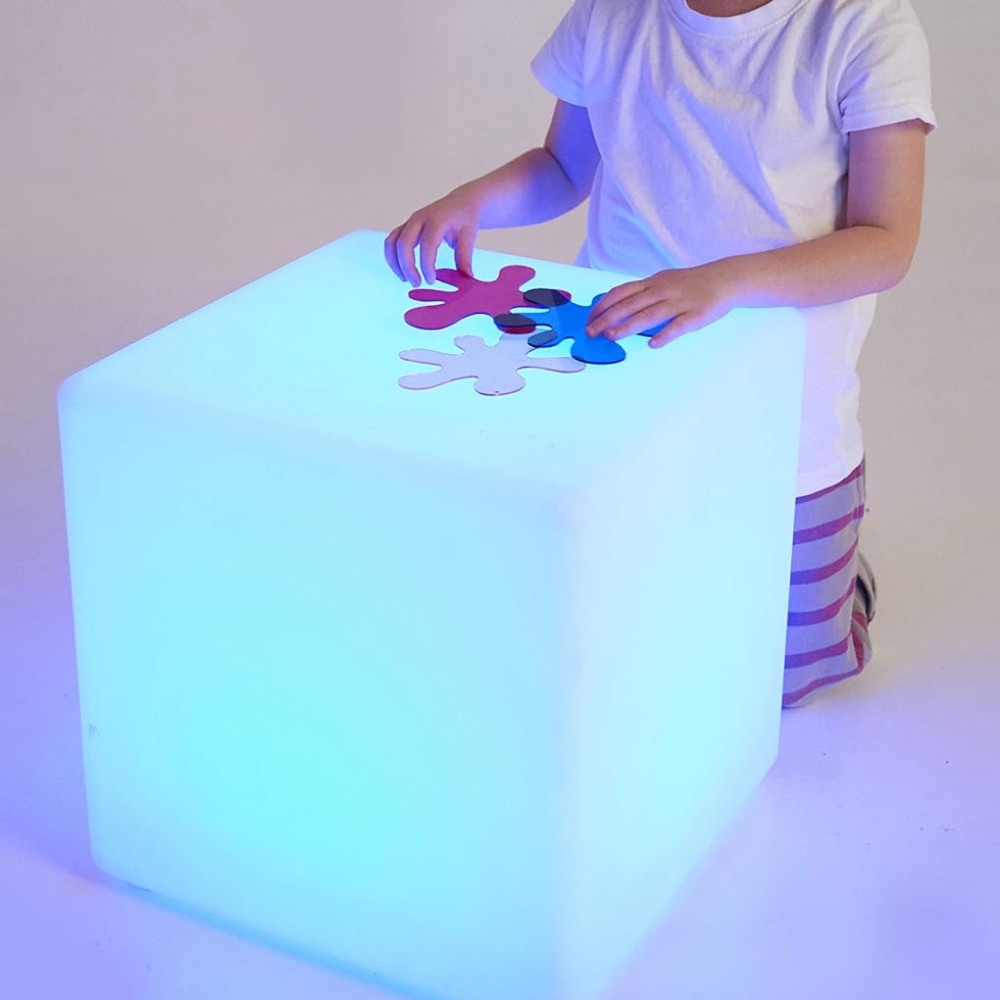
In these settings, less is usually more. Fast interactive games or complex controls often create confusion. A gentle star projector, warm table lighting, and familiar music from the person’s young adulthood are often more successful than newer, highly stimulating systems. Products such as a star projector night light can work well if brightness and motion speed can be reduced.
Step-by-step: how to use technology effectively in a sensory space
Technology works best when introduced methodically rather than all at once. This reduces sensory overload and makes it easier to observe what is helping. A step-by-step approach also prevents overspending on equipment that looks impressive but does not meet actual needs.
1. Identify the goal before choosing the device
Each piece of technology should answer a specific question. Is the goal to calm after overload, improve focus before learning, encourage interaction, support movement, or help with sleep routines at home? A bubble tube may be excellent for visual focus and calming, but it will not solve every regulation challenge. Starting with the outcome prevents expensive but unfocused purchases.
2. Map the user’s sensory profile
Observe whether the person seeks or avoids sound, light, touch, and movement. Some autistic children avoid bright light but seek deep pressure. Some pupils with ADHD seek movement but become distracted by layered audio. A brief observation record over one or two weeks often reveals more than assumptions. For broader room planning, resources on sensory room ideas can help translate needs into suitable zones and equipment choices.
3. Start with one sensory channel
Begin with one form of technology, such as lighting or sound, and trial it under predictable conditions. This makes it easier to judge tolerance and benefit. For example, dimmable light may be introduced during reading time or after lunch each day for one week, with notes on behaviour, communication, and settling time.
4. Keep controls simple and consistent
Use clear labels, limited presets, and staff guidance sheets. Rooms often fail because the equipment is too complicated for busy adults to use properly. A single remote with “calm,” “focus,” and “interactive” presets is more valuable than a system with dozens of unlabeled options no one remembers.
5. Review and adjust regularly
Sensory needs can change over time, with age, health, stress, or setting. What works in a therapy session may not work in a busy classroom. Reassess regularly and remove anything that is consistently ignored, avoided, or overstimulating.
Common mistakes when using technology in sensory rooms
The most common mistake is overloading the room. Too many lights, too many sounds, and too many interaction points can turn a regulation space into a source of stress. Research from Autistica suggests that sensory differences are very common in autistic people, making careful environmental design essential rather than optional Autistica on sensory differences. If a room feels relentlessly busy, the technology is not enhancing sensory experience; it is competing for attention.
Another frequent issue is poor placement. Bubble tubes positioned near exits can block movement and increase anxiety. Projectors aimed at reflective surfaces may create glare. Speakers mounted too close to seating can make even gentle sounds feel intrusive. Technology should support the natural flow of the room, with clear visibility, predictable pathways, and quiet retreat areas.
There is also a tendency to buy for novelty rather than durability. In school and therapy settings especially, equipment needs to withstand repeated use, frequent cleaning, and different support staff. A robust sensory bubble tube or commercial-grade interactive panel usually offers better long-term value than cheaper products that fail after a few months.
Technology in home, school, and therapy environments
At home
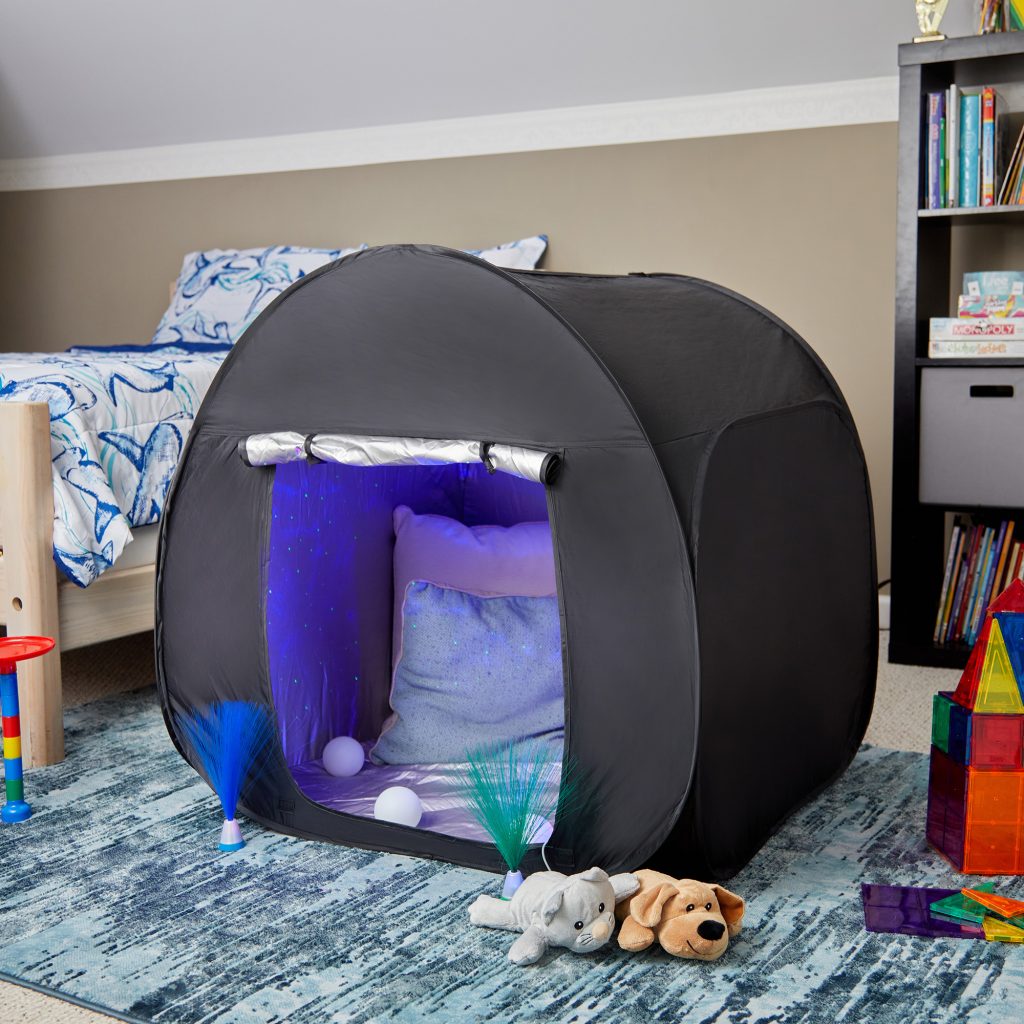
Home sensory spaces benefit from simplicity. Families usually need equipment that is quick to switch on, easy to store, and effective during daily pressure points such as morning routines, after school decompression, and bedtime. A darkened corner with dimmable LED lighting, a weighted blanket, and calming audio can be enough to create a reliable reset zone.
Parents often achieve better results by focusing on routine rather than variety. Using the same lighting scene and same calming soundtrack before sleep creates a predictable cue. That consistency is often more effective than rotating multiple devices to keep things interesting.
At school
School sensory rooms need clear purpose. Is the space for regulation, reward, intervention, or curriculum-based sensory learning? Technology should reflect that purpose. In a regulation room, low-arousal lighting, visual timers, and simple interactive options are often most effective. In a more active sensory intervention space, projection, switch access, and movement-responsive resources may be appropriate.
Staff training is essential. A good room can fail if one adult uses it for calming while another uses the same equipment for high-energy play five minutes later. Shared protocols, preset scenes, and session timing make technology consistent and more therapeutic.
In therapy settings
Therapy spaces often need the highest level of flexibility because multiple users may attend in one day. Zoning becomes vital: a calm area, an interaction area, and a body-based movement area. Technology should be selectable by goal, not left running continuously. Therapists typically get the best outcomes when each device is linked to a clear intervention plan, such as joint attention, bilateral coordination, tolerance of sensory input, or emotional regulation.
Where multiple users share a room, hygiene and reset speed matter as much as sensory quality. Equipment should be wipeable, cords secured, and scenes reset quickly between sessions. This practical detail often determines whether a room remains useful over time.
Frequently Asked Questions
Can technology really improve sensory regulation?
Yes, when it is matched to an individual’s sensory profile and used consistently. Adjustable lighting, controlled sound, and interactive sensory tools can reduce overload, support calming, or provide alerting input as needed.
What is the best technology for an autism sensory room?
The best technology depends on the person, but dimmable lighting, bubble tubes, fibre optics, and simple cause-and-effect controls are commonly effective. Predictable, adjustable equipment is usually more helpful than fast-changing or highly stimulating devices.
How much technology should a sensory room have?
A sensory room only needs enough technology to meet its purpose. A few well-chosen tools used properly are more effective than filling the room with equipment that competes for attention.
Are sensory gadgets useful at home?
Yes, especially when they support daily routines such as calming after school or settling before bed. Home setups work best when they are easy to use, not too bright or noisy, and built around one or two clear goals.
What should be avoided in a technology-based sensory room?
Avoid flashing lights, high volume, too many devices running together, and complicated controls. These features often increase stress and make the room harder for adults to use consistently.
Can sensory technology help people with dementia?
Yes, gentle sensory technology can support relaxation, familiarity, and orientation. Soft lighting, calming music, and simple projected visuals are often more effective than complex interactive systems.
How can staff or parents know if the technology is working?
Observe changes in behaviour, attention, communication, and recovery time after stress. If the person settles more easily, engages more purposefully, or shows fewer signs of distress, the setup is likely supporting regulation well.