Table of contents
Maintaining sensory rooms is essential because even the best-designed space loses its therapeutic value when equipment becomes unreliable, overstimulating, unsafe, or poorly matched to changing needs. The importance of maintaining sensory rooms lies in protecting user safety, preserving sensory regulation benefits, extending the life of expensive equipment, and ensuring the room continues to support autistic individuals, people with ADHD, those with sensory processing differences, and older adults with cognitive decline.
In practice, well-maintained sensory rooms consistently outperform neglected ones. Professionals who build and review sensory environments across homes, schools, clinics, and care settings regularly see the same pattern: a room does not fail because of one bad purchase, but because cleaning slips, lights flicker, broken switches go unreported, routines become inconsistent, and nobody reviews whether the space still meets the user’s needs.
Highlights
- Regular maintenance keeps sensory rooms safe, calming, and effective for daily use.
- Cleaning, equipment checks, and sensory reviews prevent overstimulation, breakdowns, and avoidable costs.
- Different users, including autistic children, pupils with ADHD, and adults with dementia, need ongoing adjustments.
- A simple maintenance routine helps parents, educators, and therapists protect both outcomes and investment.
Why maintaining sensory rooms matters
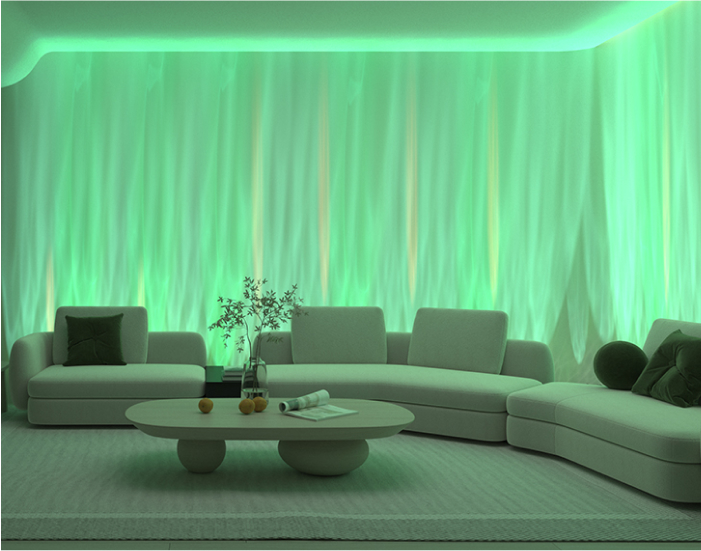
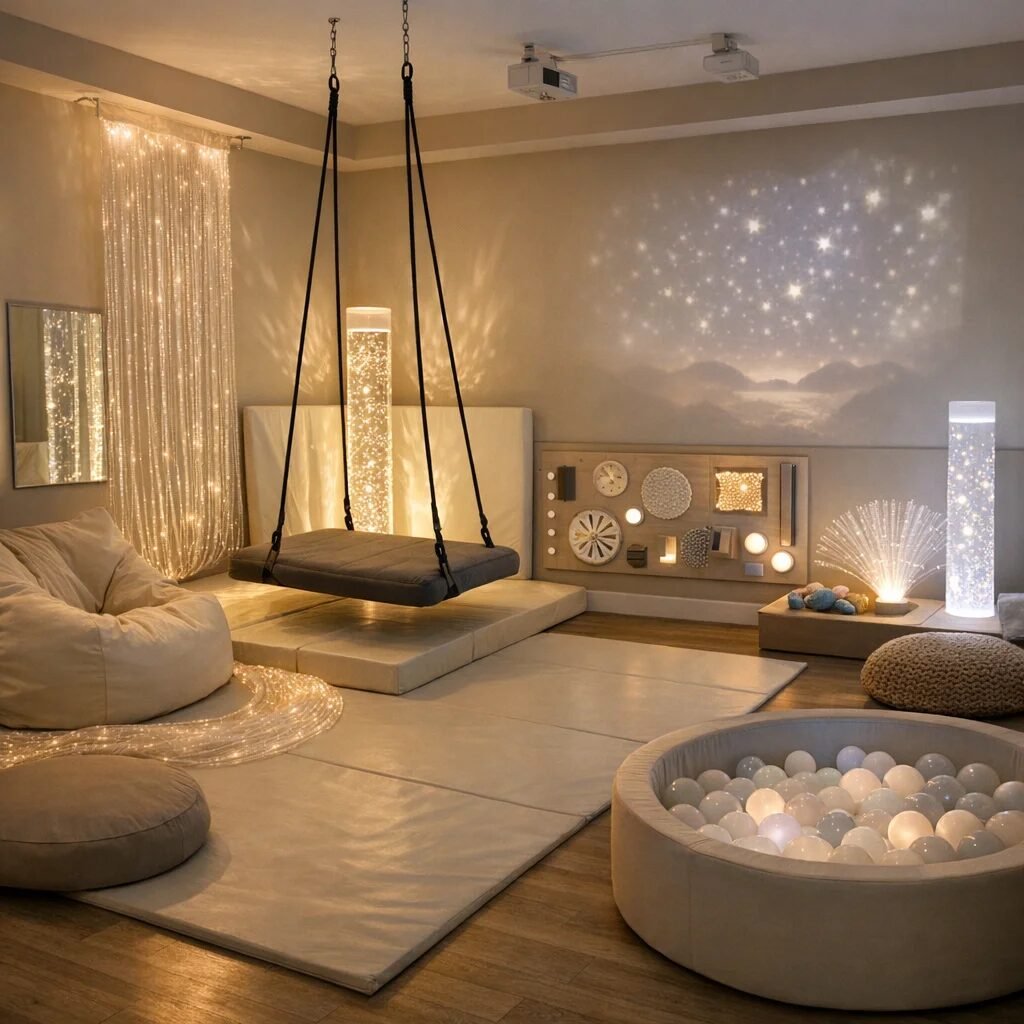
A sensory room is a deliberately designed environment that uses light, sound, texture, movement, and calm zones to help a person regulate their nervous system. That definition matters, because it shows why maintenance is not an optional housekeeping task. If the environment is designed to regulate, every broken, dirty, noisy, misplaced, or unpredictable element reduces its ability to do that job.
For an autistic child who uses dim lighting and familiar tactile activities to recover after school, a malfunctioning projector or an over-loud speaker can turn a calming space into a distressing one. For a pupil with ADHD, cluttered storage and missing movement tools can remove the very supports that make transition time manageable. For a person with dementia, fading contrast, poor seating support, or damaged tactile objects can reduce engagement and increase confusion.
There is also a safeguarding dimension. Sensory rooms often include electrical items, suspended features, soft furnishings, frequently handled equipment, and objects used by people who may mouth materials, climb, pace, or seek strong proprioceptive input. Without scheduled checks, wear and tear can become a risk long before it becomes obvious. A cracked bubble tube base, frayed cable, loose fixing, or poorly sanitised chewy item is not simply inconvenient; it can be dangerous.
Good maintenance protects the room’s therapeutic credibility. Schools and clinics often invest heavily in setup, only to find staff confidence drops when remotes go missing, items are unlabelled, batteries are flat, and no one knows what should be switched on for whom. A maintained room invites purposeful use. A neglected room becomes a dumping ground with coloured lights.
Safety is the first reason to maintain a sensory room
Safety checks should sit above aesthetics and even above sensory preference. In real-world settings, the most frequent problems are not dramatic equipment failures but small hazards that build up over time: trailing cables from moved lamps, overstretched extension leads, dusty vents, damaged beanbag seams, expired weighted products, loose wall fixings, and wet-room style cleaning products used on unsuitable surfaces.
Children and adults who are sensory seeking may press hard, pull, climb, chew, spin, or repeatedly switch devices on and off. That means products in sensory rooms often experience more intense wear than standard classroom or living room furniture. A visual check every day and a more careful hands-on inspection weekly can prevent accidents and reduce the likelihood of sudden room closures.
Cleanliness is part of safety. Shared tactile tools, soft seating, fidget items, and oral motor supports need a clear hygiene routine. This matters especially in schools and therapy spaces where multiple users may access the room each day. A neglected hygiene routine can spread illness quickly, and illness disrupts attendance, therapy continuity, and trust in the room.
According to the UK Health Security Agency, hand and surface hygiene remain central to reducing the spread of common infections in shared environments. Their guidance supports routine cleaning of high-touch areas and shared items in educational and care settings through UKHSA public health resources. In a sensory room, that applies directly to switches, tactile boards, seating, door handles, and handheld sensory tools.
Practical safety checks that should happen routinely
A strong routine begins with a short opening check. Staff or caregivers should confirm that walkways are clear, equipment powers on correctly, cables are secured, and no item shows obvious damage. This takes only a few minutes and prevents most avoidable problems.
Each week, maintenance should go further: test sound levels, inspect fixings, wipe and sanitise high-contact items, rotate worn tools out of use, and review whether any item is causing sensory discomfort. If a room includes wall-mounted tactile resources, an option such as the 11 in 1 Sensory Wall Panel should be checked for loose elements, splintering, or parts that no longer move smoothly.
Maintenance preserves therapeutic effectiveness
A sensory room can look attractive and still fail clinically. Therapeutic effectiveness depends on predictability, responsiveness, and fit. If the lights are too bright, the vibration chair is out of action, the calming playlist is missing, or the tactile tray contains random mixed materials with no purpose, the room stops being a regulation tool and starts becoming an uncontrolled sensory experience.
This is especially relevant for autistic users, many of whom rely on consistency and accurate sensory input. A room that was soothing last month may become aversive if bulbs have been replaced with a cooler colour temperature, equipment hums more loudly with age, or a favourite textured item has become rougher after repeated washing. Maintenance includes noticing these subtle changes, not just repairing what is visibly broken.
The same principle applies in schools. Effective rooms tend to have clear zones: calming, active, tactile, visual, and retreat. Poorly maintained rooms often lose this zoning over time. Staff add extra items with good intentions, pupils move resources between stations, and no one resets the layout. The result is an overstimulating mix of movement equipment beside fragile lights, noisy tools near rest corners, and no clear pathway for a dysregulated child to enter, settle, and leave.
Research from the U.S. Centers for Disease Control and Prevention reports that around 1 in 36 children has been identified with autism spectrum disorder according to CDC autism data. While every child is different, that prevalence underlines how many families and professionals rely on sensory supports. When those supports are not maintained, the impact is felt daily in regulation, participation, and behaviour.
Effective setup versus poor setup over time
An effective sensory room has tidy storage, labelled resources, controlled sound, consistent lighting, and a documented purpose for each area. A poor setup usually develops gradually: duplicate items pile up, batteries die, staff improvise, and broken equipment remains in the room because nobody has logged it for repair. Users then receive mixed signals. A supposedly calming corner may include flashing toys, bright overhead light, and a beanbag that no longer offers enough support to feel secure.
A useful test is to observe a first-time user entering the room. In a maintained space, they can immediately identify where to sit, what to explore, and how to reduce stimulation. In a neglected space, they scan for too many competing stimuli, touch something that does not work, become frustrated, and either disengage or escalate.
Maintenance should match changing sensory needs
Sensory needs change with age, stress levels, health conditions, developmental stage, and life transitions. A room suitable for a preschool child may feel babyish and unhelpful by age eight. A teenage pupil with ADHD may need more resistance-based movement options and fewer novelty lights. An adult recovering from burnout may require lower contrast, less sound, and stronger control over the environment.
This is why maintenance should include review, not only repair. Every few months, parents, teachers, and therapists should ask whether the user still seeks the same input, avoids the same triggers, and benefits from the same sequencing. If not, the room needs adjustment. Maintenance in this sense means preserving relevance.
In dementia care, this principle becomes even more important. Sensory rooms for older adults often need excellent seating support, simple controls, familiar objects, soft contrast, and carefully moderated stimulation. As cognition and mobility change, maintenance should include checking usability and accessibility, not just function. For teams supporting older adults, guidance around sensory rooms for seniors with dementia can help shape appropriate review decisions.
Even within one diagnosis, needs differ widely. Autism and sensory processing disorder may involve both sensory sensitivity and sensory seeking. ADHD may call for movement and proprioceptive input before stillness is possible. Dementia may increase the value of familiar music or tactile reminiscence objects. A maintained room responds to the person, not the label.
How to maintain a sensory room step by step
The most successful maintenance systems are simple enough to survive busy schedules. Complicated forms often get ignored, while a short, visible checklist used consistently can transform room quality. The aim is not perfection; it is reliability.
Step 1: Create an equipment inventory
List every item in the room, including lighting, seating, wall features, tactile tools, sound equipment, visual aids, weighted products, and storage units. Record manufacturer guidance, cleaning methods, battery type, replacement parts, and where each item belongs. This prevents useful resources from being lost and helps teams identify patterns when the same item repeatedly fails.
Step 2: Assign daily, weekly, and monthly checks
Daily checks should focus on function and safety. Weekly checks should cover cleaning, basic testing, reset of layout, and removal of worn items. Monthly checks should review whether the room still matches user needs, whether usage data suggests overcrowding, and whether any equipment needs servicing or replacement.
Step 3: Log problems immediately
Do not rely on memory or verbal handover. Keep a simple maintenance log in the room or in a shared digital system. If a speaker crackles, a projector flickers, or a weighted lap pad seam begins to strain, it should be recorded and either repaired or removed the same day.
Step 4: Clean according to material, not assumption
Different surfaces require different cleaning methods. Harsh sprays can cloud acrylic, degrade coatings, or leave strong odours that sensitive users find distressing. Follow manufacturer guidance and test products where necessary. Soft tactile resources should be rotated to allow proper washing and drying without leaving the room under-equipped.
Step 5: Review user response, not just equipment condition
A room can be technically “working” but clinically less effective. Track which items support calm, focus, engagement, or transition, and which items trigger avoidance or over-arousal. If a sensory wall is frequently used, a durable option such as the 11 in 1 Sensory Wall Panel may justify regular inspection because heavy daily use often reveals wear before visible damage appears.
Common maintenance mistakes and how to avoid them
One common mistake is treating the sensory room as a storage space for every donated or spare sensory-looking item. This quickly creates clutter and dilutes the room’s purpose. Maintenance should include active editing. If an item is rarely used, does not suit the current users, or adds unnecessary stimulation, it should be removed.
Another mistake is assuming expensive equipment needs less attention than simple resources. In reality, high-cost lighting and electronic features often need the most routine care. Dust in vents, tangled cords, missing remotes, and software issues can make premium equipment unusable. Meanwhile, lower-cost tactile tools may continue working well because they are easy to clean and replace.
A third mistake is failing to train all adults who use the room. One therapist may know the ideal setup, but if school staff, cover staff, support workers, or family members switch on every feature at once, the environment becomes inconsistent. Maintenance should therefore include procedural clarity: who resets the room, where items go, what each zone is for, and what should never be used together.
Finally, many settings only react when something breaks. Preventive maintenance is far cheaper than emergency replacement. The National Autistic Society highlights how sensory differences can strongly affect daily functioning in its guidance on sensory differences. That makes proactive upkeep especially valuable, because sensory disruptions are not minor inconveniences for many users.
Maintenance in home, school, and therapy settings
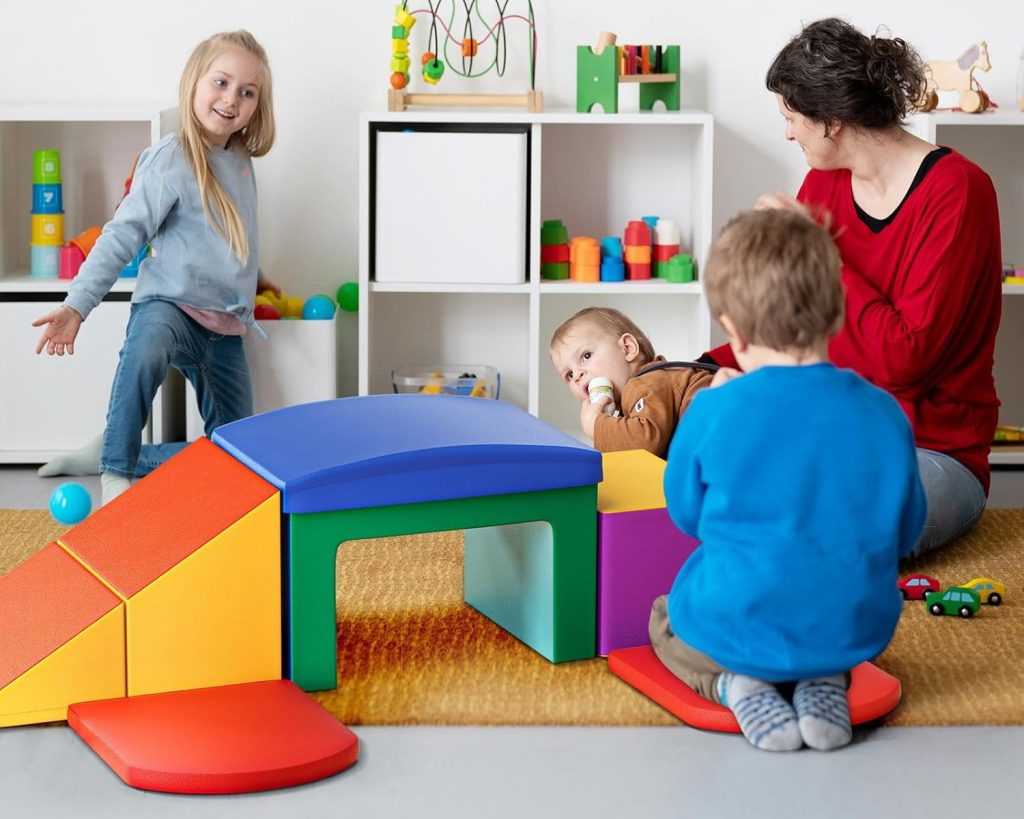
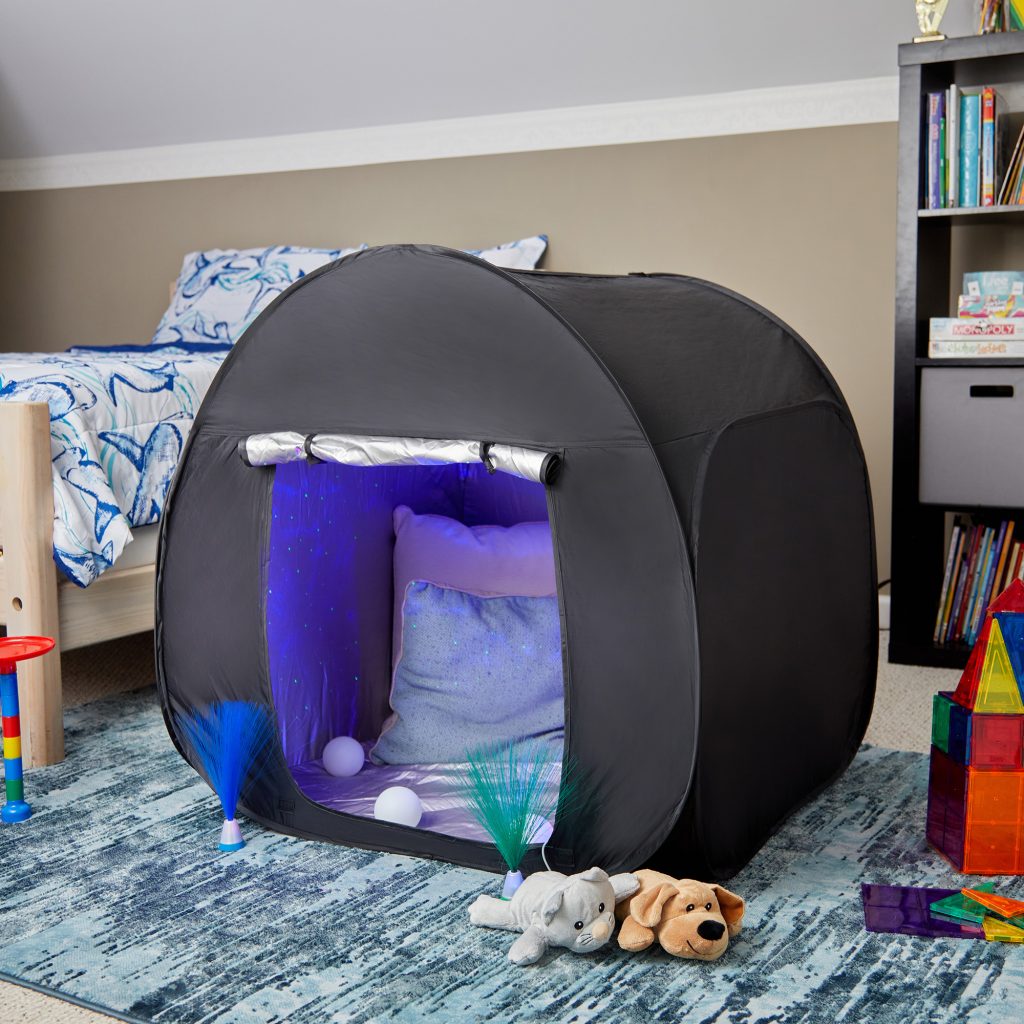
At home, maintenance should prioritise ease and consistency. Parents benefit from keeping the room simple: limited but reliable equipment, washable materials, closed storage, and a short weekly reset. Home sensory rooms often fail when they become playrooms by default. A calm space needs boundaries, predictable routines, and a clear purpose such as winding down after school, recovering from overload, or preparing for bedtime.
In schools, usage volume is the key difference. Multiple pupils, time pressure, and varied staff increase the risk of drift. A school sensory room needs visible zoning, a booking system, a maintenance log, cleaning supplies stored safely but accessibly, and clear guidance on maximum occupancy. Staff should know whether the room is for calm regulation, sensory breaks, intervention work, or reward-based access, because each model affects wear and maintenance needs.
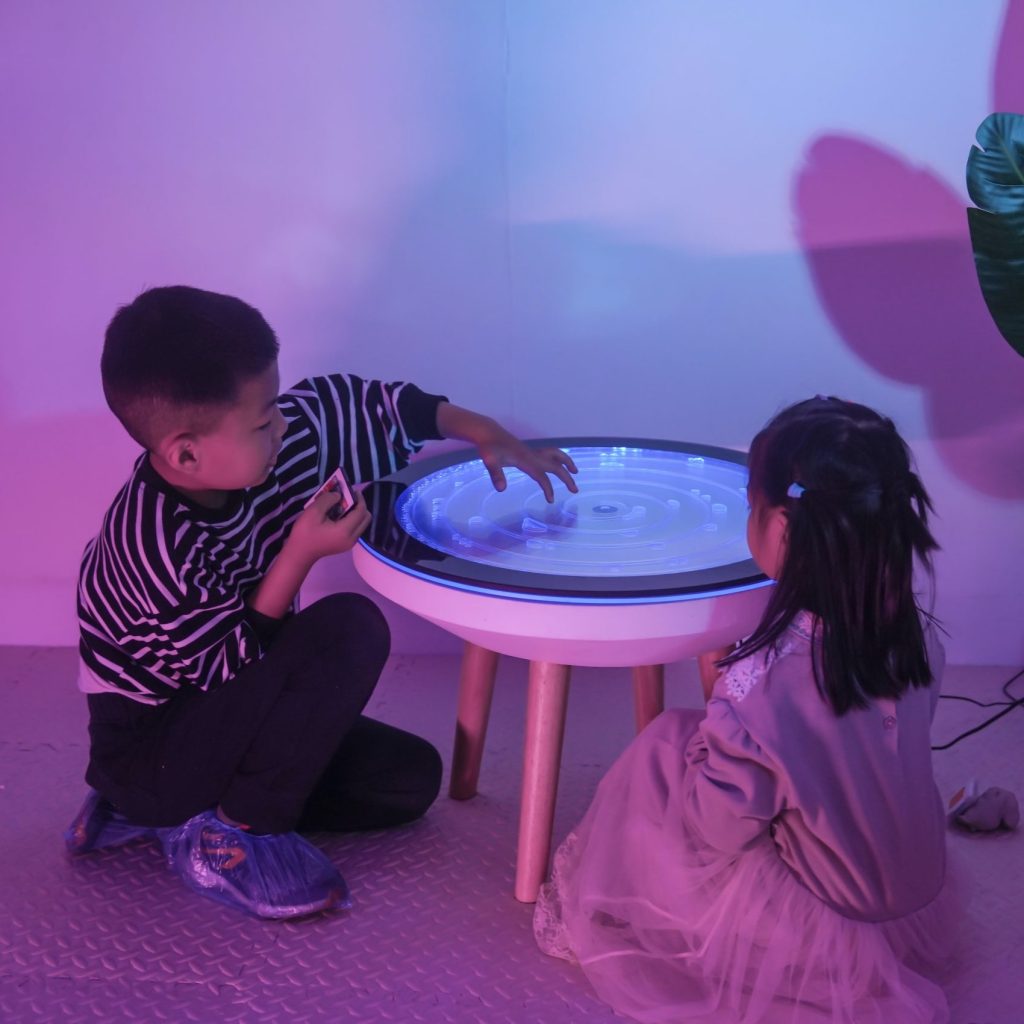
Therapy spaces require the most individualisation. Therapists often use sensory rooms with clear goals, such as co-regulation, graded exposure, visual tracking, tactile tolerance, or body awareness. Maintenance here should include session-based review. Which tools facilitated engagement? Which settings changed the child’s state too quickly? Which resource needs replacement before the next block of therapy?
Across all settings, the strongest maintenance culture is one where the room is respected as specialist space, not background décor. That mindset changes everything from cleaning standards to staff language to replacement budgets.
Expert tips for keeping a sensory room effective long term
Fewer, better-maintained items often outperform crowded rooms full of novelty. A tactile station, supportive seating, adjustable lighting, and predictable sound options usually have more lasting therapeutic value than a collection of flashy gadgets with no clear role. Thoughtful curation reduces sensory chaos and makes maintenance manageable.
Photograph the correct room layout. This is one of the simplest and most effective professional tricks. A printed photo on the inside of a cupboard door helps any adult reset the room accurately after use. It supports consistency across staff changes and reduces the gradual layout drift that undermines zoning.
Keep duplicates of heavily used basics rather than duplicates of expensive electronics. Spare chew tools, washable fidgets, covers for cushions, and batteries for essential controls protect room function more than buying another visual feature. The daily experience of reliability matters more than the occasional appearance of novelty.
Most of all, listen to the users. A maintained sensory room is not just clean and safe; it feels right to the people using it. If a once-loved corner is avoided, if transitions in the room are harder than before, or if users seek only one item and ignore the rest, the room is giving feedback. Maintenance means responding to that feedback with care, not defending the original design.
Frequently Asked Questions
How often should a sensory room be maintained?
A sensory room should have basic safety and tidiness checks every day, deeper cleaning and equipment inspections weekly, and a fuller review of user needs monthly or termly. Higher-use school and therapy rooms may need more frequent checks. The busier the room, the more structured the maintenance should be.
Why is maintenance so important in a sensory room?
Maintenance keeps the room safe, hygienic, calming, and effective. Broken, dirty, or poorly arranged equipment can cause overstimulation, frustration, or physical risk. Regular upkeep also protects the value of expensive sensory products.
What is the biggest mistake people make with sensory rooms?
The biggest mistake is letting the room become cluttered and inconsistent over time. Too many items, poor storage, and broken equipment reduce the room’s therapeutic purpose. A sensory room works best when it is intentional, predictable, and regularly reviewed.
Do sensory rooms need different maintenance for autism, ADHD, and dementia?
Yes, because each group may use the room differently and respond to different types of input. Autistic users may need greater consistency and sensitivity to changes in light or sound, while people with ADHD may use movement tools more heavily. Older adults with dementia may need simple layouts, familiar sensory items, and extra attention to accessibility and comfort.
What should be checked first in a sensory room?
The first checks should be safety basics: cables, plugs, fixings, flooring, cleanliness, and visible damage. After that, staff or caregivers should test whether key equipment works as expected. A quick opening check can prevent most daily problems.
How can schools keep sensory rooms in good condition?
Schools should use a booking system, assign responsibility for daily resets, maintain a simple fault log, and train all staff in proper use. Clear zoning and labelled storage also reduce misuse. Shared spaces stay in better condition when expectations are visible and consistent.
When should sensory room equipment be replaced instead of repaired?
Equipment should be replaced when it can no longer be cleaned properly, repaired safely, or used predictably by the intended population. Replacement is also sensible when a product no longer matches the user’s developmental or sensory needs. If an item repeatedly fails, it is usually costing more than it is worth.