Table of contents
Sensory stimulation is essential for individuals with sensory impairments because it helps the brain receive, organise, and respond to information more effectively, supporting attention, emotional regulation, communication, movement, and overall wellbeing. In my work designing sensory rooms and advising families, schools, and therapists, I have seen that well-matched sensory input can transform a person from distressed, withdrawn, or overwhelmed into calm, engaged, and ready to connect with the world.
Highlights
- Sensory stimulation supports brain development, regulation, orientation, and participation for people with sensory impairments.
- The most effective sensory spaces are personalised, structured, and responsive to individual sensory profiles rather than filled with random equipment.
- Autism, ADHD, dementia, and sensory processing difficulties often overlap with sensory impairments, so rooms should be adaptable and low-pressure.
- Simple choices such as lighting, sound control, tactile materials, and seating can greatly improve comfort, engagement, and independence.
What sensory stimulation means for individuals with sensory impairments
Sensory stimulation is the planned use of sight, sound, touch, movement, smell, and sometimes taste to help a person engage with their environment in a way that feels safe and meaningful. For individuals with sensory impairments, this is not about entertainment alone. It is about giving the nervous system clearer, more accessible input so the person can interpret their surroundings, feel more secure, and participate more fully in daily life.
When I assess a sensory room or advise on a home setup, I always begin by asking a simple question: what sensory information is this person missing, avoiding, or craving? A child with visual impairment may need stronger contrast, gentle movement, and tactile exploration. A teenager with auditory impairment may benefit from vibration, visual rhythm, and body-based sensory feedback. An older adult with dementia may need familiar textures, calming music, and soft lighting to reduce agitation. The principle is the same across settings: sensory stimulation should bridge a gap, not create more confusion.
This matters because sensory impairments can affect much more than one sense. They can influence confidence, orientation, communication, sleep, learning, balance, and emotional regulation. According to the NHS, sensory changes are also common in neurodevelopmental and neurological conditions, and these changes can affect day-to-day functioning in significant ways. In practice, I often find that a person’s distress is less about behaviour and more about an environment that is either too empty, too intense, or simply mismatched to how they process sensory input.
Why sensory stimulation matters for development, regulation, and wellbeing
One of the most important benefits of sensory stimulation is regulation. Regulation means the ability to maintain a calm, alert, and functional state. Many individuals with sensory impairments struggle to achieve this because their brains are working harder to interpret incomplete or inconsistent sensory information. Carefully designed stimulation can help the nervous system settle, wake up appropriately, or maintain focus for longer periods.
I have seen this repeatedly in autism and sensory processing disorder. A child who paces, covers their ears, and refuses to enter the classroom may appear oppositional, but when offered predictable tactile input, dimmable lighting, and a quiet corner with a weighted blanket, that same child may become available for learning within minutes. The difference is not discipline. The difference is sensory compatibility.
Sensory stimulation also supports development. Research from the National Autistic Society notes that sensory differences can strongly affect learning, behaviour, and participation in daily activities. For young children especially, sensory-rich but appropriate experiences help build motor planning, body awareness, communication, and curiosity. For adults with profound disabilities or progressive conditions, sensory stimulation can preserve connection, encourage movement, and improve quality of life.
The role of sensory stimulation in emotional safety
Emotional safety is often overlooked when people talk about equipment. A bubble tube, projector, or bean bag is only useful if the person feels safe enough to engage with it. I have worked in schools where expensive sensory rooms were rarely used because the lighting was too harsh on entry, the sounds echoed, and staff changed settings unpredictably. By contrast, I have seen a small corner in a classroom become highly effective simply because it was consistent, quiet, and tailored to one child’s needs.
For individuals with sensory impairments, uncertainty can be exhausting. A predictable sensory routine helps reduce that uncertainty. For example, starting every session with dimmed lights, slow visual movement, and firm proprioceptive input through seating or wraps helps signal that the body can relax. Once regulation improves, the person is more likely to explore, communicate, and tolerate new tasks.
How sensory needs differ across autism, ADHD, dementia, and sensory processing disorder
Although sensory impairments can exist on their own, they often overlap with autism, ADHD, dementia, and sensory processing disorder. This is why I never recommend a one-size-fits-all sensory room. Two people can share the same diagnosis and still need completely different forms of stimulation.
For an autistic child, sensory stimulation often works best when it is predictable, gradual, and under the child’s control. Sudden noise, flashing lights, or strong scents can trigger overload. For someone with ADHD, the challenge may be under-arousal rather than overload; they may benefit from movement breaks, dynamic seating, and sensory tools that support focus. For a person with dementia, familiar sensory cues can reduce confusion and improve orientation. In sensory processing disorder, the individual may be over-responsive, under-responsive, or sensory-seeking depending on the sense involved.
Definition: what is sensory impairment?
Sensory impairment is a reduced ability to receive or interpret information from one or more senses, most commonly sight, hearing, touch, vestibular processing, or proprioception. In practice, this means the person may miss important environmental cues, respond differently to input, or need sensory information presented in a clearer, stronger, or more structured way.
A helpful comparison is this: good sensory support is like adjusting the volume and clarity on a device until the message becomes usable. Poor sensory support is like turning every setting up at once and hoping something works. The first approach creates access. The second creates stress.
Designing effective sensory environments at home, in schools, and in therapy spaces
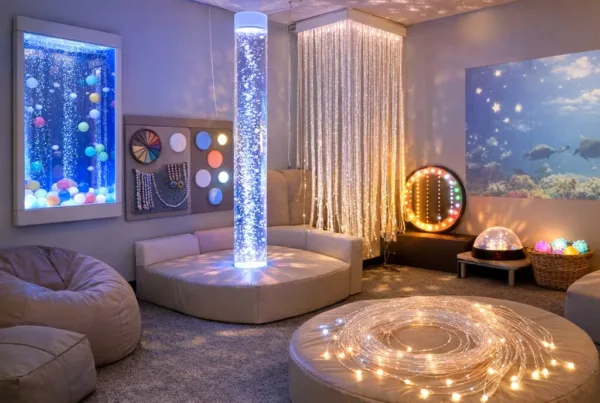
The best sensory environments are purposeful. I encourage parents, teachers, and therapists to think less about filling a room and more about creating zones with clear sensory functions. A successful sensory room usually includes a calming zone, an alerting or active zone, and a transition space. Even in a small home, this can be achieved with furniture placement, light control, and a few carefully chosen tools.
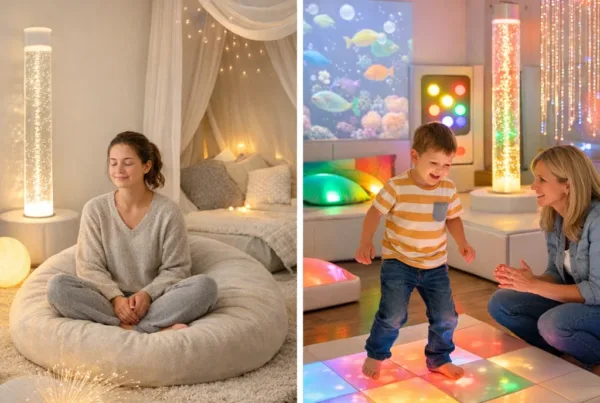
At home, families often need flexibility. A bedroom corner can become a calming sensory retreat with blackout options, soft tactile items, a rocker or bean bag, and gentle light sources such as sensory LED lights. In schools, the setup should support both regulation and return to learning, so I usually recommend visual schedules, clear staff guidance, and limited equipment choices at one time. In therapy settings, equipment should reflect the goals of the session, whether that is co-regulation, motor planning, communication, or desensitisation.
If you are planning a larger dedicated space, it helps to understand how these environments have developed over time. I often recommend reading the history and evolution of sensory rooms because it highlights an important lesson: the best rooms are not flashy showcases, but responsive environments designed around human sensory needs.
Step-by-step: how I plan a sensory setup that actually works
Step one is observation. I watch when the individual is calm, distressed, alert, avoidant, or seeking input. I note triggers such as bright light, echoes, clutter, or unexpected touch. I also look for naturally regulating activities, like rocking, squeezing cushions, watching slow movement, or listening to repeated sounds.
Step two is defining the goal. Do we need this space to calm after school, prepare for learning, support therapy, or improve sleep routines? A room without a clear goal often becomes inconsistent and less effective. Step three is choosing one or two priority sensory channels. For one child that might be tactile and vestibular input. For another, it might be visual tracking and proprioceptive feedback.
Step four is selecting equipment that matches those goals. A sensory bubble tube can work beautifully for visual attention and calming if the user enjoys slow movement and soft light. A sensory crash mat may be better for a child who needs heavy work and body awareness. Step five is testing and adjusting. I always tell families and staff to introduce new items gradually and record what happens before, during, and after use.
Practical sensory stimulation ideas that deliver real benefits
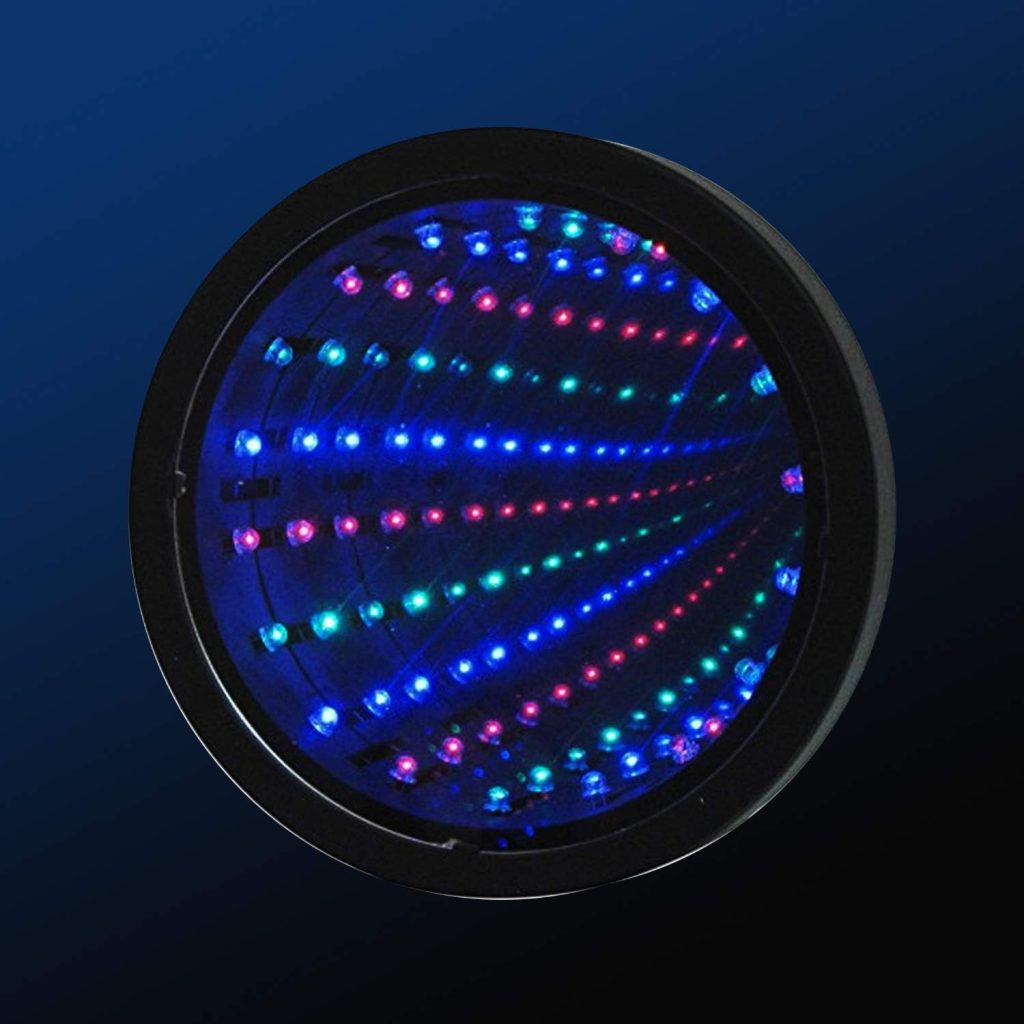
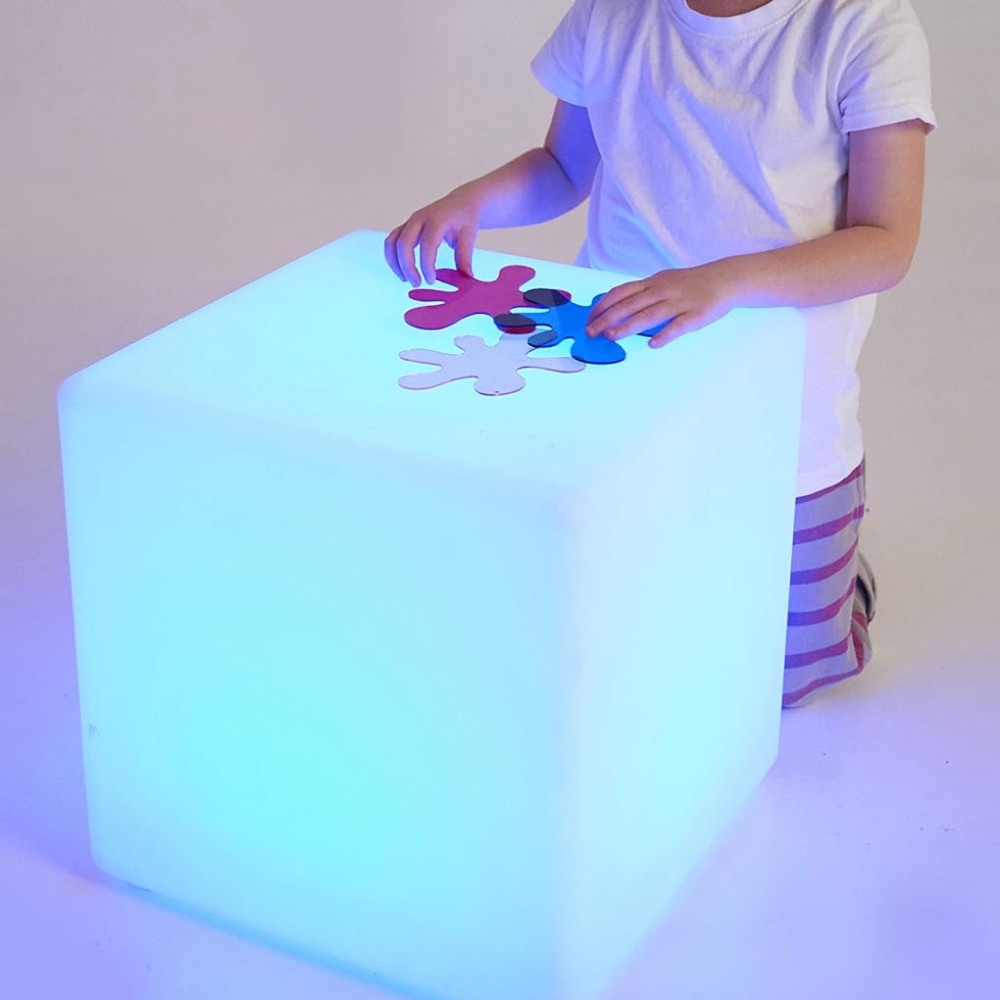
Visual stimulation should be controlled, not chaotic. I prefer soft, slow-moving light effects, clear contrast, and the option to dim or switch off quickly. For individuals with visual impairment, tactile and auditory cues may need to do more of the work, while for visually seeking users, projected movement or illuminated columns can support attention and calm. Avoid fast flashing lights unless they have been specifically assessed as appropriate, as they can increase anxiety and discomfort.
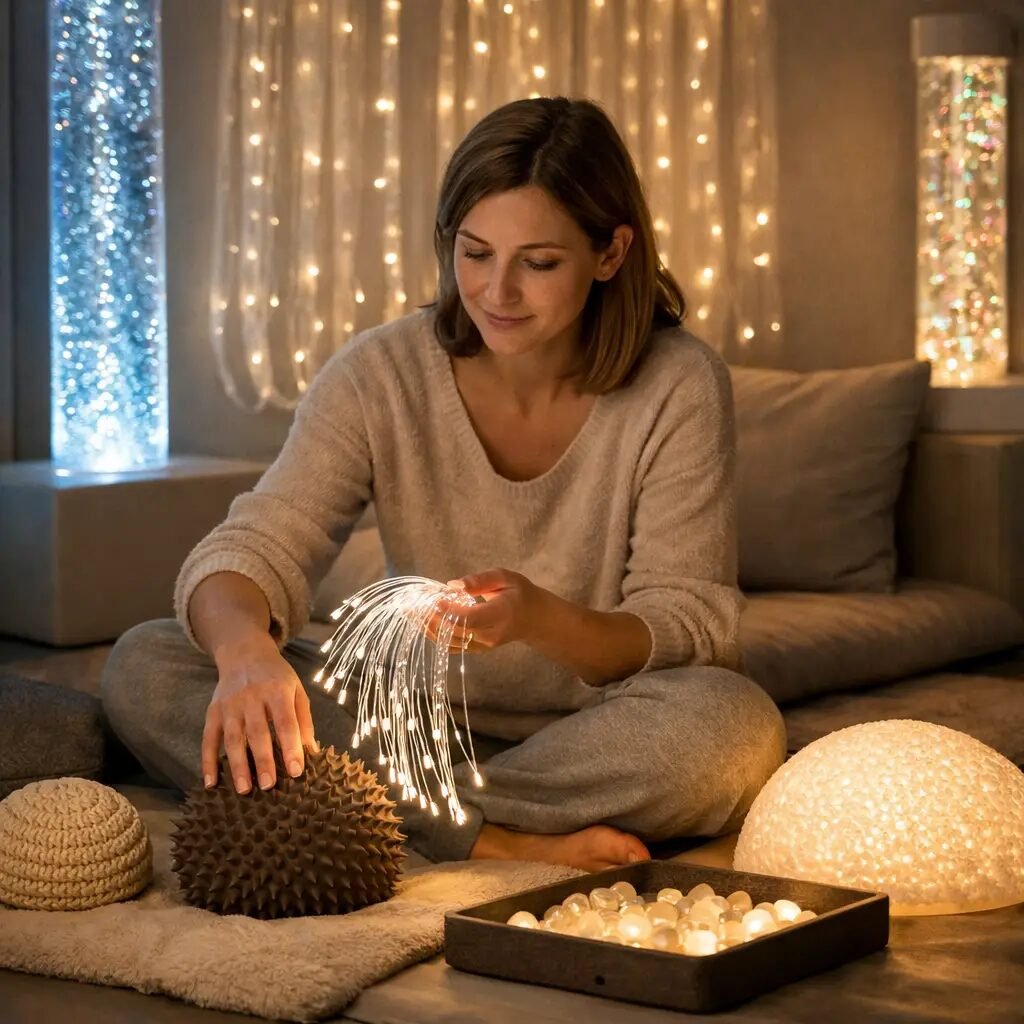
Tactile input is one of the most versatile and often the most successful forms of sensory stimulation. In my experience, textured panels, soft blankets, fidget items, and different fabric surfaces offer low-risk, high-value engagement. The key is variety without clutter. I would rather provide six thoughtfully chosen tactile experiences than a shelf full of random items that overwhelm the user.
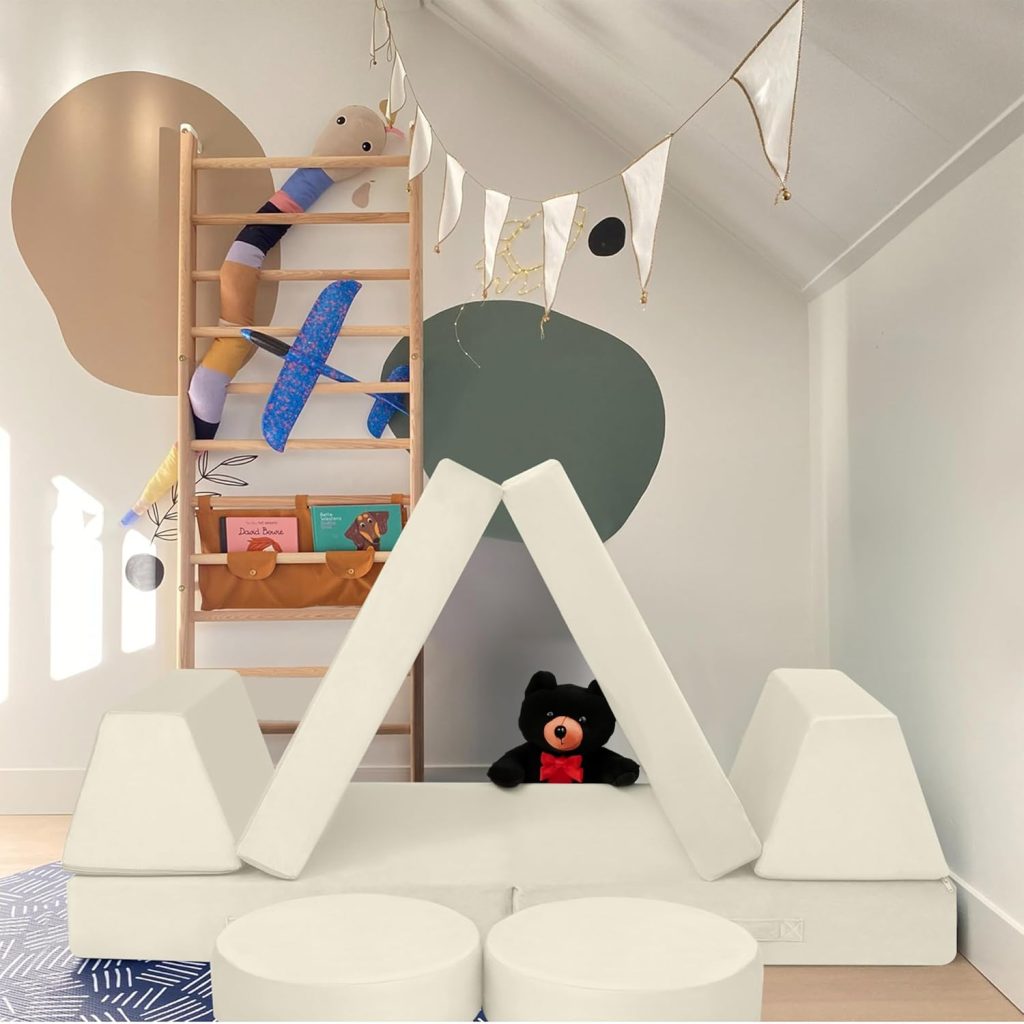
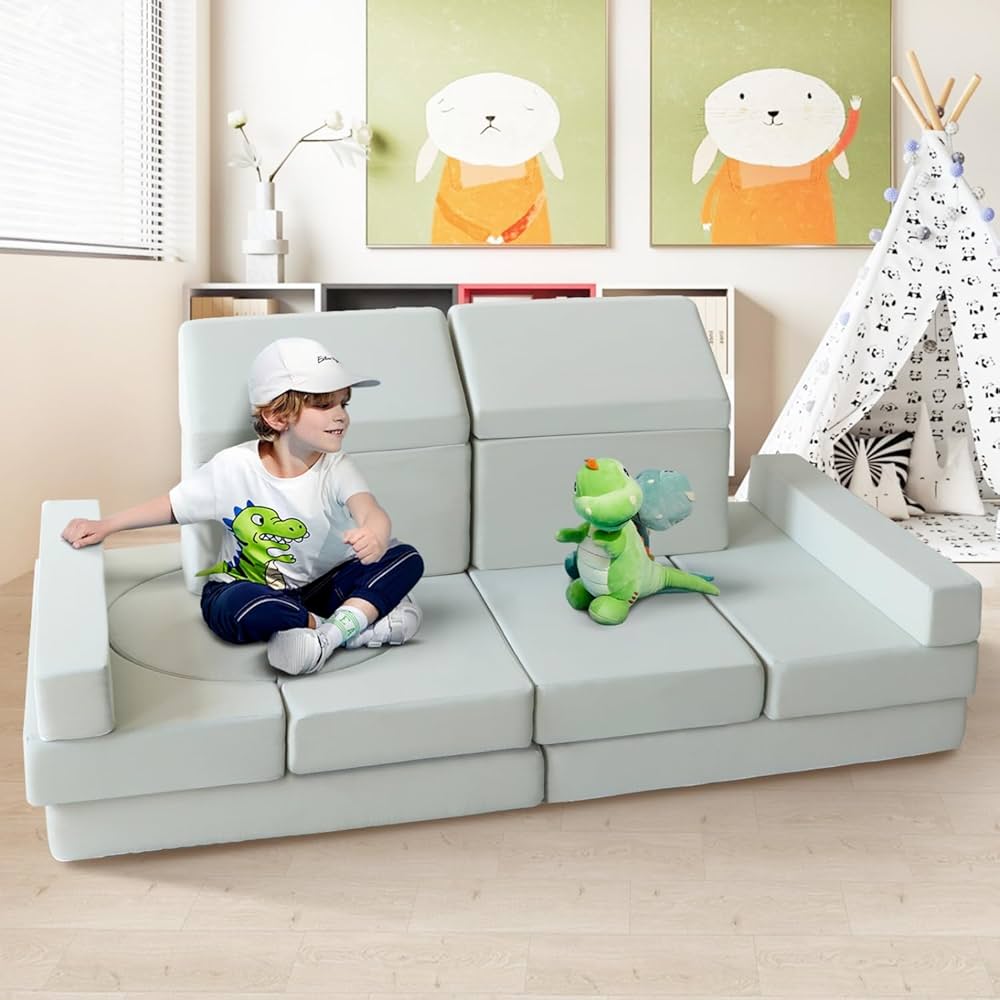
Movement-based input is especially helpful for regulation, attention, and body awareness. Rocking chairs, therapy balls, floor cushions, and suspended equipment can be powerful when used correctly. I often add a sensory egg chair or enclosed seating option because it combines vestibular comfort, deep pressure, and a sense of security. For children with ADHD or sensory-seeking profiles, this kind of input can improve concentration after a short sensory break.
Common mistakes I see in sensory rooms and how to avoid them
The most common mistake is overloading the space. People often assume that more equipment means more benefit, but sensory rooms packed with bright colours, loud music, moving lights, and too many choices can be deeply dysregulating. Effective sensory stimulation depends on quality, pacing, and control. If a person enters a room and has no clear place to settle, the design has failed regardless of how much money was spent.
Another frequent mistake is copying someone else’s setup without considering individual sensory needs. A bubble tube that is calming for one child may be irrelevant or even unsettling for another. A weighted item may help one person feel grounded and make another feel trapped. This is why assessment matters. A sensory room should reflect the user’s profile, not social media trends or catalogue photos.
I also see rooms where staff or carers have not been trained in how to use the space. Equipment is switched on all at once, sessions happen only when behaviour escalates, or the room becomes a reward rather than a support. In schools especially, I advise creating a simple sensory room protocol: when to use the room, for how long, what signs to watch for, and how to track the person’s response. If you are developing a dedicated space, sensory room design guidance can help you avoid costly layout and planning errors.
Effective setup versus poor setup
An effective sensory setup has clear purpose, adjustable input, consistent routines, and room for observation. For example, one primary school I supported created a low-stimulation regulation room with dimmable lighting, acoustic panels, tactile baskets, and one movement seat. Pupils used it for 10-minute scheduled sessions before literacy. Staff recorded outcomes, and within weeks they reported improved transitions and fewer distress episodes.
A poor setup, by contrast, tends to be visually busy and unpredictably used. In one setting, every wall was covered in colourful materials, the projector competed with flashing toys, and staff brought in groups of children with very different needs at the same time. The result was conflict, avoidance, and short sessions that provided little benefit. Once we simplified the room and created user-specific plans, engagement improved noticeably.
Using sensory stimulation safely and measuring what works
Safe sensory stimulation is personalised, supervised when needed, and introduced gradually. I recommend changing just one variable at a time: a new light source, a different texture, or a short movement activity. This makes it much easier to identify what helps and what triggers discomfort. It also supports more accurate communication between parents, teachers, and therapists.
Whenever possible, track outcomes in a simple way. I often suggest a quick before-and-after rating on mood, attention, body tension, or communication. You do not need a complex chart. A few consistent notes can reveal patterns quickly. For example, if a child becomes calmer after five minutes of deep pressure and soft lighting but more dysregulated after mixed visual effects and music, that tells you exactly how to refine the setup.
There is growing evidence that sensory-based support can positively affect participation and emotional regulation when tailored appropriately. The CDC reports that autism now affects 1 in 36 children in the United States, and sensory differences are widely recognised within that population. Meanwhile, Alzheimer’s Society highlights that sensory changes and environmental factors can affect orientation and distress in dementia care. These figures reinforce what practitioners already know: sensory environments are not extras. They are often central to access and quality of life. For broader clinical information, I also point people to the National Autistic Society’s guidance on sensory differences and the CDC autism data and research pages.
Frequently Asked Questions
Why is sensory stimulation important for people with sensory impairments?
Sensory stimulation helps the brain receive and organise information in a way that improves regulation, comfort, awareness, and participation. For individuals with sensory impairments, appropriate input can reduce distress and make environments feel more understandable and manageable.
What is the best type of sensory stimulation?
The best type depends on the individual’s sensory profile, goals, and environment. Some people respond best to tactile and deep-pressure input, while others benefit more from visual calming tools, movement, or sound-based cues. Personalisation matters more than the equipment itself.
Can sensory stimulation help autistic children?
Yes, when it is matched to the child’s sensory needs and introduced in a predictable way. Sensory stimulation can help autistic children regulate emotions, improve attention, tolerate transitions, and feel safer in demanding environments such as school.
How do I create a sensory space at home on a budget?
Start with one corner rather than a full room. Focus on adjustable lighting, comfortable seating, a few tactile items, and one or two calming tools that your child already responds well to. A quiet, consistent setup is more effective than lots of equipment.
What mistakes should I avoid in a sensory room?
Avoid overcrowding the room, using too many sensory effects at once, and copying setups that are not tailored to the individual. Also avoid using the room only during crisis moments, as this can make it feel reactive rather than supportive.
Are sensory rooms only for children?
No, sensory rooms can benefit people of all ages. I have seen excellent outcomes for teenagers, adults with complex disabilities, and older adults with dementia when sensory stimulation is planned around their needs and preferences.
How long should a sensory session last?
There is no single ideal length, but many effective sessions last between 10 and 30 minutes depending on the person and the goal. Shorter, consistent sessions often work better than long, unstructured ones, especially when you are still identifying what helps.