Table of contents
Sensory stimulation for individuals with sensory impairments matters because it helps the brain receive, organise, and respond to information that may otherwise be reduced, distorted, or overwhelming. In my work designing sensory rooms and supporting autistic children, adults with sensory processing differences, and people with complex needs, I have seen carefully chosen sensory input improve attention, emotional regulation, communication, mobility, and overall quality of life.
Highlights
- Sensory stimulation supports brain development, regulation, engagement, and wellbeing for people with visual, auditory, tactile, vestibular, or multi-sensory impairments.
- The most effective sensory environments are personalised, predictable, and matched to the individual’s thresholds, preferences, and goals.
- Good sensory room design is not about adding more equipment; it is about choosing the right input at the right intensity.
- Home, school, and therapy spaces all benefit from simple setup strategies, clear zoning, and careful observation of responses.
Why sensory stimulation matters for individuals with sensory impairments
When I talk about sensory stimulation, I mean structured opportunities to experience touch, sound, movement, light, vibration, smell, and body awareness in a way that is safe, meaningful, and manageable. For someone with sensory impairments, those experiences are not just “nice extras.” They can be central to learning, orientation, emotional security, and participation in daily life.
A definition I often use with parents and teachers is this: sensory stimulation is the intentional use of sensory input to help a person notice, process, and respond to their environment more effectively. For a child with visual impairment, tactile and auditory stimulation may become crucial routes for exploration and learning. For an older adult with dementia, familiar music, gentle aromatherapy, and textured items can improve comfort and reduce agitation. For an autistic pupil who is both sensory seeking and sensory avoidant in different ways, the right stimulation can prevent overload and support self-regulation.
There is strong evidence that sensory activity affects development and wellbeing. The NHS notes that sensory changes can significantly affect daily functioning in autistic people, influencing comfort, concentration, and behaviour. Research from the CDC also highlights that developmental conditions such as autism commonly involve atypical sensory responses, which can shape communication and participation in everyday environments. In practice, what this means is simple: if we get the sensory environment wrong, we often see distress, withdrawal, or dysregulation. If we get it right, we create access.
Understanding sensory impairments and sensory needs
Sensory impairments do not all present in the same way, and one of the biggest mistakes I see is assuming that reduced sensory function automatically means a person needs “more stimulation.” Sometimes they do. Sometimes they need clearer, slower, more predictable input instead. There is a major difference between sensory deprivation and sensory overload, and a good sensory room addresses both.
For example, a child with profound and multiple learning disabilities may benefit from stronger tactile contrast, gentle vibration, and clear cause-and-effect visual effects. By contrast, an autistic teenager with sensory processing disorder may become distressed by flickering lights, layered sounds, and strong scents. Both individuals have sensory needs, but their ideal environments look very different. This is why assessment and observation must come before equipment choices.
How different conditions can affect sensory processing
Autism often involves hyper- or hypo-sensitivity across one or more senses. I regularly meet children who seek proprioceptive input through squeezing, crashing, or chewing, while also avoiding sudden noise or bright light. ADHD can bring a need for movement, novelty, and regular sensory feedback, especially to maintain focus. Dementia may reduce a person’s ability to interpret their surroundings, making gentle, familiar sensory cues highly valuable. Visual or hearing impairments often increase reliance on the remaining senses for information, orientation, and reassurance.
The practical takeaway is that “sensory stimulation” should never be treated as one universal recipe. A bubble tube may be calming for one person and distracting for another. A weighted lap pad may support seated focus in the classroom, while rhythmic rocking may work better in a therapy room. The person’s patterns tell us what to include, what to avoid, and what to introduce gradually.
The benefits of well-planned sensory stimulation
In a well-designed environment, sensory stimulation can improve far more than mood. I have seen it support attention span, joint engagement, physical coordination, tolerance of transitions, language development, and sleep routines. For non-speaking individuals, sensory response can also be a valuable communication signal. A person who reaches for a textured panel, smiles at low-frequency vibration, or turns away from a sound source is telling us something important.
There is also a regulation benefit that parents and teachers often notice first. A child who enters a sensory space in a state of fight-or-flight may leave calmer, more organised, and more ready to learn. This is especially true when the room includes predictable sensory sequences: dim lights, slow music, deep pressure, then a focused activity. A sensory room should not just entertain; it should guide nervous system states in a purposeful way.
One useful comparison is this: effective sensory stimulation is like adjusting the lighting and temperature in a room so a person can work comfortably. Poor sensory stimulation is like turning on every appliance at once and expecting them to concentrate. The goal is not maximum input. The goal is functional input.
How I plan sensory stimulation in home, school, and therapy settings
The environment shapes what is realistic and what is effective. At home, families usually need flexible, easy-to-maintain sensory options that fit into shared spaces. In schools, I prioritise durability, transitions, and staff consistency. In therapy settings, I can be more targeted, using sensory tools to support specific goals such as bilateral coordination, communication, or calming after dysregulation.
Whatever the setting, I start with three questions: What does the individual seek? What do they avoid? What outcome are we aiming for? That outcome might be relaxation before bedtime, readiness to sit for group work, tolerance of personal care, or engagement in early exploration. The same room can fail if the purpose is unclear.
Step-by-step setup advice for an effective sensory space
My planning process is simple but disciplined.
First, identify the primary sensory systems involved. Is the person responding most to touch, movement, light, sound, or body-based input such as deep pressure? Second, define one or two clear goals, such as calming, alerting, focus, exploration, or communication. Third, choose equipment that matches those goals rather than buying popular items at random. Fourth, control intensity by adjusting volume, brightness, texture, and duration. Fifth, observe the response and make changes quickly.
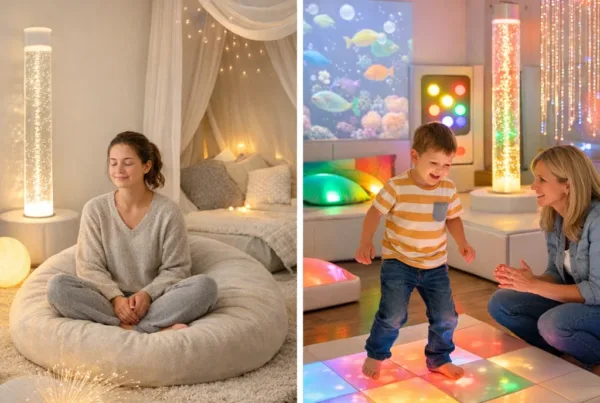
For a starter setup at home, I often recommend a small, calming corner rather than a full room. This might include a weighted blanket, soft floor mats, a dimmable sensory LED light, and one tactile basket with safe textures. In a school space, I may add wall-mounted visuals, a movement seat, and a clear timetable so pupils know what to expect. In a therapy room, I might include suspended equipment and cause-and-effect tools, but only if staff are trained to use them correctly.
If you are new to sensory room planning, it can help to understand how specialist spaces developed and why purpose matters. The background in the history and evolution of sensory rooms gives useful context for making better design decisions today.
Choosing the right sensory inputs
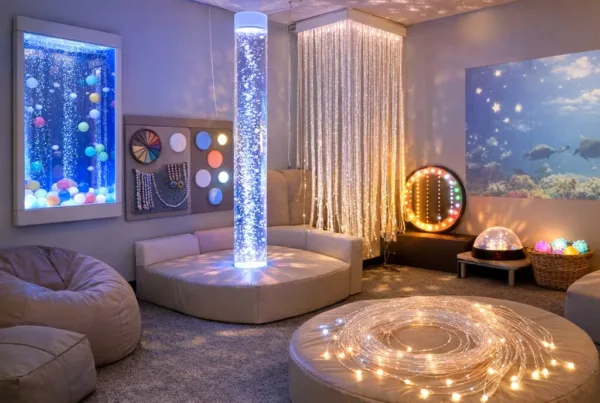
Every sensory room should have a reason for each element. I discourage “equipment dumping,” where a room becomes crowded with glowing, noisy, moving products that compete for attention. One high-quality source of visual tracking, one strong tactile station, and one calming seating option often work better than ten disconnected features.
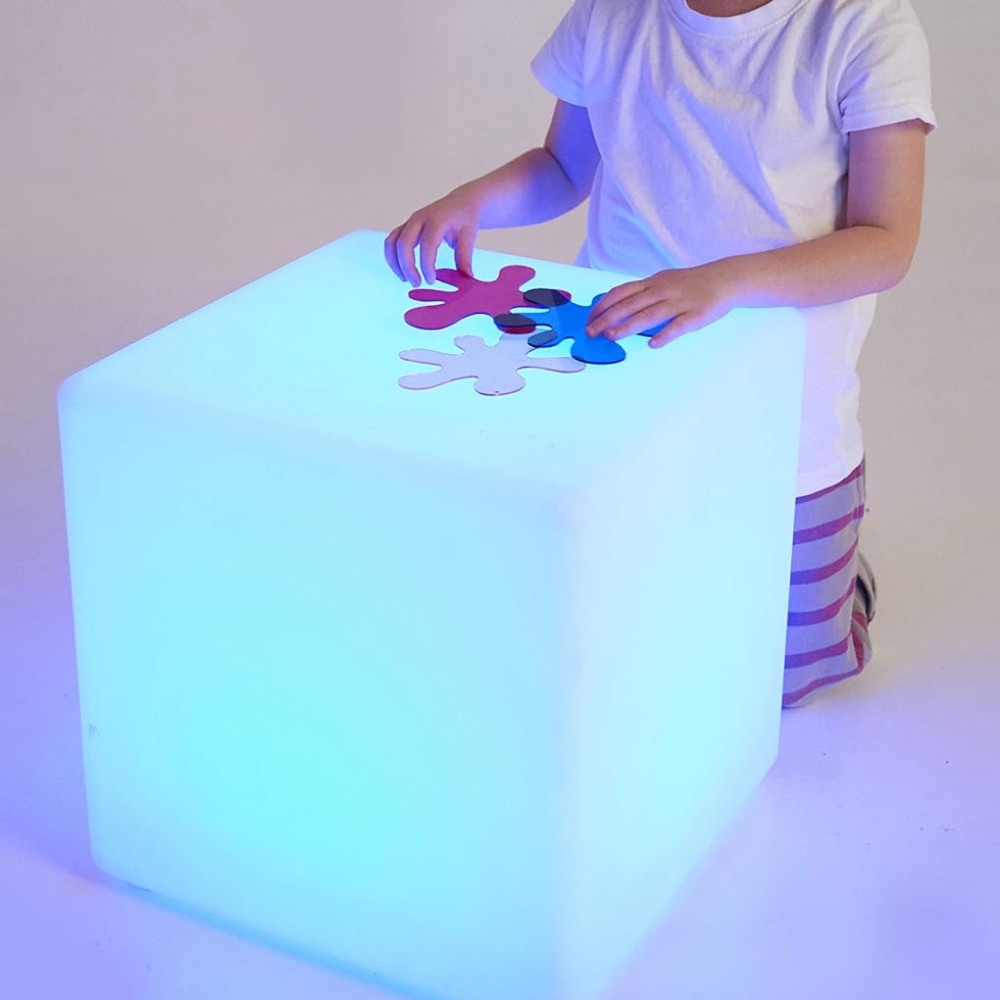
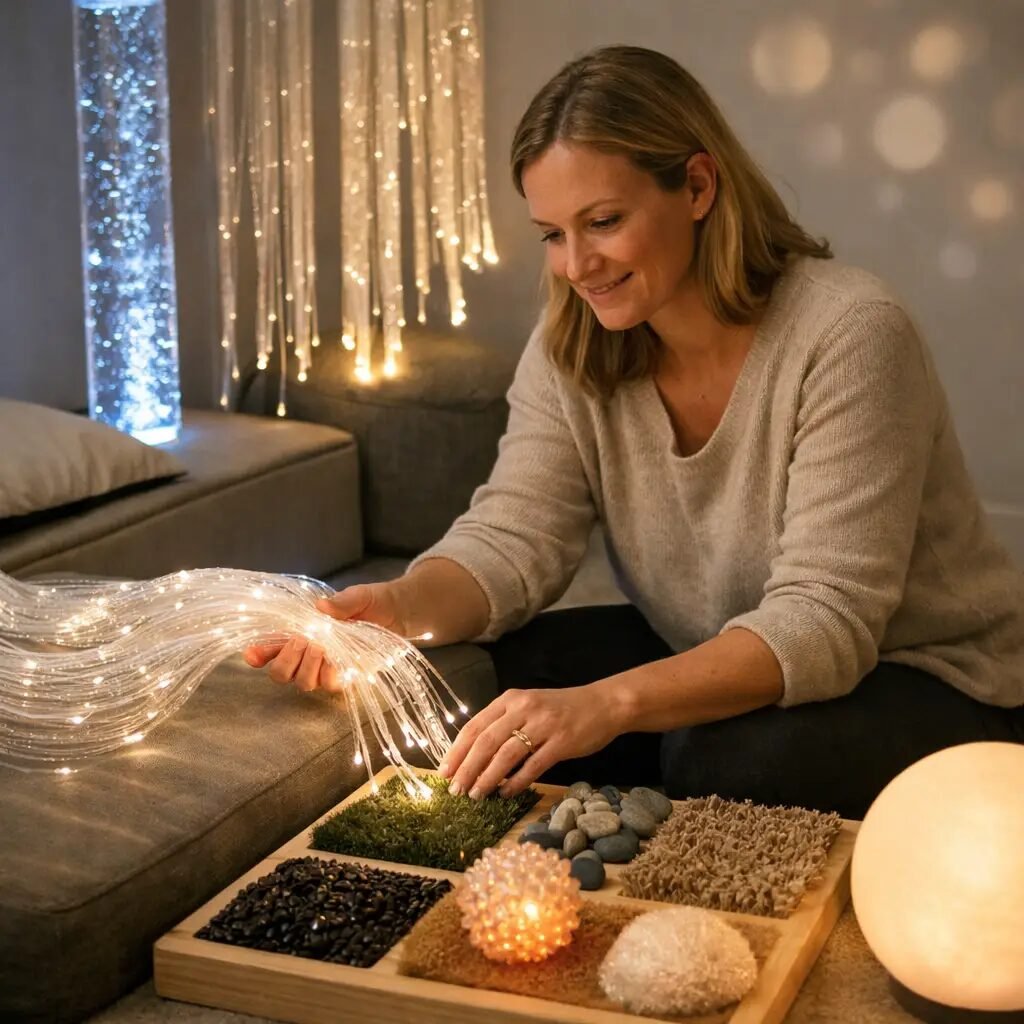
For visual stimulation, think about contrast, movement speed, and whether the person is attracted to or overwhelmed by light. A sensory bubble tube can provide slow, predictable movement and visual focus, but it needs careful placement. If it is too central in a busy classroom, it can distract rather than regulate. For tactile input, offer clear differences in texture rather than many similar surfaces. For proprioceptive input, use heavy work, resistance, compression, or deep pressure in safe ways.
Sound, touch, movement, and proprioception
Auditory stimulation should be chosen with extra care. Many people with autism or sensory processing difficulties struggle with layered background sound. I prefer one controllable sound source, such as slow instrumental music or a low-volume nature track, rather than multiple toys making noise at once. If the person has hearing impairment, vibration and resonance may be more noticeable and meaningful than melody itself.
Movement can be highly regulating, especially for children with ADHD or vestibular-seeking profiles, but it must be dosed carefully. Linear movement, like gentle rocking, is often calming. Fast spinning can become dysregulating very quickly. This is one reason I often suggest adding simple seating such as a bean bag chair or rocker before moving to more advanced equipment. Body-based input should improve organisation, not leave the person more chaotic.
Common mistakes I see in sensory room design
The most common mistake is over-stimulation. Parents and professionals understandably want the room to feel special, so they add bright colours, music, projectors, scented products, tactile walls, and active seating all in one area. The result is often confusion, avoidance, or frantic behaviour. A sensory room should feel intentional, not crowded.
Another mistake is copying a setup from social media without considering the user. A room that works beautifully for one autistic child may be entirely wrong for another. I once reviewed two school sensory spaces created from the same shopping list. In one room, staff used low lighting, short sensory breaks, and clear routines, and pupils self-regulated well. In the other, children entered freely without structure, all equipment stayed switched on, and staff reported escalated behaviour. The difference was not the products. It was planning and use.
How to avoid poor sensory setups
Start small and test. Do not buy expensive equipment before you know whether the person finds visual tracking soothing, auditory input aversive, or tactile play engaging. Keep equipment grouped by function, such as calm, movement, or exploration zones. Use neutral wall colours where possible so the sensory tools stand out without visual clutter. Most importantly, train everyone who uses the room to follow the same principles.
I also recommend regular reviews. Sensory preferences change with age, health, fatigue, and life stage. A child who once loved bright lights may later prefer low visual input and more deep pressure. An older adult with dementia may respond differently depending on time of day. Good sensory design evolves with the person.
Practical recommendations for different users
For autistic individuals, I usually focus on predictability, control, and escape from overload. Dimmable lights, enclosed seating, clear transition cues, and tactile or proprioceptive tools often work well. For children with ADHD, movement and body feedback are often more useful than purely visual features. They may benefit from short guided sensory breaks with resistance bands, movement paths, and task-linked sensory input rather than passive viewing alone.
For individuals with dementia, familiar sensory cues matter far more than novelty. I favour warm lighting, familiar music, memory-linked objects, textured blankets, and calming scents only if tolerated. For visual impairment, use tactile landmarks, audio cues, and strong contrast. For hearing impairment, include vibration, movement, texture, and visual cause-and-effect. If you are planning a wider sensory space strategy, the guidance on the benefits of sensory rooms can help you connect design choices to real outcomes.
One statistic I often share with schools is that autism affects around 1 in 100 people, according to the World Health Organization, and sensory processing differences are common within that group. That alone should encourage us to stop treating sensory support as a niche add-on. It is part of accessibility. You can read more from the WHO here: World Health Organization autism fact sheet. For broader developmental information, the CDC overview is also useful: CDC autism information.
How to observe whether sensory stimulation is helping
The best measure of success is not whether the room looks impressive. It is whether the individual shows improved comfort, engagement, and regulation. I advise parents and staff to observe before, during, and after sensory use. Are breathing and body tension changing? Is the person able to attend for longer? Are transitions easier? Is there less self-injury, pacing, or shutdown?
Keep a simple record for two weeks. Note time of day, sensory tools used, duration, and response. Patterns appear quickly. You may find that deep pressure before homework helps, while visual stimulation before bed does not. You may notice that a child uses a tactile panel to settle only when the room is quiet. This kind of practical tracking leads to far better sensory planning than relying on guesswork.
Frequently Asked Questions
What is sensory stimulation for sensory impairments?
Sensory stimulation is the planned use of touch, sound, light, movement, smell, or body-based input to help a person notice and process sensory information more effectively. For individuals with sensory impairments, it can support regulation, learning, orientation, and emotional wellbeing.
Why is sensory stimulation important for autistic people?
Many autistic people experience sensory input more intensely, less intensely, or unevenly across different senses. The right sensory stimulation can reduce overload, support self-regulation, improve focus, and make everyday environments feel safer and more manageable.
How do I know if a sensory room is helping?
Look for changes in regulation, engagement, and recovery. Helpful signs include calmer breathing, longer attention, reduced distress, better transitions, and clear preferences for certain sensory tools or activities.
What are the best sensory room items for beginners?
Start with a few versatile basics rather than filling the room. A weighted item, soft seating, dimmable lighting, and one or two tactile or visual tools usually provide a strong foundation without causing overload.
Can sensory stimulation help people with dementia?
Yes, gentle and familiar sensory stimulation can be very supportive for people with dementia. Music, comforting textures, warm lighting, and memory-linked objects can reduce agitation and improve comfort and connection.
What is the difference between good and bad sensory stimulation?
Good sensory stimulation is personalised, controlled, and matched to the person’s needs and goals. Bad sensory stimulation is too intense, too random, or poorly timed, which can increase stress, confusion, or dysregulation.
Should a sensory room be stimulating or calming?
It can be either, but it should be purposeful. Some individuals need alerting input to engage, while others need calming input to regulate. The best sensory rooms make it possible to adjust the input based on the person and the moment.
Sensory stimulation is most powerful when it is used with intention, observation, and respect for the individual’s nervous system. In my experience, the best sensory spaces are not the most expensive or elaborate ones. They are the ones that help a person feel safer in their body, more connected to their environment, and more able to take part in everyday life.