Table of contents
Incorporating sensory rooms in occupational therapy gives children and adults a safe, structured space to regulate arousal, practise functional skills, and build tolerance for sensory input in a way that supports everyday participation. When planned properly, sensory rooms become more than calming spaces; they act as therapeutic environments where occupational therapists can assess responses, grade activities, and help clients carry regulation strategies into home, school, and community life.
Across autism, ADHD, sensory processing differences, learning disabilities, and even dementia care, well-designed sensory environments consistently work best when they are purposeful rather than overloaded. Effective occupational therapy sensory rooms are built around individual needs, measurable goals, and practical routines, not simply attractive equipment.
Highlights
- Sensory rooms in occupational therapy support regulation, attention, motor planning, and participation when matched to clear therapy goals.
- The most effective rooms are zoned, adaptable, and designed around the user’s sensory profile rather than trends or aesthetics.
- Lighting, seating, tactile tools, and movement equipment should be selected for function, safety, and ease of grading.
- Home, school, and clinic sensory rooms each need different layouts, staffing plans, and usage rules to work well.
What sensory rooms do in occupational therapy
A sensory room in occupational therapy is a dedicated environment designed to provide controlled sensory input, reduce overwhelm, and support therapeutic goals through movement, touch, visual input, sound, and opportunities for regulation. In practice, that means the room is not the therapy itself; it is a tool that helps the therapist deliver therapy more effectively.
Occupational therapists use sensory rooms to help clients improve functional outcomes such as attention in class, transitions between tasks, emotional regulation, body awareness, tolerance of self-care routines, and the ability to remain engaged in everyday occupations. For one child, the room may be used before handwriting to improve postural readiness. For another, it may provide a calm environment to practise dressing sequences after a dysregulating school morning. For an adult with dementia, it may reduce agitation and support orientation when the wider environment feels confusing.
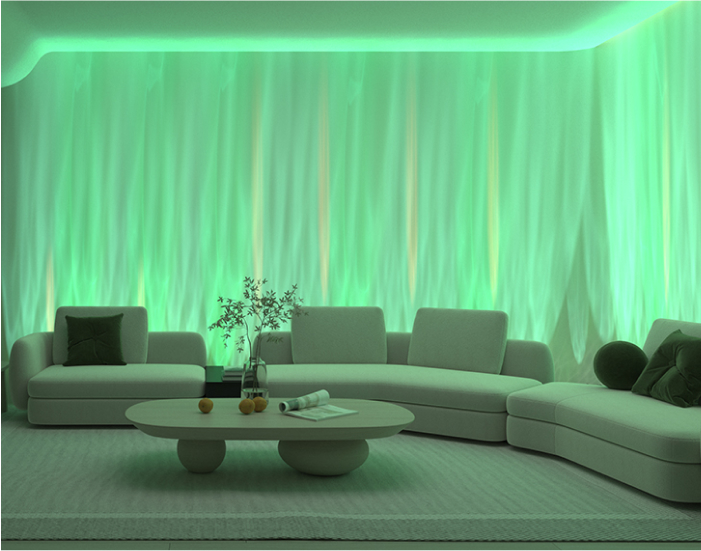
This distinction matters. A room filled with bubble tubes, glowing lights, and soft seating may look impressive, but if it has no therapeutic intent, it can become a passive retreat or, worse, a source of overstimulation. Occupational therapy works best when each element in the room has a purpose: to alert, calm, organise, motivate, or support graded exposure.
Evidence supports the need for careful planning around sensory environments. The National Autistic Society notes that many autistic people experience hyper- or hypo-sensitivity to sound, light, touch, taste, or movement, which can significantly affect daily functioning and wellbeing according to its guidance on sensory differences. In schools, the CDC also reports that ADHD symptoms can interfere with learning, behaviour, and social functioning, making regulation supports highly relevant in educational therapy settings through its ADHD overview.
Why sensory rooms work when they are linked to occupational therapy goals
The strongest sensory room outcomes appear when therapists start with function, not equipment. Before any purchase is made, the therapist should ask: what is limiting participation, what sensory patterns are present, and what change should this room make possible? The answer might be improved transition into class, reduced self-injurious behaviour during waiting times, or increased tolerance for grooming tasks.
For example, a child who constantly seeks movement and crashes into furniture may benefit from a room zone that offers heavy work, linear movement, and body boundary activities before seated tasks. By contrast, a child who covers their ears, avoids visual clutter, and becomes distressed by sudden noise may need a low-arousal regulation space with muted lighting, acoustic control, and predictable routines. Both children need a sensory room, but not the same one.
In school settings, good practice links room use to specific targets in an occupational therapy programme or education plan. If a pupil is entering the room every day with no timing, no staff strategy, and no progression plan, the space can quickly become a place of escape rather than a place of growth. Effective use involves short, intentional sessions, visual structure, and review of what helps the child return successfully to learning.
A useful comparison is this: a poor sensory setup is equipment-led, noisy, and reactive, often used only once behaviour has escalated. An effective setup is outcome-led, predictable, and proactive, used to prepare the nervous system before daily demands become too much. That difference often determines whether the room supports long-term skill development or simply offers temporary relief.
Planning a sensory room for therapy outcomes
Start with assessment
Every successful sensory room begins with observation and assessment. Occupational therapists should gather information about triggers, calming strategies, sensory preferences, communication style, motor abilities, safety risks, and the demands of the person’s daily environment. Families and teachers often provide the most useful details, such as whether the individual seeks tight spaces, avoids touch, or becomes unsettled by flickering light.
This information should then be translated into practical room requirements. A person with vestibular seeking behaviours may need secure movement options and strong proprioceptive opportunities. Someone with trauma history or extreme sensory defensiveness may need control over entry, lighting, and proximity to others. For clients with dementia, cues that promote familiarity and gentle sensory engagement usually work better than heavily stimulating visual effects.
Define the room’s primary purpose
One of the most common design mistakes is trying to make one room do everything. A room that aims to be a calm cocoon, active movement gym, teaching space, and multisensory theatre all at once usually performs none of these roles well. Occupational therapists should decide whether the room’s primary purpose is regulation, alerting input, assessment, skill-building, de-escalation, or a combination of two carefully zoned functions.
Clear purpose guides every later decision, including flooring, storage, lighting control, and staffing. In a therapy clinic, the room may need flexibility because different clients use it throughout the day. At home, a simpler calming and organising space may be more sustainable. In schools, the room often works best when split into a quiet regulation zone and an active sensory circuit zone.
Zone the space
Zoning is one of the most practical ways to improve therapeutic effectiveness. Rather than treating the room as one open area, divide it into sections with distinct sensory functions. Typical zones include a calm-down area, a movement area, a tactile exploration area, and a transition or waiting area. Even in small rooms, visual boundaries created with rugs, seating positions, wall colour, or shelving can make the space more predictable.
Many planners find it helpful to review examples of technology used in sensory rooms when choosing which sensory channels to support without overfilling the room. Technology should be used selectively. It should enhance control and engagement, not dominate the therapy process.
Step-by-step setup advice for parents, schools, and therapists
A practical setup process helps prevent costly mistakes and produces a room that staff and families can use confidently.
Step 1: Control the sensory basics first
Before adding specialist equipment, address the room itself. Harsh fluorescent light, echoing walls, cold flooring, or visible clutter can undermine even the best sensory tools. Begin by improving dimmable lighting, reducing noise, managing temperature, and creating tidy storage. Neutral wall colours often provide a better base than busy murals, especially for users who are visually sensitive.
This is where designers frequently save money for families and schools. Investing in environmental control often matters more than buying another glowing feature. A low-stimulation room with one or two well-chosen tools can outperform an expensive but chaotic installation.
Step 2: Choose one core piece for each sensory purpose
Rather than filling the room quickly, select equipment by function. For tactile regulation, a simple resource such as Playfoam Pluffle Twist Black & White can support fidgeting, tactile discrimination, and calm hand activity without adding noise. Tactile tools are often most effective when kept in lidded containers and introduced with clear expectations for use and cleanup.
For visual regulation, soft controllable lighting usually works better than fast-changing effects. Seating should create containment and posture support. Movement equipment, if used, should match body size, motor planning abilities, and supervision levels. In occupational therapy, “less but better matched” almost always beats “more but less controlled.”
Step 3: Build in routine and choice
Once equipment is in place, create a simple sequence for room use. This might include choosing a visual card, engaging in one regulating activity, completing a functional task, and transitioning out. The room should not feel random. Structure helps the nervous system anticipate what comes next and reduces conflict when it is time to leave.
Choice is still important, but it should be limited and meaningful. Offering two calming options rather than ten prevents overwhelm. In therapy sessions, the therapist can gradually teach the person to identify which type of input helps at different times, building self-awareness alongside regulation skills.
Essential features of an effective occupational therapy sensory room
Several design features consistently improve how sensory rooms function in real settings. First is controllability. Lights, sound, visual movement, and access to equipment should be easy for staff to adjust quickly. When environments can be graded from low to high input, therapists can shape responses rather than simply observe them.
Second is safety and durability. Equipment should be appropriate for the age, strength, and movement profile of the people using the room. Soft furnishings may look inviting, but if they block safe movement or are difficult to clean, they create practical problems. In busy schools and clinics, wipeable surfaces and secure storage matter just as much as sensory appeal.
Third is flexibility. A room that suits only one sensory profile will not serve a mixed caseload well. Modular resources, moveable seating, and adjustable lighting allow one room to support both calming and alerting work across the day. Those planning broader layouts may find inspiration from Sensory Room Planner, especially when comparing room types across therapy and education environments.
Finally, the room should support transfer of skills. If a child learns to regulate only inside a dark room with specialist music and glowing lights, that strategy may not transfer to a classroom or family bathroom. Good therapy uses the room as a bridge, gradually linking sensory support to the places where daily life happens.
Adapting sensory rooms for autism, ADHD, SPD, and dementia
Autistic users often benefit from predictability, sensory control, and reduced ambiguity. That may mean clear entrances and exits, consistent placement of equipment, visual schedules, and the option to lower visual and auditory input rapidly. Some autistic children seek intense pressure and movement, while others need minimal input and strong personal space. A room cannot assume one “autism-friendly” formula; it must respond to the individual.
For ADHD, the room may be used less as a retreat and more as a preparation space. Alerting movement breaks, heavy work, and brief structured circuits can improve readiness for seated tasks. Staff should avoid letting the room become an unstructured reward for leaving class. Intentional timing before difficult lessons or transitions is usually more effective.
With sensory processing disorder, occupational therapists often use the room to test and refine what type, intensity, and duration of sensory input supports functional regulation. A tactile seeker may manage better after brief heavy work before tactile play. A vestibular-sensitive child may need gradual exposure with feet grounded and movement carefully paced. This is where therapeutic grading matters most.
For dementia care, sensory rooms tend to work best when they are gentle, familiar, and reassuring. Strong contrasts, flashing effects, or unpredictable sound can increase confusion. Soft lighting, calming textures, familiar music, and reminiscence prompts often create more meaningful engagement. The principles are different from paediatric sensory spaces, but the goal is similar: support emotional regulation and participation.
Common mistakes and how to avoid them
The most frequent mistake is overstimulation. Designers sometimes assume that more lights, more colour, and more equipment will create a richer sensory experience. In reality, many users need simplified input. If the room feels busy on entry, start removing items until the space feels calm and purposeful again.
Another mistake is poor staff training. Even well-designed rooms fail when adults use them inconsistently. One staff member may treat the room as playtime, another as punishment, and another as crisis-only provision. A simple written protocol should cover who uses the room, when, for how long, with what goals, and how outcomes are recorded.
Rooms also fail when there is no transition strategy. Many meltdowns happen not in the room but when leaving it. Visual timers, first-then boards, a clear final activity, and a linked next step reduce friction. If transitions remain difficult, the room routine may need shortening or the outside environment may require more support.
A final issue is buying fashionable equipment without checking therapeutic value. Before any item is purchased, therapists and families should ask: what sensory system does this target, what response is expected, how will it be supervised, and can the outcome be observed? If those questions cannot be answered, the resource may not belong in the room.
Making sensory rooms work across home, school, and clinic settings
At home, the best sensory rooms are often the simplest. Families usually benefit from a corner, spare bedroom, or screened area with strong routine, minimal clutter, and a few dependable tools. A calm chair, soft lighting, tactile resources, and visual supports can have more value than a full multisensory installation. Home spaces should be easy to reset, easy to supervise, and realistic for everyday use.
In schools, access and scheduling become central. A sensory room used by many pupils needs booking systems, staff training, cleaning protocols, and clear data collection. It should not become a holding space for distressed students without therapeutic direction. When schools use the room proactively before known pressure points such as assembly, lunch, or handwriting lessons, outcomes are usually stronger.
Within clinics, therapists can be more precise with grading and assessment. Sessions may combine sensory room input with direct occupational therapy tasks such as fine motor work, self-care practice, social interaction, or emotional identification. This integration is crucial. The room should feed into occupation-based therapy, not sit apart from it.
Those comparing layouts for different settings may also find technology choices in sensory rooms useful when deciding what belongs in a clinic versus what is practical for schools or homes.
Measuring whether the sensory room is helping
Occupational therapy should always be able to answer whether an intervention works. Sensory room use is no exception. Progress can be measured through reduced time to settle, improved transition into class, longer tolerance of self-care tasks, fewer incidents of distress, increased communication about sensory needs, or better engagement in meaningful occupations.
Simple tracking tools are often enough. Staff can record what input was used, for how long, what the person’s state was before and after, and whether the intended task was completed more successfully. Parents can note sleep, dressing, school readiness, or mealtime tolerance if the room is used at home. Patterns become clearer when data is gathered consistently for several weeks.
The most valuable measure is transfer. If a person becomes calmer in the room but not outside it, the therapy plan should change. The ultimate aim is not dependence on the room; it is improved participation in daily life with increasing independence and self-awareness.
Frequently Asked Questions
What is the purpose of incorporating sensory rooms in occupational therapy?
The purpose is to provide controlled sensory input that helps a person regulate, engage, and practise functional skills. Occupational therapists use sensory rooms to support outcomes such as attention, transitions, motor planning, self-care, and emotional regulation.
Are sensory rooms only for autistic children?
No. Sensory rooms can support autistic people, individuals with ADHD, sensory processing disorder, learning disabilities, trauma-related regulation needs, and adults with dementia. The design and activities should always be tailored to the person rather than a diagnosis alone.
What should be included in an occupational therapy sensory room?
An effective room usually includes controllable lighting, supportive seating, tactile resources, clear zoning, and a small number of well-chosen movement or regulation tools. The exact equipment should be based on assessment and therapy goals, not trends.
How can a school avoid overstimulating pupils in a sensory room?
Schools should keep the space uncluttered, use adjustable lighting, reduce noise, and limit how many sensory elements are active at once. A structured routine and staff training also prevent the room from becoming chaotic or unpredictable.
Can a sensory room be created at home without a large budget?
Yes. A home sensory space can be as simple as a quiet corner with soft lighting, comfortable seating, tactile tools, and visual supports. Consistency, sensory control, and predictable use matter far more than expensive equipment.
How long should a sensory room session last in occupational therapy?
The right length depends on the individual’s needs and the purpose of the session. Many effective sessions are brief, often 5 to 20 minutes, especially when used before a targeted task or transition.
How do therapists know if a sensory room is working?
They look for measurable changes in function, such as quicker settling, better participation, smoother transitions, and reduced distress. Tracking before-and-after responses and monitoring whether skills transfer beyond the room gives the clearest answer.