Table of contents
Involving the community in maintaining sensory rooms is one of the most effective ways to keep these spaces safe, relevant, well-used, and financially sustainable. When parents, educators, therapists, site staff, local businesses, and service users share responsibility, sensory rooms are more likely to reflect changing needs in autism, ADHD, dementia, and sensory processing support. Drawing on established sensory room design practice, the strongest maintenance models are those that treat the room as a shared resource rather than a one-off project.
A well-designed sensory room can quickly lose its value if equipment is neglected, staff confidence drops, or the space no longer matches the people using it. Community involvement solves that problem by spreading knowledge, creating accountability, and building long-term ownership around the room.
Highlights
- Community involvement keeps sensory rooms cleaner, safer, better funded, and more responsive to changing sensory needs.
- Shared maintenance works best when roles are clearly assigned to families, staff, therapists, volunteers, and local partners.
- Simple systems such as checklists, booking logs, training sessions, and repair reporting prevent most avoidable problems.
- Successful sensory rooms are maintained as living environments, not static installations.
Why community involvement matters in sensory room maintenance
A sensory room is not simply a room with calming lights and soft seating. In practice, it is a structured therapeutic environment designed to help users regulate arousal, improve attention, reduce distress, or safely explore sensory input. Maintenance, in this context, means much more than cleaning. It includes checking safety, replacing worn resources, reviewing sensory effectiveness, training users, and adapting the room as needs change.
That broader definition matters because many sensory rooms fail for predictable reasons. A school may install expensive bubble tubes, tactile panels, and projectors, but six months later staff stop using the room because the remote is missing, lamps are too bright for some pupils, equipment has become unreliable, and nobody is sure who is responsible for resetting the space between sessions. The room still exists, yet its therapeutic value has quietly declined.
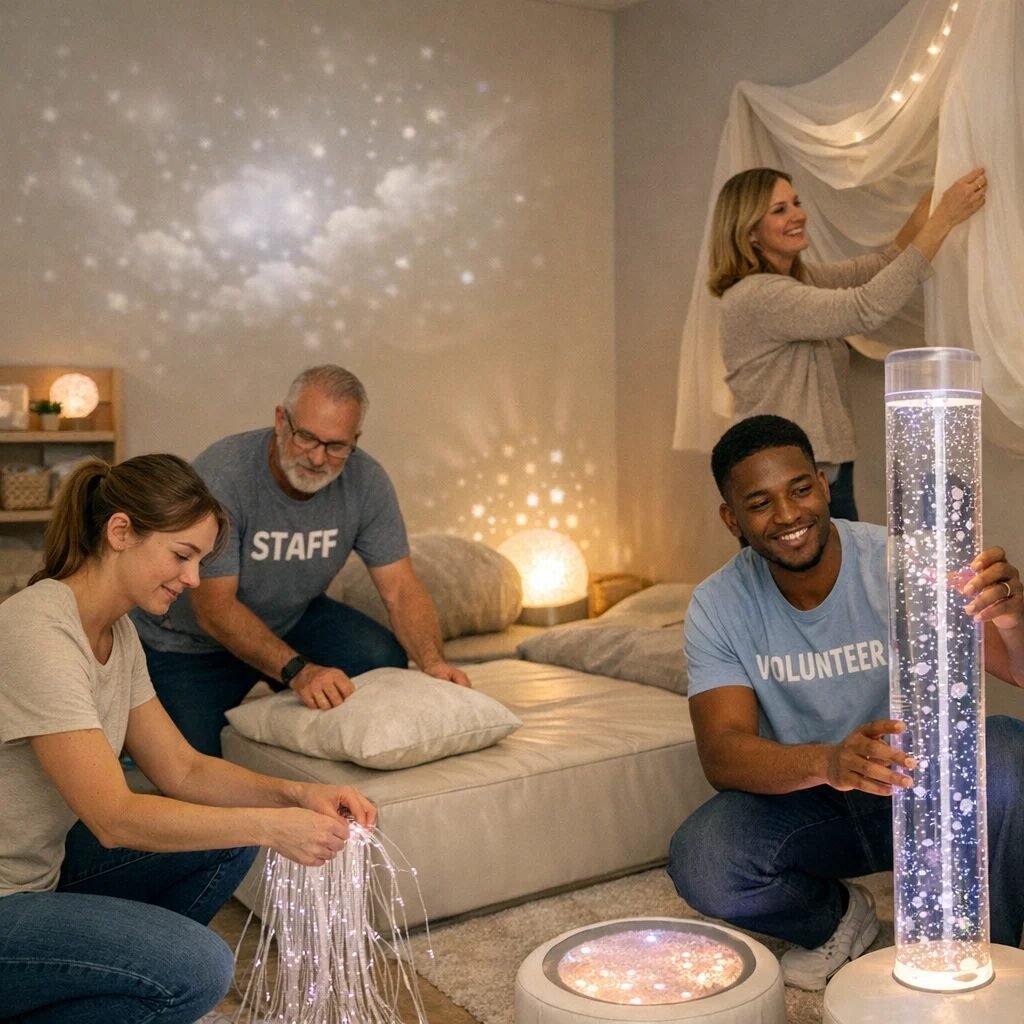
Community involvement prevents this drift. Parents often notice practical issues that staff miss, such as a favourite calming item disappearing or a sound source becoming irritating rather than soothing. Therapists can identify when a space is no longer meeting regulation goals. Premises teams can spot trip hazards, loose fixings, or electrical wear before a problem escalates. Volunteers and local groups can support fundraising, deep cleaning days, or supply replacement consumables.
There is also a strong emotional benefit. Shared care creates shared ownership. Families are more likely to respect booking systems and room rules when they have helped shape them. Staff are more likely to use the space confidently when they have a voice in its upkeep. Children and adults who rely on sensory spaces can contribute in age-appropriate ways too, such as choosing calming themes, helping organise portable tools, or identifying what feels comfortable and what does not. For a fuller understanding of how these environments support regulation, addressing emotional and behavioural needs through sensory rooms offers useful context.
Who should be involved in maintaining sensory rooms
Parents, carers, and family members
Families are often the most underused source of sensory insight. They know whether a child seeks movement before meals, avoids buzzing sounds, or responds better to dim side lighting than overhead lighting. In home, school, and clinic settings, that knowledge helps determine which items need frequent rotation, which should be removed, and which maintenance issues are affecting real outcomes rather than just appearance.
Practical family involvement can include joining review meetings once per term, reporting changes in sensory preferences, helping create cleaning-ready storage systems, and supporting donation drives for low-cost consumables. In a home sensory room, this might mean siblings learning a simple routine for returning weighted or tactile items to labelled baskets. In a school, it may mean a parent group organising a weekend refresh session to wipe furniture, sort fidgets, and test battery-powered equipment.
Educators, teaching assistants, and therapists
Daily users are essential because they see how the room performs under real conditions. Teachers know whether transition times are too long. Teaching assistants often know which tools are always missing. Occupational therapists and speech and language therapists can spot whether the room has become overstimulating, under-challenging, or poorly zoned for different regulation goals.
The most effective settings give staff a practical framework rather than vague responsibility. For example, one adult checks the room after the last session each day, another completes a weekly equipment test, and therapists review overall suitability monthly. That structure avoids the classic problem where everyone assumes someone else is in charge.
Site teams, volunteers, and local partners
Premises managers, caretakers, and cleaners should never be left out of sensory room planning. They understand safe installation, electrical protection, ventilation, surface cleaning, and repair escalation. A bubble tube that looks fine to teaching staff may have positioning or cable issues that a site professional spots immediately. If the room includes water, lighting, projection, or padded structures, maintenance oversight must include people with environmental safety knowledge.
Local businesses and community organisations can also make a real difference. Rotary clubs, charitable groups, tradespeople, colleges, and local employers often support schools and centres with materials, sponsorship, or skilled labour. A community sponsor might fund replacement lighting, while a volunteer team could assemble storage units or repaint adjacent corridor space to create a calmer transition into the room.
How to build a community maintenance plan
Step 1: assign clear roles
The first task is to decide who does what. A sensory room without named responsibilities usually deteriorates quickly. Every setting should assign a sensory room lead, a premises or safety contact, and at least one backup person. In larger schools or centres, a small working group often works best.
Roles should be specific. The sensory room lead manages usage rules, stock levels, and feedback. The site contact checks fixtures, cables, ventilation, and cleaning compatibility. A therapist or SEND coordinator reviews whether the room still meets user needs. Parent representatives can help with fundraising priorities and practical feedback. Clarity prevents small issues from becoming room-closing problems.
Step 2: create a simple maintenance schedule
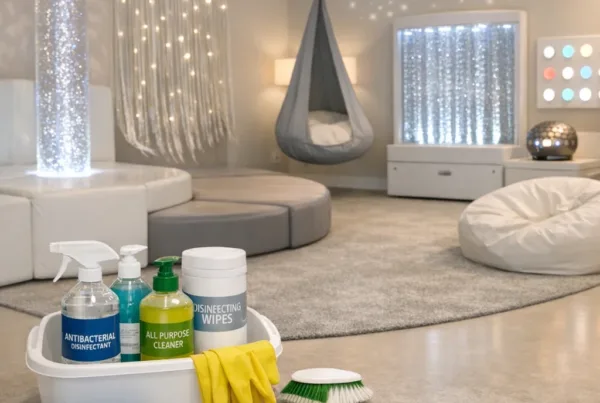
Maintenance systems should be easy enough to follow on the busiest day of the week. A daily reset might include wiping touchpoints, returning items to labelled zones, checking visible damage, and switching off devices correctly. A weekly routine can cover battery checks, remote controls, laundering soft furnishings, and checking whether liquid, light, or vibration items still function properly.
Monthly reviews should go deeper. That is the time to test all electrical items, inspect wall fixings, review booking patterns, and remove resources that are broken, too stimulating, or no longer developmentally appropriate. Annual reviews should assess whether the room still matches the population using it. A primary school sensory room designed for early years pupils may need notable changes if it is now mainly used by older autistic pupils with higher sensory seeking needs.
Step 3: document how the room should be used
Many maintenance problems are actually usage problems. Equipment gets damaged when users do not know limits, reset routines, or safe handling methods. A short room guide should explain who the room is for, how long sessions should last, how items are cleaned, how to report faults, and how to leave the room ready for the next person.
Visual systems help enormously. Labels, photos of correct setup, colour-coded storage, and a laminated closing checklist reduce confusion. In a school, a teaching assistant should not need to guess where tactile tools belong. In a therapy clinic, session staff should know exactly where to log a missing adaptor or a torn cushion cover. Small systems protect expensive equipment.
Practical ways the community can help day to day
Community support works best when it is woven into ordinary routines rather than saved for crises. One straightforward method is to run short orientation sessions for new parents, staff, and volunteers. These sessions can cover sensory room purpose, safe use of equipment, contraindications for specific users, and the reset routine. Ten minutes of guidance can prevent months of poor practice.
Another effective strategy is to create a “little and often” contribution model. A parent might donate washable cushion covers. A local printer may produce durable signage. A volunteer could organise fidget storage. A site team member might fix loose trim during scheduled maintenance rather than waiting for a formal repair call. These small acts keep the room functioning without constant major interventions.
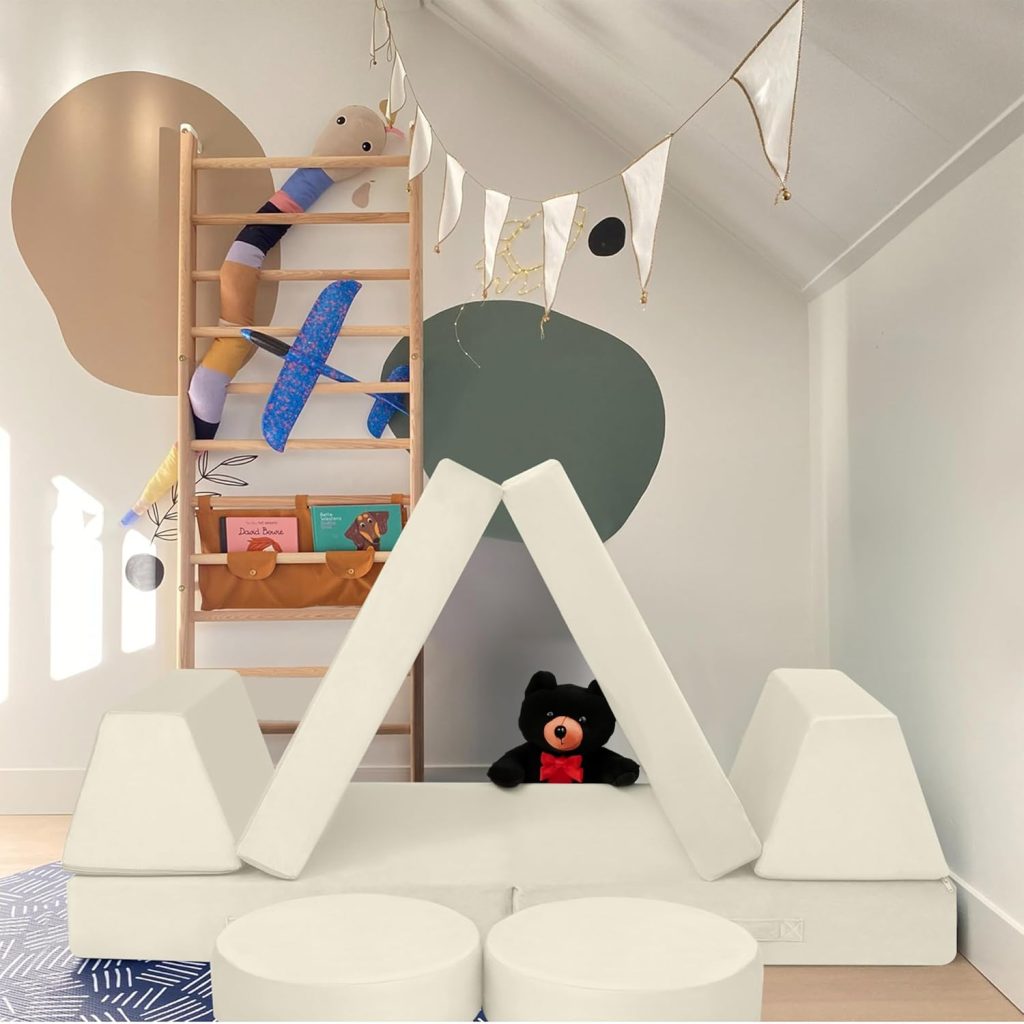
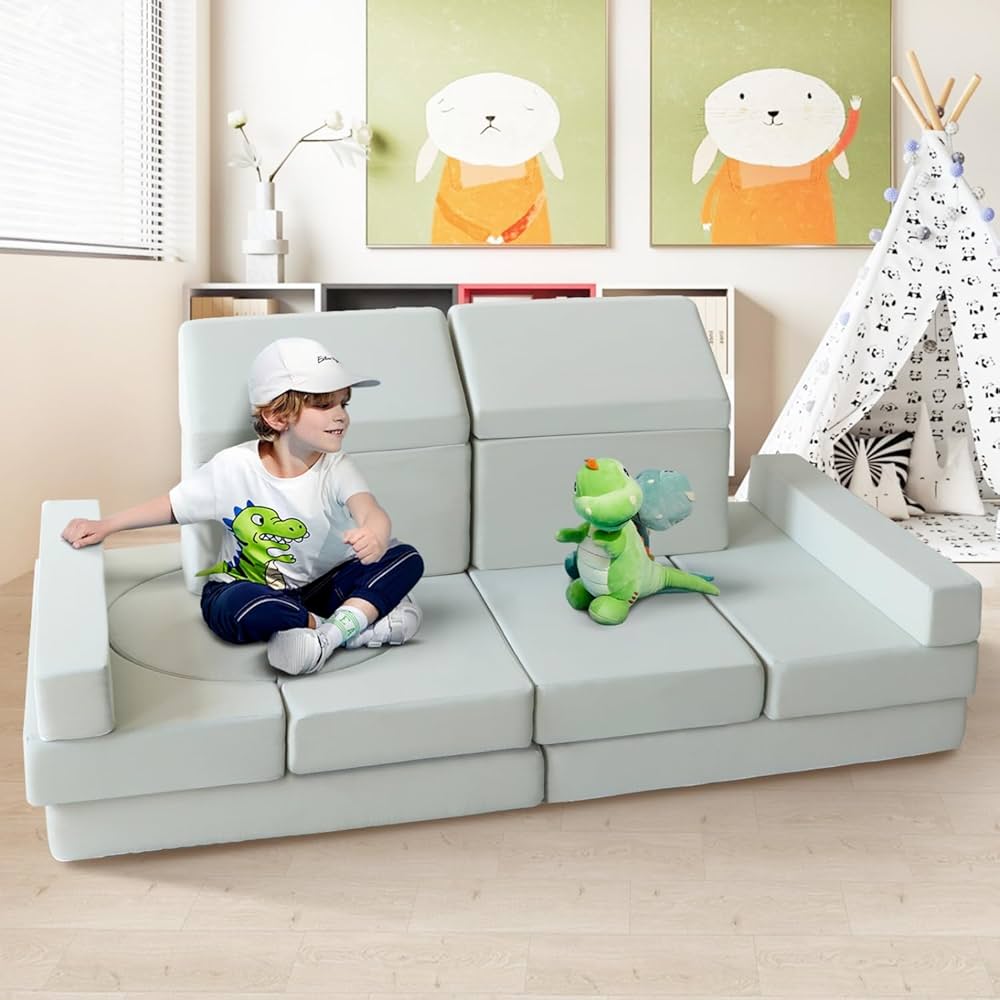
Product choices can also support easier upkeep. For example, portable, wipeable tools such as Schylling NeeDoh Nice Cube are easier for shared settings to monitor and replace than fragile novelty items with multiple detachable parts. For seating, washable modular options such as Kids Modular Play Sofa can be reconfigured for regulation, waiting, or family participation while remaining easier to clean and inspect than fixed upholstered furniture.
When the room needs a visual focal point, choosing equipment that is calming but straightforward to manage reduces long-term burden. A product such as the Bubble Tube Tank Vortex Tower can work well if responsibility for water checks, cleaning, and correct positioning is assigned from the start. Similarly, low-profile ambient options such as the Dynamic Wave Wall Light are often easier for staff and families to operate consistently than highly complex synced systems.
Matching maintenance to different sensory needs
Not all users experience a sensory room in the same way, so maintenance should never be one-size-fits-all. For autistic users, changes in noise level, brightness, smell, or visual clutter can have a significant impact. A room that is technically clean but cluttered with mismatched resources may feel dysregulating. Maintenance therefore includes protecting predictability: consistent layouts, familiar objects, and clear zoning.
For children with ADHD, maintenance may need to focus more on function and flow. If movement tools are hidden behind calming equipment, sessions can become frustrating rather than supportive. In these settings, community feedback often reveals bottlenecks quickly. Staff may report that children spend too long waiting for one item, while parents may suggest portable alternatives or rotation systems.
Dementia-friendly sensory spaces require another lens. Lighting must remain gentle and consistent, flooring must avoid visual confusion, and tactile materials should be comforting rather than ambiguous or startling. According to the NHS, around 944,000 people are estimated to be living with dementia in the UK, underlining the need for accessible, well-maintained supportive environments across care settings NHS dementia information. In these spaces, poor maintenance can directly affect orientation and emotional comfort.
For sensory processing differences more broadly, reviewing actual response is essential. A projector that one child loves may distress another. A dark den may calm one user and create anxiety for someone else. This is why community involvement matters so much: a therapist may observe physiological regulation, while a parent may notice that the same child later becomes overtired or agitated after certain types of sensory input.
Common mistakes and how to avoid them
One of the biggest mistakes is treating opening day as the finish line. A sensory room launch often gets energy, attention, and funding, while maintenance is left vague. The fix is simple: build maintenance into the launch itself. Before the room opens, there should already be cleaning guidance, fault reporting steps, and a named review team.
Another common mistake is overfilling the room. A poor sensory setup often tries to include every possible texture, light source, toy, and seating option. This creates clutter, inconsistent use, and more breakages. An effective setup uses fewer, higher-value items with clear purpose and easier upkeep. For example, a quiet regulation corner with a Sensory Tent and a single soft visual light may outperform a crowded room full of competing stimuli.
A third mistake is ignoring data from actual use. If one corner is never chosen, there is usually a reason. If fidgets disappear weekly, storage may be poor or the room may lack a checkout system. UNESCO reports that inclusive learning environments improve participation when barriers are actively removed rather than simply acknowledged UNESCO on inclusive education. The same principle applies here: maintenance should respond to barriers in real use.
Finally, many settings underestimate training. Research from the National Autistic Society shows that many autistic people experience significant sensory differences that affect daily life, making informed environmental support critical National Autistic Society guidance on sensory differences. Even excellent equipment will be underused or misused if adults are unsure when and how to use it.
Funding, replenishment, and sustainability
Community maintenance is also about financial sustainability. Sensory rooms need replacement bulbs, batteries, washable covers, spare tactile tools, and occasional upgrades. Rather than relying on emergency spending, successful settings use a small annual replenishment plan. This can be built through PTA fundraising, charitable donations, business sponsorship, or modest departmental budgeting.
Transparency helps. When families and local supporters know exactly what is needed, they are more likely to help. “Replacement batteries and wipe-clean sensory fidgets” is a more effective support request than “help the sensory room.” Posting a simple wish list at events or in newsletters creates practical pathways for involvement. Some schools also run adopt-an-area schemes, where one class or family group supports the reading corner, tactile shelf, or lighting zone.
It also helps to balance aspirational purchases with maintainable ones. An expensive installation may be worthwhile if usage is high and servicing is clear. In other cases, smaller modular resources offer better value because they can be cleaned, replaced, and adapted with less disruption. The best sensory rooms are not always the most expensive. They are the ones that remain functional and appropriate year after year.
Creating a culture of respect around the room
The strongest sensory rooms are cared for because the community understands their purpose. That means explaining that the room is not a reward room, dumping ground, or spare play area. It is a therapeutic or regulatory space that should be protected. Language matters here. When adults describe the room accurately and consistently, children and families are more likely to respect it.
Shared rituals reinforce this culture. Shoes off if appropriate. Lights reset after use. Items returned to labelled baskets. Faults logged immediately. Sessions ended with a calm transition. These habits may sound small, but they are central to long-term maintenance. They also model predictability, which benefits many autistic users and others with sensory regulation needs.
Community celebration can support this culture too. A noticeboard showing sensory room updates, thank-you messages to volunteers, or examples of improvements made from feedback reminds everyone that maintenance is active and valued. When people can see that their input leads to real improvements, they stay engaged for longer.
Frequently Asked Questions
How can parents help maintain a sensory room?
Parents can help by sharing sensory preferences, reporting problems, donating practical supplies, and joining review or refresh sessions. Their observations often highlight whether the room still feels calming, accessible, and relevant to the user’s actual needs.
Who should be responsible for sensory room maintenance?
A named sensory room lead should coordinate upkeep, but responsibility should be shared. Staff, therapists, site teams, and families all have different insights that improve safety, function, and consistency.
How often should a sensory room be checked?
Basic reset checks should happen daily, practical equipment checks weekly, and full reviews monthly. A larger suitability review should take place at least annually or whenever the user group changes significantly.
What is the biggest mistake in maintaining sensory rooms?
The biggest mistake is assuming the room will look after itself once installed. Without clear routines, training, and accountability, even a well-funded sensory room can become cluttered, unsafe, or ineffective.
Can community volunteers help without specialist training?
Yes, if tasks are appropriate and clearly supervised. Volunteers can help with organising storage, cleaning non-specialist items, fundraising, assembling furniture, and preparing replacement resources, while specialist decisions remain with trained staff.
How does maintenance differ for autism-friendly sensory rooms?
Autism-friendly spaces often need stronger attention to predictability, visual clutter, noise control, and consistent layout. Maintenance should protect those features, not just the condition of equipment.
What should be on a sensory room maintenance checklist?
A useful checklist includes safety of fixtures and cables, cleanliness of surfaces and soft items, working lights and switches, stock of portable tools, room reset status, and a simple fault log. It should also note whether the room still matches current user needs.