Table of contents
Making sensory rooms sustainable and cost-effective means choosing equipment that lasts, reducing energy use, designing for flexibility, and only buying items that genuinely support regulation, engagement, or therapy goals. A well-planned room does not need to be filled with expensive gadgets; the most successful spaces are usually those that are durable, adaptable, easy to maintain, and matched closely to the needs of the people using them.
Professionals who build sensory environments for autistic children, learners with ADHD, adults with dementia, and individuals with sensory processing differences consistently see the same pattern: rooms become wasteful when they are overdesigned, underused, or packed with short-life products. Sustainable sensory rooms work better because they are intentional. They reduce clutter, lower running costs, and stay useful for years rather than months.
Highlights
- Sustainable sensory rooms focus on long-lasting, low-energy, multi-use equipment rather than high-cost novelty items.
- Cost-effective design starts with user needs, zoning, and clear outcomes before any purchases are made.
- Flexible layouts, washable materials, and repairable products reduce replacement costs over time.
- Simple choices such as LED lighting, second-phase buying, and better storage can significantly improve value.
What makes a sensory room sustainable and cost-effective?
A sustainable sensory room is a space designed to meet sensory needs while minimising waste, energy use, unnecessary spending, and avoidable replacement. In practice, that means selecting equipment with a clear purpose, choosing durable finishes, and creating a room that can adapt as users grow or needs change. Sustainability in this context is not only environmental; it also includes financial sustainability, meaning the room remains affordable to run, maintain, and update.
A cost-effective sensory room is not the cheapest room. It is the room that gives the best long-term value. That distinction matters. A low-cost item that breaks within six months is more expensive over time than a robust product used daily for five years. For schools and therapy settings, cost-effectiveness also includes staff time. If equipment is difficult to clean, awkward to switch on, or constantly needs troubleshooting, the real cost rises quickly.
For autistic users, people with sensory processing disorder, and learners with ADHD, predictability and consistency are often more valuable than novelty. A room with a few carefully chosen, reliable resources often outperforms a room filled with flashy equipment that overwhelms or distracts. In dementia settings, sustainability also means ensuring products are intuitive and calming, not confusing or visually chaotic.
Good design starts by asking three practical questions: who will use the room, what sensory outcomes are needed, and how often will the space be used? Those answers shape every smart spending decision that follows.
Start with needs, not products
The most expensive mistake in sensory room design is buying equipment before identifying the users and goals. Many rooms become cluttered because the planning process begins with catalogues instead of observation. Parents may buy glowing furniture because it looks therapeutic. Schools may choose expensive interactive items because they seem impressive during procurement. Yet if the child actually needs deep pressure, lower visual input, and predictable routines, those purchases may do little to help.
A stronger approach is to map users by sensory profile. One child may seek movement and proprioceptive input. Another may need a retreat space with low lighting and soft sound. A teenage learner with ADHD may benefit from active regulation tools and timed focus zones. An adult with dementia may respond best to familiar tactile textures, gentle lighting, and simplified cause-and-effect resources. This needs-led planning avoids waste and creates a room that is used consistently.
For home settings, this can be as simple as keeping a two-week diary. Record what helps with regulation, what causes overwhelm, what time of day support is needed, and which senses are involved. In schools and clinics, staff can use short observation checklists and review incidents of dysregulation, attention loss, or avoidance. When patterns are clear, spending becomes far more precise.
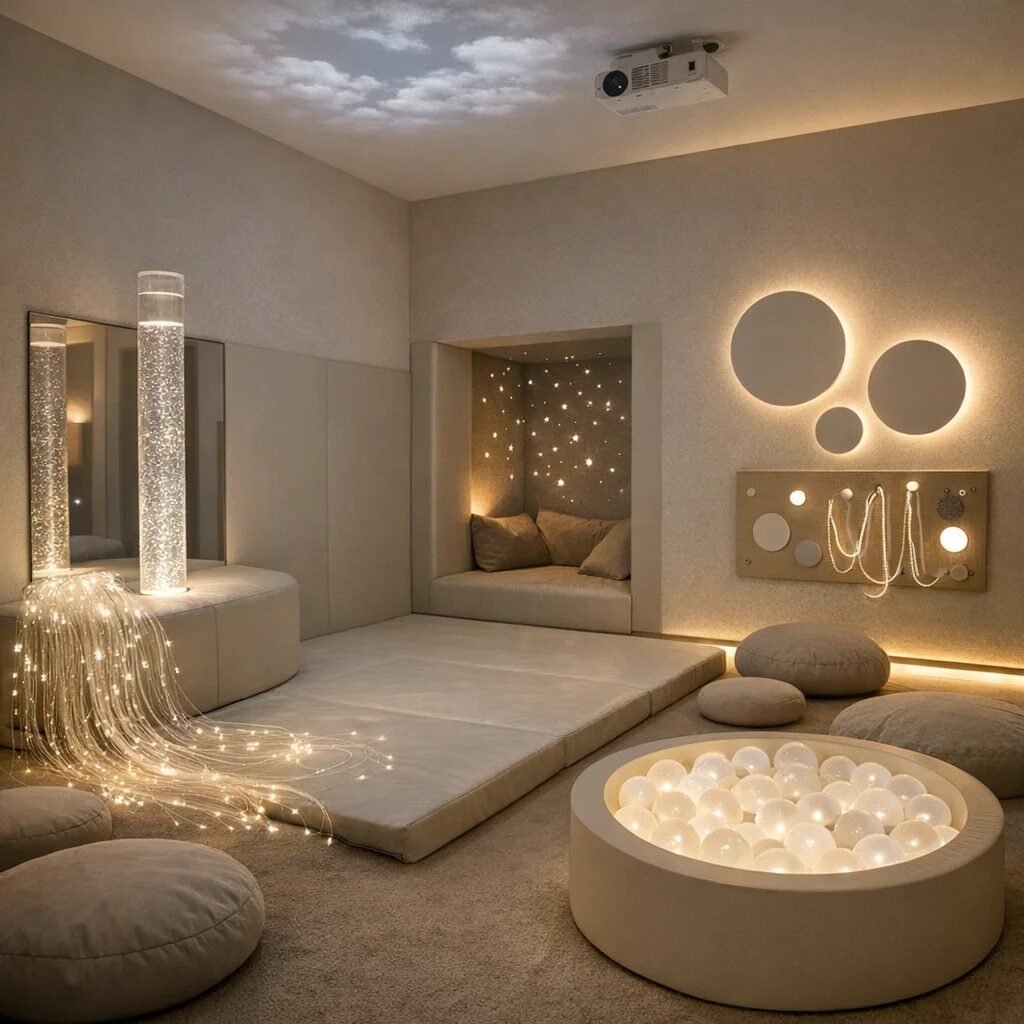
An effective room might contain dimmable light, a beanbag, a weighted lap pad, wall visuals, and one movement option because those tools match actual needs. A poor setup might include a projector, bubble tube, sound panel, neon strips, and mirrored surfaces with no understanding of whether the users find them calming, distracting, or distressing.
Plan the room in zones for flexibility and long-term use
Zoning is one of the most practical ways to keep a sensory room both affordable and sustainable. Instead of treating the room as one all-purpose area, divide it into clearly defined uses. Common zones include calm regulation, movement, tactile exploration, and focused activity. This structure allows one room to support several users or changing needs without constant redesign.
A calm zone might include soft seating, low lighting, acoustic reduction, and minimal visual clutter. A movement zone could use floor mats, balance tools, or a crash area if space allows. A tactile area may include baskets of textures or wall-mounted items rather than loose objects that go missing. A focus zone might include a small workstation, visual timer, and reduced distractions. Each zone should have a defined purpose and be easy to reset after use.
This approach is especially useful in schools where the same room may be used by autistic pupils, children with ADHD, and those needing emotional regulation after overload. In therapy settings, zoning makes transitions smoother and allows one practitioner to change the environment quickly between sessions. At home, even a small box room or spare corner can be zoned with rugs, furniture placement, and lighting rather than structural changes.
Flexibility reduces future costs. A room that can switch between quiet regulation and active sensory work does not need major refurbishment as the child grows. This is one reason modular, movable items often provide better value than fixed novelty features.
Choose durable, low-energy equipment first
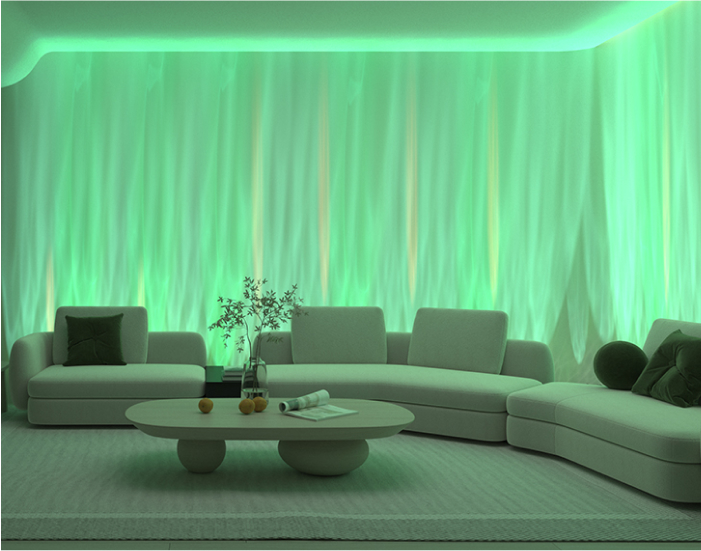
When budgets are limited, the first purchases should be the ones that deliver daily value at low running cost. Lighting is a good example. Harsh ceiling lights can make a room feel clinical, while energy-hungry decorative systems can increase costs. Soft, low-energy LED options are usually the most sensible choice because they consume less electricity and produce less heat. For gentle ambient light, LED Fairy Rope String Lights can create a softer environment than overhead lighting without driving up energy use.
Furniture should be assessed for strength, wipeability, and repair potential. Washable covers, stitched seams, replaceable parts, and commercial-grade surfaces usually cost more initially but save money. This is particularly relevant in school and therapy settings where multiple users increase wear and tear. Home users often benefit from the same principle, especially if a room is used daily for regulation, learning, and rest.
According to the Energy Saving Trust, LEDs use far less electricity than older lighting types and last significantly longer, which makes them a sound choice for therapeutic spaces that rely on controlled lighting effects according to the Energy Saving Trust. The sustainability gain is obvious, but the practical gain is just as valuable: fewer changes, lower maintenance, and better control over light levels.
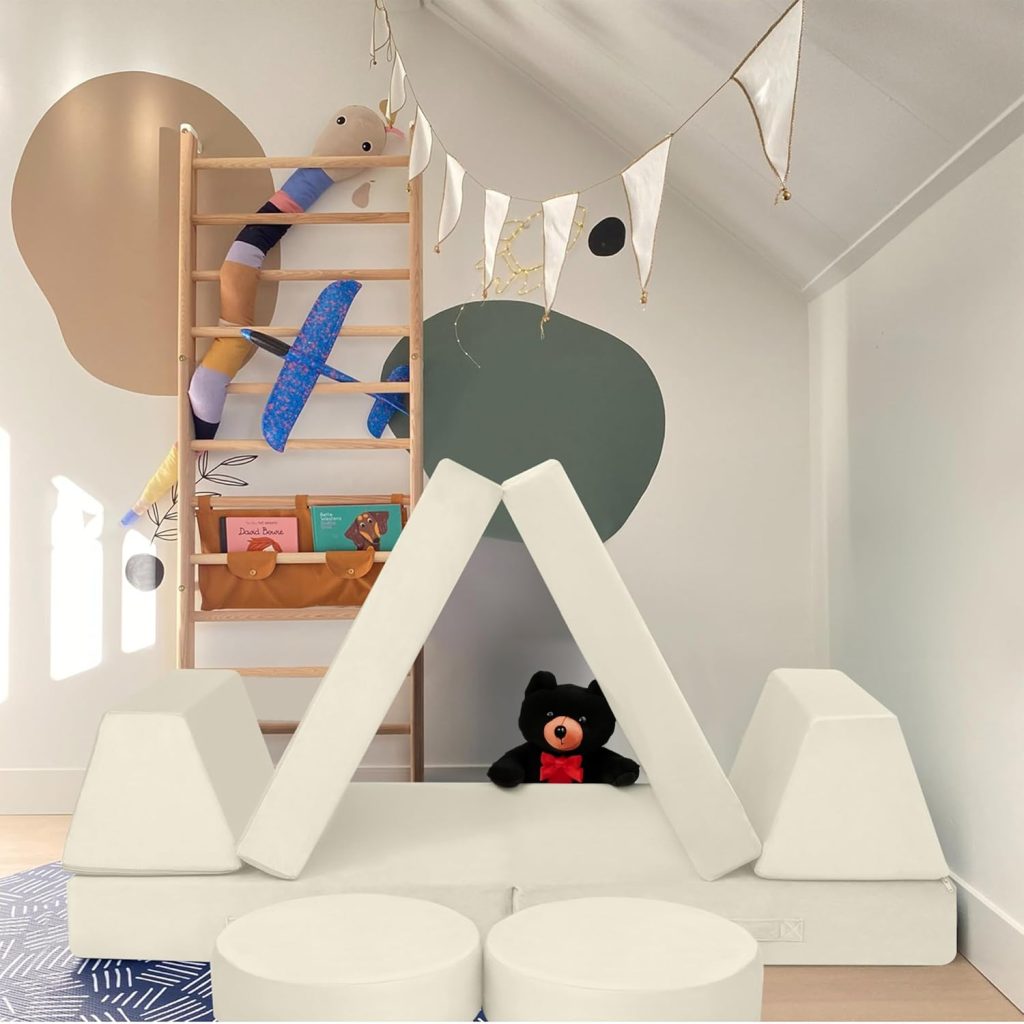
Another useful test is to ask whether a product serves more than one purpose. A padded mat may support movement breaks, floor work, and relaxation. A weighted item may help with seated focus, emotional regulation, or transitions. Multi-use tools stretch budgets far further than single-purpose gadgets.
Use a phased setup process instead of buying everything at once
One of the best professional strategies for controlling costs is phased implementation. Rather than trying to create a “finished” sensory room in one purchase cycle, set up the essentials first, observe usage, and add equipment in stages. This prevents costly mistakes and ensures that each new item has a proven role.
A sensible phase one usually includes lighting control, comfortable seating, acoustic softening, storage, and one or two key regulation tools. Phase two can add tactile resources, visual elements, or movement equipment based on observed response. Phase three might involve specialist additions for communication, therapy targets, or physical needs. This method is particularly effective in schools with annual budgets and in homes where families need to spread spending over time.
Step by step, the process looks like this:
- Assess sensory needs and write down 3–5 room goals.
- Measure the space and decide on zones before buying anything.
- Purchase core items that support daily regulation and are easy to maintain.
- Use the room for several weeks and track what is used most.
- Add only the items that solve a real problem or improve a clear outcome.
This staged approach also helps avoid emotional buying. Sensory products can be persuasive because they look engaging online, but real-world use often reveals that simple, familiar tools deliver better outcomes than expensive centrepieces.
Reduce running costs through smart environmental design
Running costs are often ignored during planning, yet they shape whether a sensory room remains practical. Energy, cleaning, repairs, and replacement all matter. A room that depends on several electrical items being switched on at once may look impressive but become too expensive or cumbersome for regular use. A room built around passive sensory support, such as texture, layout, seating, and light control, is usually more sustainable.
Acoustic treatment is one area where smart design can reduce reliance on electronic solutions. Thick curtains, rugs, upholstered seating, and wall softening can reduce echo and noise without needing sound machines all day. This is especially helpful for autistic users and people with sensory sensitivity who may find sudden noise distressing. For dementia environments, lowering noise can also reduce confusion and agitation.
Ventilation and temperature control matter as much as visuals. Rooms that become stuffy, too warm, or too cold are less usable and may require extra appliances later. Blackout blinds, breathable fabrics, and avoiding heat-producing equipment can improve comfort while keeping energy demand lower. The NHS has repeatedly highlighted the impact of sensory-friendly environments on wellbeing and engagement in care contexts, particularly where distress can be reduced through environmental adjustment through NHS guidance on care environments.
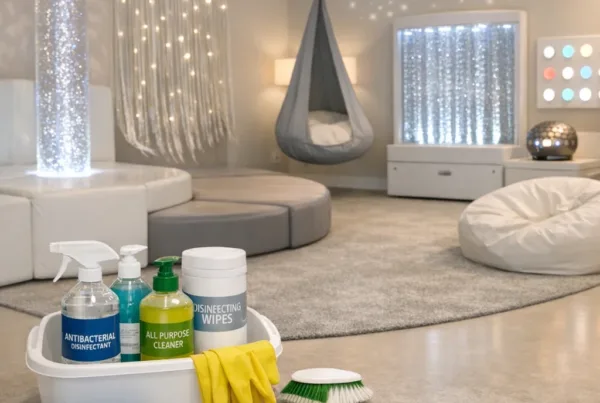
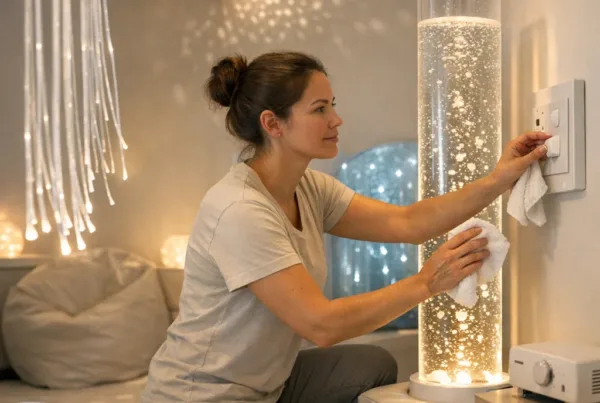
Easy-clean design is another cost saver. Open trays, wipeable storage boxes, machine-washable textiles, and clear labelling all reduce staff or family workload. If resetting the room takes twenty minutes after each use, people will use it less often. Good sustainable design supports everyday behaviour, not ideal scenarios.
Avoid common mistakes that waste money
A frequent mistake is overloading the room with visual stimulation. Too many lights, colours, reflective surfaces, and moving effects can make a space dysregulating rather than calming. For autistic users especially, this can increase stress and reduce the room’s therapeutic value. More equipment does not equal more benefit.
Another costly error is choosing products that are difficult to clean or too fragile for the setting. In schools, white furnishings and delicate finishes often age badly. In home settings, heavily textured items without washable covers can quickly become impractical. In therapy spaces, complicated equipment that staff are not trained to use often gets ignored.
Poor storage also increases waste. Loose sensory items become damaged, mixed together, or forgotten. When resources are not visible and organised, duplicates are often bought unnecessarily. A labelled storage system preserves equipment life and helps children or adults make independent choices.
One more mistake is designing for a diagnosis rather than for the person. Not every autistic child enjoys projected visuals. Not every person with ADHD needs bright stimulation. Not every adult with dementia benefits from multisensory effects. Sustainable design respects the individual profile rather than relying on assumptions.
Match the room to the setting: home, school, or therapy
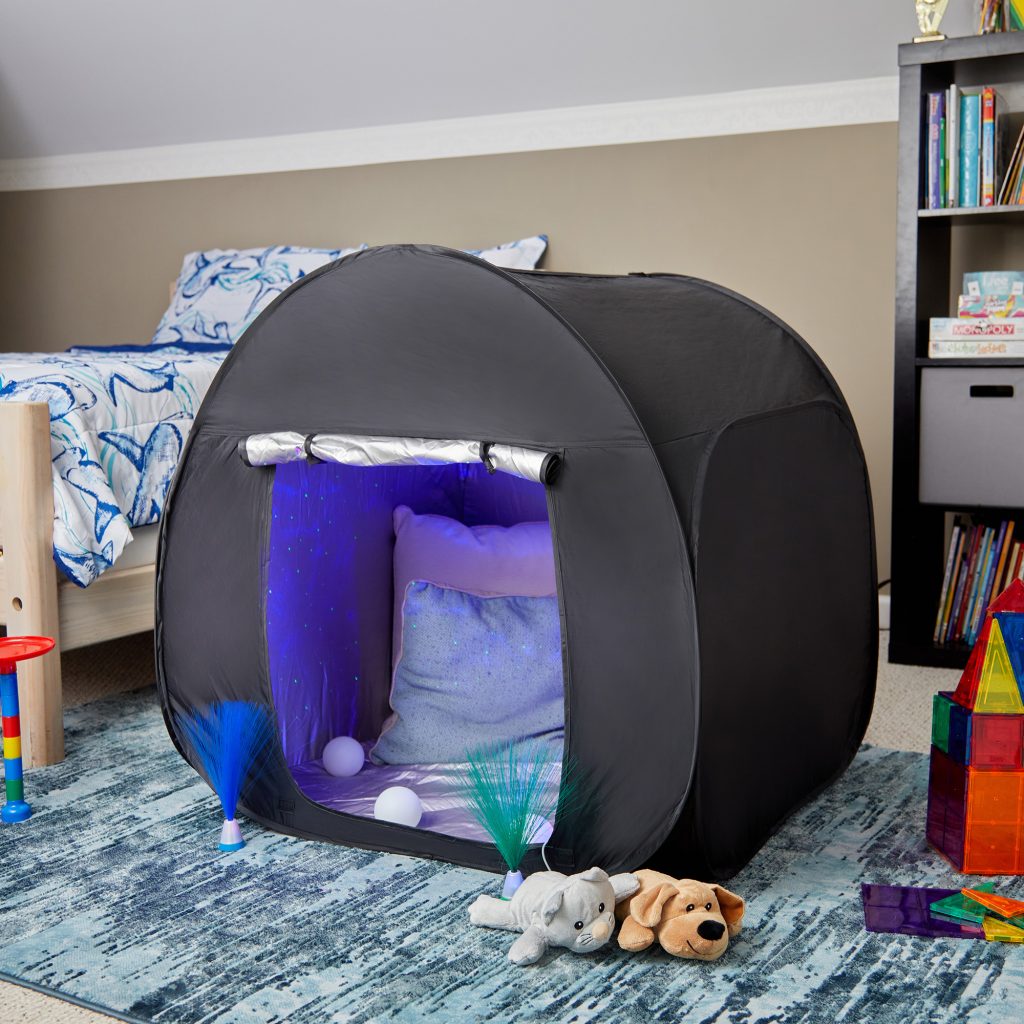
At home, cost-effectiveness usually depends on versatility. The room may need to work as a calm retreat after school, a homework support area, and a regulation space during difficult moments. Families often do best with layered lighting, comfortable seating, compact storage, and a few transportable sensory tools. Because space is limited, foldable or movable equipment provides strong value.
In schools, durability, supervision, and turnover between users become central. Equipment should be robust enough for repeated daily use and simple enough for all staff to operate consistently. Clear routines, visual zone labels, and reset systems prevent the room from becoming either a reward space or a storage overflow. The environment should support outcomes such as regulation, readiness to learn, or de-escalation, not just occupation.
In therapy settings, the room must support clinical goals while remaining flexible for different clients. Therapists often need greater control over sensory intensity, so dimmable lights, interchangeable resources, and uncluttered layouts are valuable. Some settings may also benefit from ideas used in sensory rooms for physical rehabilitation, especially where movement, body awareness, and motor planning overlap with sensory goals.
The strongest rooms always reflect the context. A home room should feel manageable for family life. A school room should be repeatable and safe. A therapy room should be purposeful and measurable. Trying to copy a commercial showroom usually leads to overspending and underuse.
Measure value by outcomes, not appearance
The real test of a sustainable sensory room is whether it improves daily life. That might mean fewer meltdowns before bed, smoother transitions in class, better engagement in therapy, or longer periods of calm attention. Tracking these outcomes helps justify spending and prevents future waste.
Simple measures work well. Parents can note whether a child settles more quickly or uses the space independently. Teachers can monitor time to regulation and return-to-learning rates. Therapists can record tolerance, participation, or functional gains. If a product is rarely used or causes agitation, it should be reassessed rather than kept because it was expensive.
Research from autism and sensory integration practice consistently supports the value of person-centred environmental adaptation over generic stimulation. Autism prevalence data from the CDC, while US-based, also reinforces why thoughtfully designed and scalable environments matter for a large and diverse population based on CDC autism data. As need grows, sustainability becomes essential, not optional.
The most effective sensory rooms rarely look extravagant. They look calm, organised, and intentional. Their success comes from consistent use, not visual drama.
Frequently Asked Questions
How can a sensory room be made sustainable?
A sensory room becomes sustainable when it uses durable, low-energy, easy-maintenance equipment and avoids unnecessary purchases. The best spaces are planned around user needs, flexible layouts, and products that can be cleaned, repaired, or reused over time.
What is the most cost-effective sensory room setup?
The most cost-effective setup usually includes adjustable lighting, soft seating, storage, acoustic softening, and a small number of high-use regulation tools. Starting with essentials and adding equipment in phases gives better long-term value than buying a full room at once.
Are expensive sensory products always better?
No, expensive sensory products are not always better. Many lower-cost items work extremely well if they match the user’s sensory profile, are robust, and are used consistently within a well-planned space.
What should be avoided in a sensory room?
Common problems include too much visual stimulation, fragile equipment, poor storage, and buying for appearance rather than need. Rooms should also avoid clutter and unpredictable sensory input that can increase overwhelm instead of reducing it.
Can a small room still be effective?
Yes, a small room can be highly effective when it is zoned carefully and only includes purposeful equipment. Lighting, seating, texture, and clear organisation often matter more than room size.
How often should sensory room equipment be reviewed?
Equipment should be reviewed every few months in active settings, or sooner if users’ needs change. Regular reviews help identify worn items, underused products, and opportunities to improve the room without unnecessary spending.
Do sensory rooms need lots of technology?
No, sensory rooms do not need lots of technology to work well. Many users benefit more from calm design, predictable routines, tactile comfort, movement options, and controlled lighting than from multiple electronic features.