Table of contents
Technology use in sensory rooms refers to the deliberate use of lights, sound, projection, switch-activated devices, interactive panels, and calming media to help regulate arousal, support communication, and create meaningful sensory experiences. When chosen and set up well, sensory room technology can improve engagement, relaxation, focus, and emotional regulation for autistic people and others with sensory processing differences, ADHD, dementia, or complex needs.
Professionals who design effective sensory spaces consistently see the same pattern: technology works best when it is purposeful, adjustable, and matched to the individual rather than used simply because it looks impressive. A bubble tube, projector, speaker system, or switch interface can transform a room, but only if it supports the user’s sensory profile, therapeutic goals, and level of control.
Highlights
- Sensory room technology includes lighting, sound, projection, interactive equipment, and environmental controls used to support regulation and engagement.
- The most effective setups prioritise user choice, adjustable intensity, and clear goals rather than filling the room with too many devices.
- Different users need different approaches: what calms one child may overwhelm another, especially in autism and sensory processing disorder.
- Home, school, and therapy sensory rooms benefit from simple, reliable technology that is easy to operate and maintain.
What technology means in a sensory room
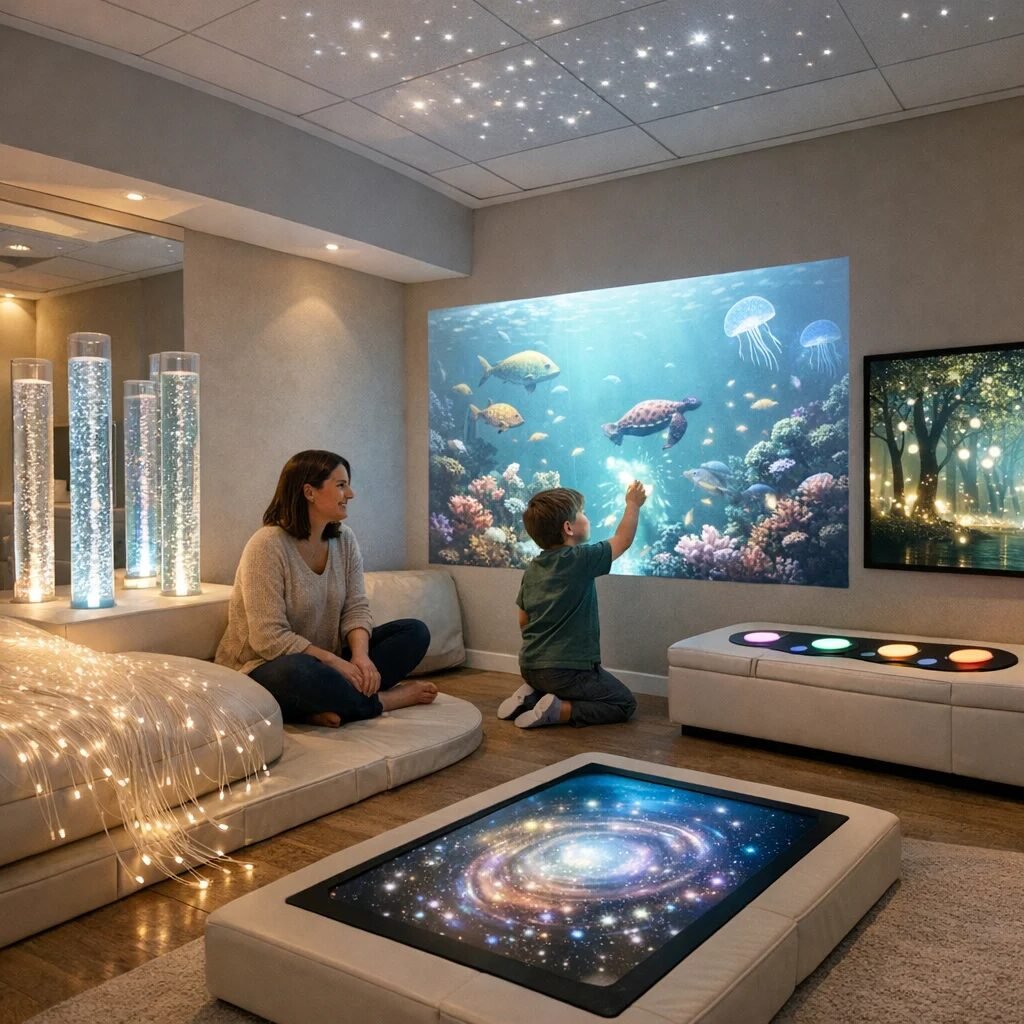
A sensory room is a controlled environment designed to deliver sensory input in a safe, structured, and adaptable way. In practice, technology in a sensory room includes any electronic or powered equipment that changes what the user sees, hears, feels, or controls. That may include LED lights, fibre optics, bubble tubes, projectors, calming music systems, interactive wall panels, switch-adapted equipment, sensory seating with vibration, or tablets used with carefully chosen apps.
The key distinction is intent. A standard room with colourful lights is not automatically a therapeutic sensory space. Sensory room technology should be selected to meet a need such as reducing visual clutter, supporting attention, encouraging cause-and-effect learning, building tolerance for sensory input, or creating a calming routine before transitions. The strongest designs start with the person, then choose the technology.
For many autistic users, predictability and control are more valuable than novelty. A room that uses the same soft lighting sequence, familiar music track, and preferred tactile object each day can be far more effective than one packed with flashy equipment. Research from the National Autistic Society highlights that sensory differences can strongly affect stress, behaviour, and daily functioning, which is why technology should be introduced with care rather than as constant stimulation sensory differences guidance.
Well-designed spaces also respect that sensory rooms are not only for children. Teenagers, adults with profound and multiple learning disabilities, older adults with dementia, and pupils with ADHD may all benefit from technology-based sensory support, but the format and purpose will differ. A school regulation space may focus on brief resets and self-management, while a dementia setting may use music, soft projection, and familiar sounds for reassurance and reminiscence.
Core types of technology used in sensory rooms
Lighting technology
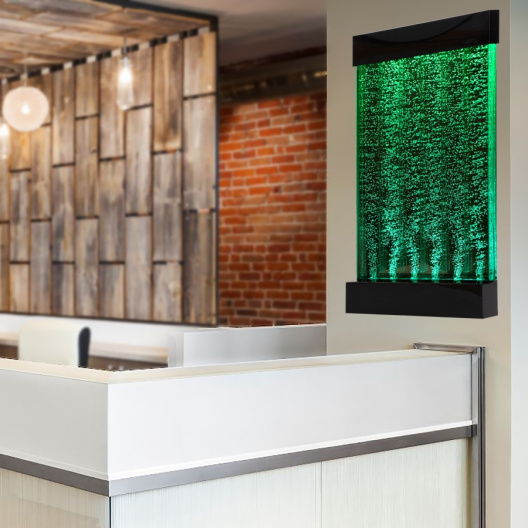
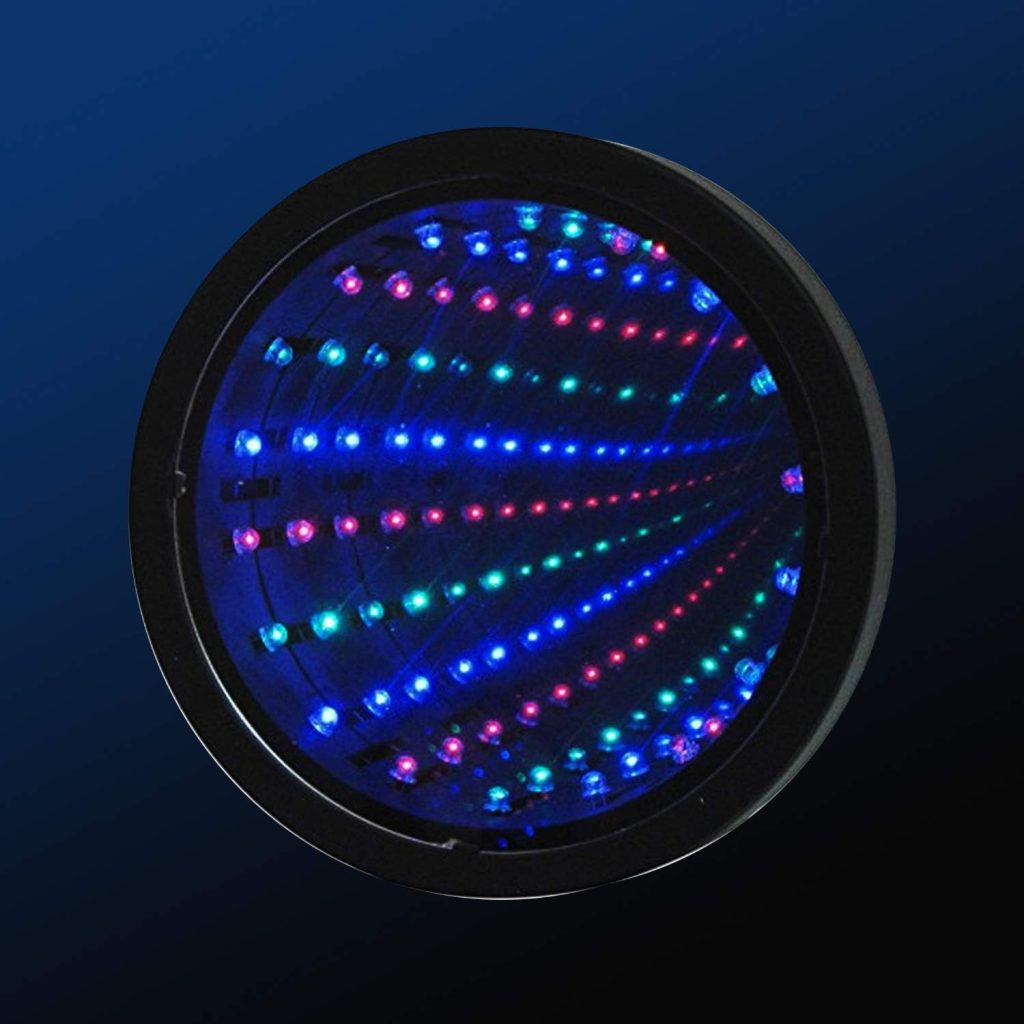
Lighting is usually the foundation of sensory room technology because it changes atmosphere quickly and can be adjusted for alerting or calming effects. Common options include colour-changing LED strips, bubble tubes, fibre optic tails, UV lighting, galaxy projectors, and dimmable lamps. In many sensory spaces, lighting provides the first cue that the environment is different from the outside world: slower, safer, and more controllable.
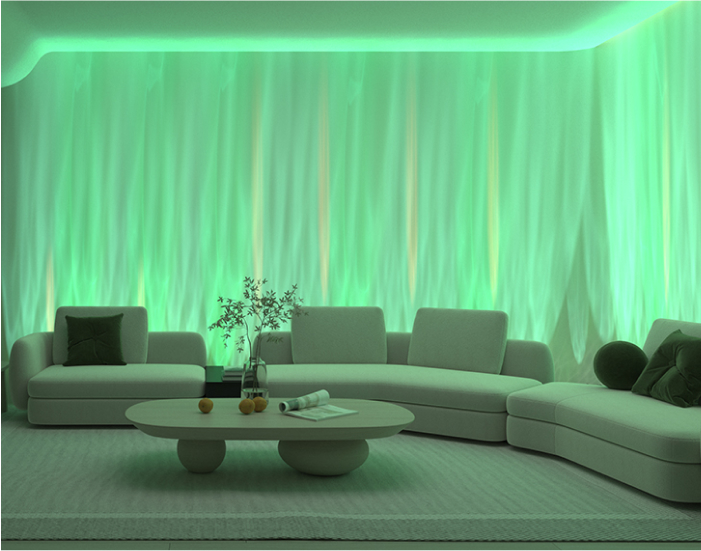
Calming lighting tends to be soft, indirect, and consistent. Blue, green, and warm white shades are often preferred, though preferences vary widely. Alerting lighting may involve brighter colours, movement, or switch-responsive effects. For home and school use, a simple set of sensory LED lights can be effective when installed with dimming options and a clear routine for when they are used.
A common mistake is filling the room with multiple moving lights that compete for attention. In a poorly planned setup, a projector moves across the walls while an LED unit flashes and a bubble tube cycles bright colours, creating visual overload rather than regulation. In a stronger setup, one main lighting feature is the focal point and the rest remain subtle or switched off until needed.
Audio and music systems
Sound technology can calm, organise attention, or increase distress depending on the user and the settings. Good sensory rooms use speakers that deliver clear, controllable audio at a comfortable level. This may include calming playlists, white noise, nature sounds, breathing exercises, narrated relaxation tracks, or low-frequency vibration through specific seating or mats.
For children with ADHD, carefully selected audio can reduce external distractions during short regulation breaks. For autistic users, predictable and preferred sound is often more effective than generic “spa music,” which can sometimes contain sudden changes or layered sounds that feel unpleasant. In dementia care, familiar songs can be especially powerful; the Alzheimer’s Society notes that music can support wellbeing, mood, and connection for people living with dementia music and dementia support.
Practical design matters here. Speakers should be positioned to avoid harsh, direct sound near the head, and volume controls should be easy for staff or family members to access. A small Bluetooth system may be enough for a home space, while larger rooms may need zoned audio so one activity does not dominate the entire environment.
Projection and visual media
Projection technology adds movement, storytelling, and immersive visuals to a sensory room. It can create drifting clouds, underwater scenes, stars, abstract patterns, or themed environments linked to teaching topics or therapy goals. Projection is particularly useful when a room needs to feel changeable without requiring permanent physical redesign.
The best use of projection is usually slow and intentional. Fast, high-contrast moving visuals can be stimulating, but they are not calming for everyone. In therapy environments, projection may be used to support communication, joint attention, or emotional literacy: for example, choosing a colour or scene that matches how the person feels. A compact galaxy projector can be a practical entry-level option in a bedroom or quiet corner where a full installation is not realistic.
Interactive and switch-access technology
Interactive technology gives the user control over the environment. This is one of the most valuable aspects of sensory design because choice reduces anxiety and increases engagement. Equipment may include switch-operated lights, pressure pads, cause-and-effect panels, touch-responsive surfaces, interactive floors, sound beams, or app-based room controls.
For children with profound learning disabilities or limited verbal communication, switch access can create meaningful agency. Pressing a switch to change a bubble tube colour or start soothing music teaches cause and effect while also reinforcing communication. In school settings, this can be built into targets around requesting, turn-taking, and anticipation. The concept is simple, but the impact is significant: the room responds to the user, not the other way around.
How technology supports different sensory needs
Technology should never be prescribed as a one-size-fits-all sensory solution. Autism, ADHD, sensory processing disorder, dementia, and trauma histories can all affect how a person experiences light, sound, touch, and movement. A supportive environment begins with observation, not equipment shopping.
For autistic users, technology often works best when it improves predictability, lowers sensory load, and allows control. This may mean low-glare lighting, a familiar playlist, and a single interactive feature rather than a room full of novelty. For users with ADHD, short-duration technology that supports movement breaks, focus resets, or calming transitions may be particularly effective. For dementia, technology should usually be simple and reassuring, not complex or heavily stimulating.
Contrasting setups show why matching matters. An effective autism-friendly room might have dimmable LEDs, a gentle bubble tube, a weighted lap pad, and one easy audio control. A poor setup might include flashing disco lights, overlapping sound effects, bright reflective surfaces, and no obvious way to reduce stimulation. The difference is not budget; it is understanding.
Those planning a space often benefit from exploring wider principles of environmental design, such as those described in creating a sensory-rich environment in sensory rooms, where layout and atmosphere are treated as carefully as the equipment itself.
Step-by-step: planning technology for a sensory room
The most reliable way to plan sensory room technology is to work backwards from outcomes. This prevents common problems such as buying impressive equipment that rarely gets used or installing devices that are difficult to supervise. A small, thoughtfully chosen setup usually outperforms a large room with no clear purpose.
1. Define the room’s main function
Start by deciding whether the room is primarily for calming, stimulation, therapy, learning, or flexible use. A calm room might prioritise low lighting, soft sound, and comforting tactile items. A learning-focused room may need interactive switches, projection, and space for structured activities. If the room must serve multiple purposes, use lighting scenes or equipment zones to clearly separate them.
2. Identify the user’s sensory profile
Observe what the person seeks, avoids, or tolerates. Do bright lights help them engage, or do they squint and withdraw? Does music regulate them, or does it become distracting? Keep notes from home, school, or therapy sessions. If the room is for shared use, create broad categories of users and make sure the technology can be adjusted quickly for each group.
3. Choose one anchor feature and two supporting features
This is a practical rule that prevents overload. The anchor feature might be a bubble tube, projector, or interactive light wall. Supporting features could include a speaker and a tactile seating area. For many rooms, a sensory bubble tube works well as a visual focal point, paired with calm audio and floor seating.
4. Build in user control
Use remote controls, switches, timers, dimmers, or simple visual choice boards so the user can influence the room. Control supports autonomy and makes sensory sessions more meaningful. A child who can choose “blue lights” and “rain sounds” is more likely to engage than one placed into a pre-set environment with no input.
5. Test intensity and timing
Few rooms fail because the equipment is poor; many fail because the intensity is too high. Test each device at its lowest setting first. Introduce one element at a time and monitor breathing, body posture, eye contact, movement, and vocalisations. Some people regulate within five minutes; others need 20 minutes of consistent low-level input.
6. Review, simplify, and maintain
After a few weeks, review what is actually being used. Remove or reduce any technology that causes distraction, confusion, or maintenance problems. Replace weak routines with clear session structures. Reliability matters in sensory spaces, so keep spare batteries, label remotes, secure cabling, and check devices regularly.
Technology choices for home, school, and therapy settings
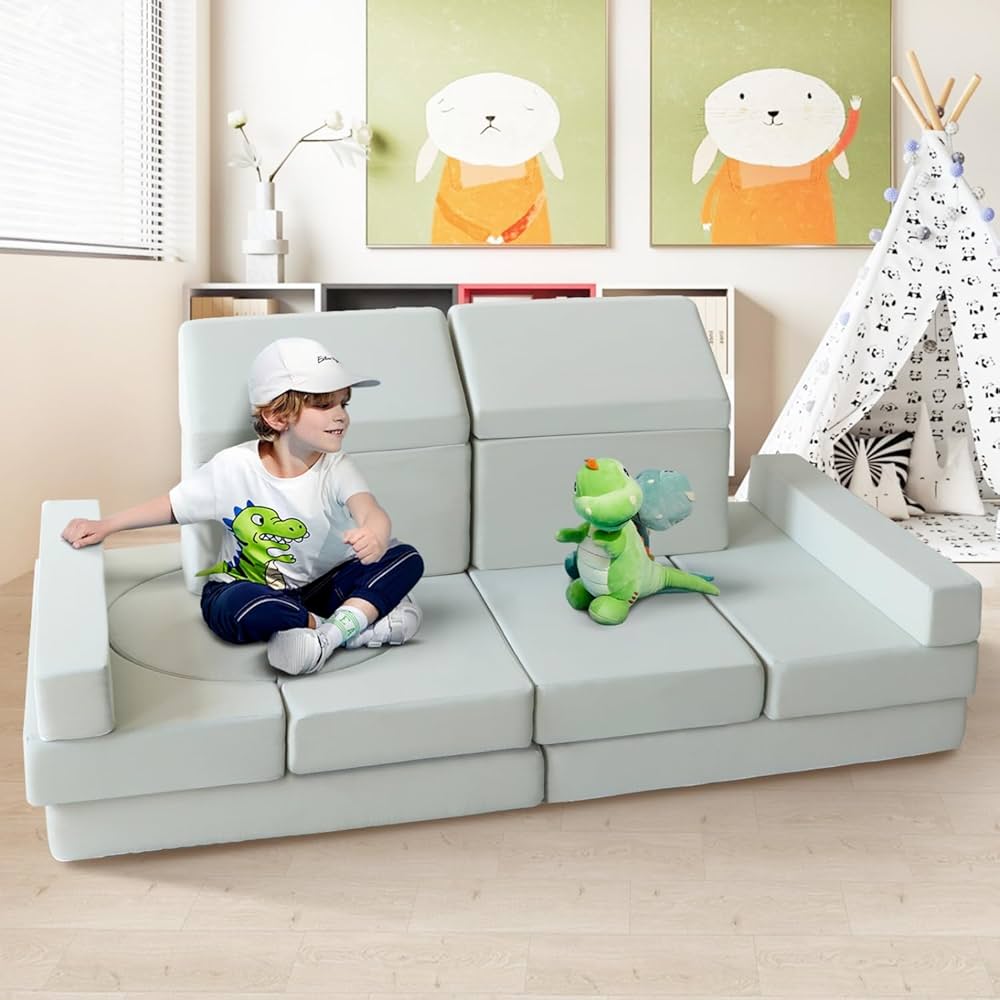
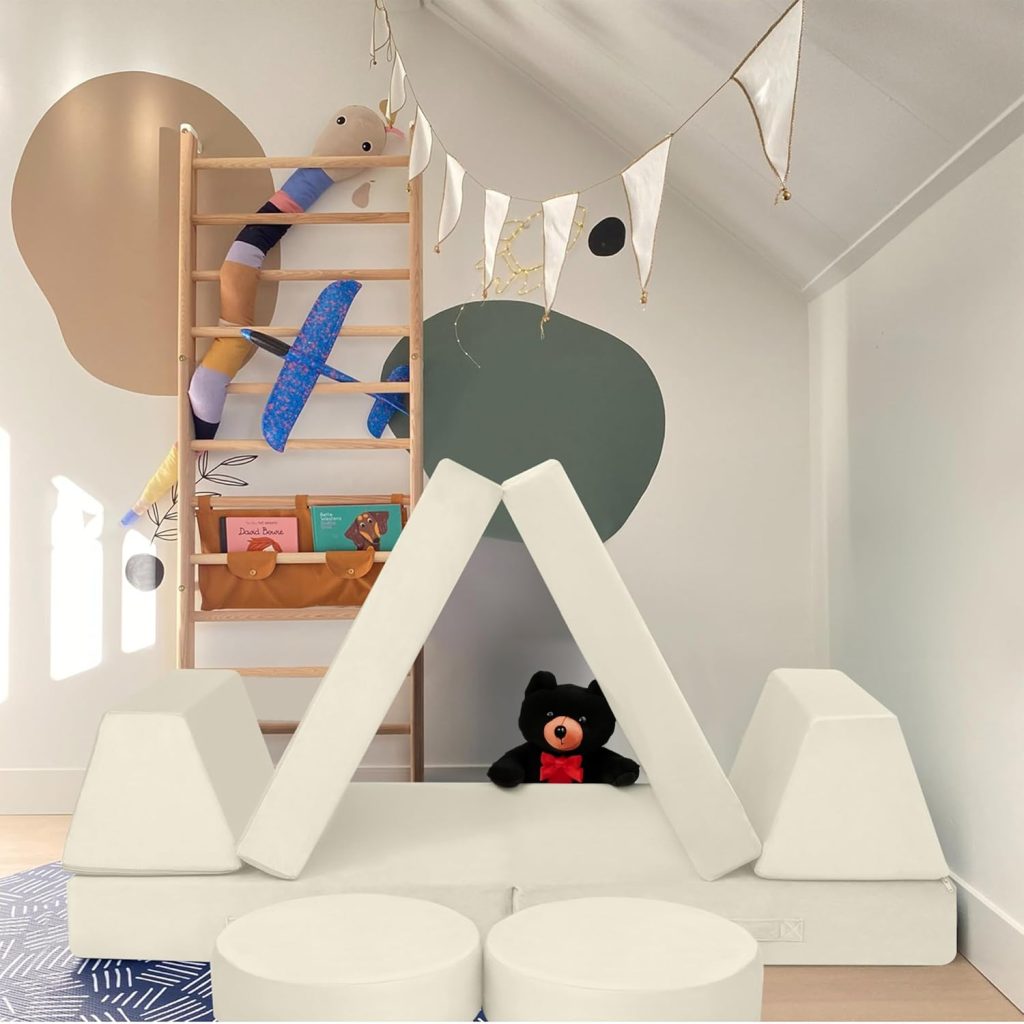
Home sensory rooms usually benefit from compact, affordable, and easy-to-run technology. Parents often get the best results by converting a bedroom corner, spare room, or den area into a calm sensory zone rather than trying to recreate a full commercial installation. Dimmable lights, a projector, headphones or speakers, and soft seating can go a long way when they are used consistently. A weighted blanket may also support calming routines for some users, provided it is chosen safely and appropriately for size and needs.
In schools, durability and ease of supervision are essential. Staff need systems they can operate quickly during a busy day, so touch-button controls, robust fixings, and clear protocols make a difference. Rooms often need to support multiple pupils with different profiles, which means neutral, adjustable technology is usually better than highly personalised installations. Schools also benefit from having a short checklist for each session: who is using the space, for what goal, and for how long.
Therapy settings tend to require the greatest flexibility. Occupational therapists, speech and language therapists, and specialist teachers may use technology to support communication, motor planning, emotional regulation, or sensory integration goals. Here, interactive equipment and switch-access tools are particularly valuable, but the room still needs a calm baseline. A therapy room should not feel like an amusement space; it should feel like a responsive and purposeful clinical environment.
Those working on school projects may also find it helpful to review sensory design strategies more broadly in sensory classroom ideas, especially when a full dedicated room is not available.
Common mistakes with sensory room technology
One of the most frequent mistakes is assuming more technology equals better outcomes. Over-equipped rooms can become visually cluttered, difficult to maintain, and overwhelming for the very people they are meant to support. If every device is on at once, the room stops being therapeutic and starts becoming chaotic.
Another problem is choosing equipment based on appearance rather than sensory function. A product may look impressive in a catalogue but offer limited user control, harsh lighting, or distracting mechanical noise. This is especially relevant with cheaper novelty lighting. Before purchasing, it helps to ask four questions: Is it adjustable? Is it predictable? Can the user control it? Does it serve a clear purpose?
Poor positioning is another issue. A projector pointed directly into eye level, speakers placed too close to a chair, or tangled wires near movement equipment can all reduce safety and effectiveness. Even excellent products perform badly in a weak layout. The room needs clear sightlines, comfortable transitions between equipment, and enough empty space for the nervous system to rest.
Finally, some rooms fail because staff or family members do not receive guidance on how to use the technology. A sensory room is only as effective as the routine surrounding it. Device settings, time limits, preferred combinations, and warning signs of overload should be written down and shared so the room is used consistently.
Expert tips for making technology genuinely effective
Start every session with the room in its simplest state. Then add one sensory element based on the user’s cues. This approach makes it easier to identify what is helping and what is not. It also protects against accidental overload, which is especially useful for children who struggle to communicate discomfort clearly.
Use scenes rather than random settings. A “calm blue” scene might include dim blue lighting, low music, and one visual focus point. An “alert ready-to-learn” scene might use slightly brighter white lighting, gentle rhythmic music, and a short movement activity. Having named scenes helps adults stay consistent and allows users to anticipate what comes next.
Track outcomes in simple terms. Record whether the person entered willingly, how long they engaged, whether breathing slowed, whether transitions improved afterward, and which equipment they chose. This turns sensory room use into evidence-informed practice rather than guesswork. The CDC estimates that around 1 in 36 children have been identified with autism spectrum disorder, which underlines the need for carefully designed environments that can be adapted to a wide range of sensory profiles autism data and research.
Most of all, remember that the best technology often fades into the background. When a sensory room is working well, the user appears calmer, more connected, more organised, or more communicative. The goal is not to impress visitors with equipment. The goal is to help the person feel safe and supported.
Frequently Asked Questions
What technology is used in a sensory room?
Sensory rooms commonly use LED lighting, bubble tubes, fibre optics, projectors, speakers, interactive panels, switch-access devices, and calming media players. The exact mix depends on whether the room is designed for relaxation, stimulation, therapy, or learning.
How does technology help autistic children in sensory rooms?
Technology can help autistic children by creating predictable sensory input, offering control over their environment, and reducing stress during regulation breaks. Devices such as dimmable lights, calming audio, and switch-activated features can support emotional regulation and engagement when matched to the child’s preferences.
What is the best sensory room technology for a home setup?
For most homes, the best options are simple and adjustable: dimmable LED lights, a small projector, soft audio, and comfortable sensory seating. Starting with one focal feature and a calm layout is usually more effective than buying several stimulating devices at once.
Can sensory room technology be overstimulating?
Yes, sensory room technology can be overstimulating if too many devices are used together or if settings are too bright, loud, or unpredictable. Good sensory design reduces intensity, allows user control, and introduces equipment gradually.
Are sensory rooms only for autism?
No, sensory rooms can support autistic people as well as individuals with ADHD, sensory processing disorder, dementia, learning disabilities, anxiety, and complex needs. The room should be tailored to the person’s sensory profile and goals rather than tied to a single diagnosis.
How long should a sensory room session last?
Session length varies by user and goal, but many effective sessions last between 10 and 30 minutes. Shorter sessions may work well for school regulation breaks, while longer sessions may be helpful in therapy or evening calming routines.
What is the biggest mistake when choosing sensory room technology?
The biggest mistake is choosing equipment for visual impact rather than function. A sensory room works best when each device has a clear purpose, can be adjusted easily, and supports the user’s comfort, regulation, or communication.