Table of contents
Safety considerations for sensory rooms begin with one principle: every item in the room must support regulation without creating new risks. When I design or review a sensory room, I focus on physical safety, emotional safety, supervision, and the match between the user’s sensory profile and the equipment, because a room that looks calming can still be unsafe if it is overstimulating, poorly installed, or used without clear boundaries.
I’ve worked with families, schools, and therapy teams to create sensory spaces for autistic children, pupils with ADHD, adults with learning disabilities, and older people with dementia. Across those settings, I’ve seen the same truth again and again: the safest sensory room is not the one with the most equipment, but the one designed around the person using it, with careful attention to layout, durability, hygiene, and predictable routines.
Highlights
- Safe sensory rooms balance stimulation and protection, with secure equipment, clear zoning, and controlled lighting, sound, and movement.
- The best setups start with the user’s sensory needs, risk profile, age, and level of supervision rather than copying a trend or buying popular products.
- Common hazards include trip risks, unsecured furniture, tangled cables, overheating, choking risks, and overstimulation from too many active features.
- Home, school, and therapy sensory rooms need different safety rules, cleaning routines, and supervision plans to work well long term.
What safety considerations for sensory rooms really mean
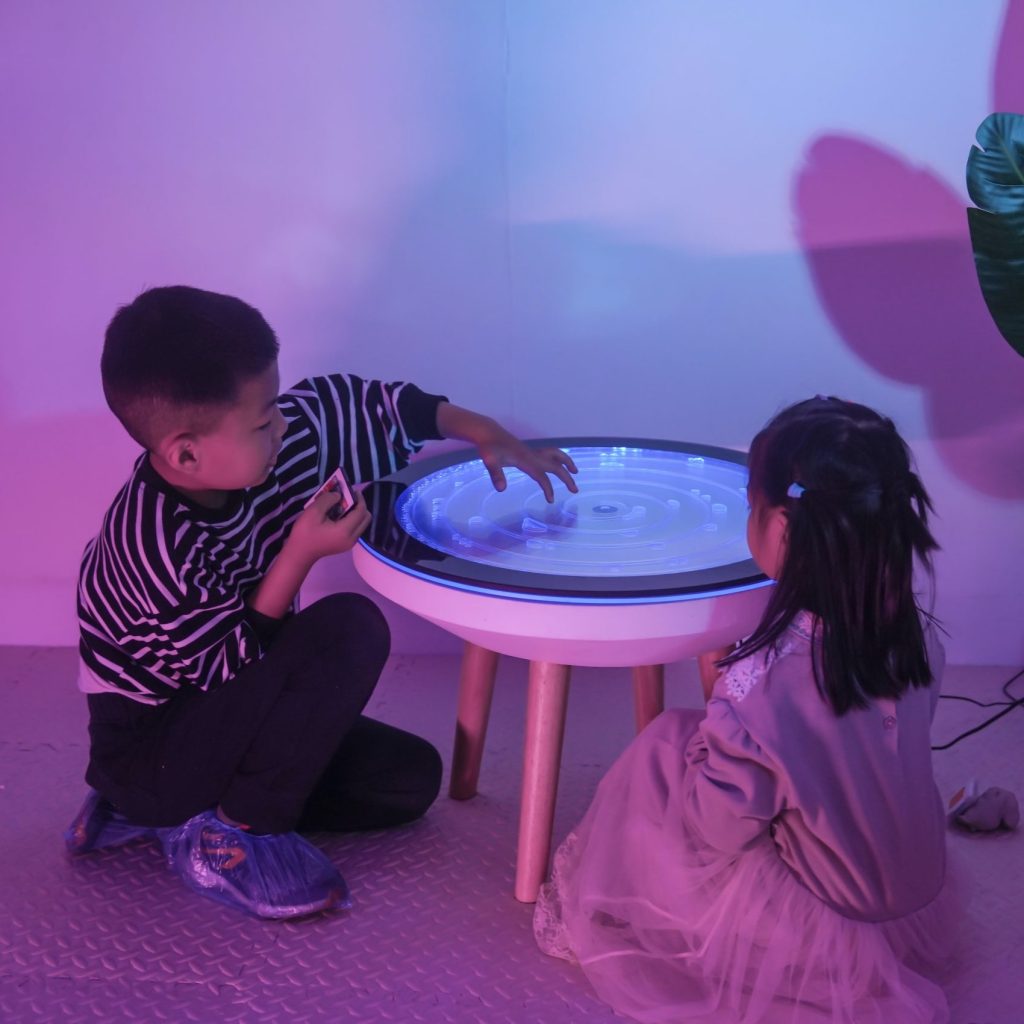
A sensory room is a dedicated space designed to help a person regulate their sensory system. That may mean calming an overwhelmed child, helping an autistic adult recover after sensory overload, supporting attention for someone with ADHD, or offering familiar, soothing sensory input for a person living with dementia. Safety in this context is not limited to preventing bumps and falls. It also means preventing distress, confusion, panic, dysregulation, and accidental misuse of equipment.
I often explain sensory room safety in two layers. The first is environmental safety: flooring, sockets, fixings, fire safety, ventilation, hygiene, and equipment stability. The second is sensory safety: choosing inputs that help rather than overwhelm, avoiding unpredictable effects, and making sure the room can be exited or adapted quickly if the user becomes distressed. Both layers matter equally. A physically safe room can still be a poor environment if the lighting flickers, the sounds echo, or the movement equipment is too intense for the user.
This is especially relevant for neurodivergent users. The US Centers for Disease Control and Prevention reports that about 1 in 36 children has been identified with autism spectrum disorder, highlighting how many families and schools may need environments that support sensory regulation safely according to CDC data. In practice, that means sensory spaces are no longer a niche feature; they need to be planned with the same seriousness as any other specialist environment.
Start with the person, not the products
The biggest safety mistake I see is designing the room around equipment instead of the user. A bubble tube, projector, crash mat, swing, and music system may all be good products individually, but together they can create a chaotic space that is too noisy, too bright, or too physically demanding. Before I choose a single item, I ask who will use the room, what triggers dysregulation, what sensory input helps, what health conditions are relevant, and how the space will be supervised.
For an autistic child who seeks deep pressure but is distressed by sudden sound, I might prioritise soft crash mats, dimmable lighting, and a quiet retreat corner rather than interactive sound panels. For a pupil with ADHD who benefits from movement, I may include active seating and a clearly defined movement zone, but I still keep walkways open and visual clutter low. For dementia care, I avoid confusing visual effects and make contrast, familiarity, and gentle sensory cues the priority.
If you are still at the planning stage, it can help to understand the wider benefits and functions of these spaces. I often recommend reading why sensory rooms are great for both children and adults before selecting equipment, because the “why” should shape every safety decision that follows.
Physical safety: layout, flooring, furniture, and fixings
Keep movement paths clear
The room layout should allow calm, obvious movement from the entrance to each area. I aim for clear zones rather than a single crowded space: a calming zone, an active zone, and, where possible, a retreat area. Walkways should be free from beanbags, trailing wires, toy baskets, and unstable lighting units. In one school review I carried out, staff had placed a beanbag directly beside the door to make the room look cosy. In reality, it created a trip hazard during rushed transitions and blocked quick exits when a child became distressed.
Good layout also means avoiding hidden corners where supervision becomes difficult. In a therapy setting, I want staff to maintain unobtrusive visual contact. At home, parents often need access to switches, controls, and doors without walking across the child’s preferred calming area. That small design choice makes a big difference in moments of escalation.
Choose flooring that protects without causing new issues
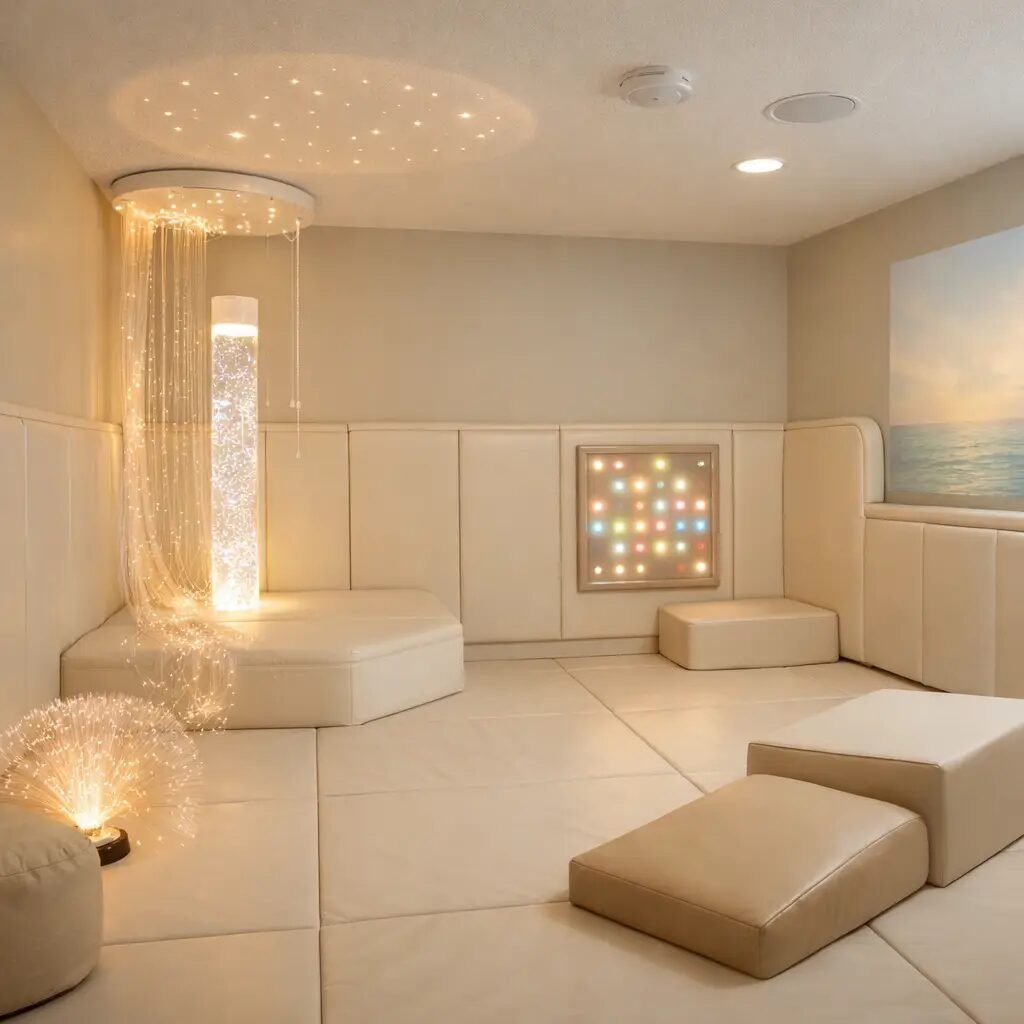
Flooring should absorb impact, reduce slips, and be easy to clean. Padded mats work well in active sensory rooms, but they need to be properly fitted so edges do not lift. Thick rugs may seem comforting, yet I frequently avoid them in multi-user rooms because they bunch up, trap allergens, and create uneven surfaces. If I am designing for a user with poor balance, low muscle tone, or mobility aids, I choose a smoother non-slip surface with targeted padded areas instead of wall-to-wall soft flooring.
For users who seek floor-based movement, a secure padded floor mat can be far safer than loose gym mats that slide apart. I also advise checking whether the surface becomes slippery under socks, because many children remove shoes in sensory rooms.
Secure all furniture and wall-mounted equipment
Any tall unit, shelving, mirror, bubble tube bracket, or wall panel should be professionally fixed. Children and adults in dysregulated states may lean, push, pull, or climb in ways you did not expect. I have seen unsecured shelves tip because a child used them as a stabilising point while moving toward a light feature. Furniture should have rounded edges wherever possible, and acrylic mirrors are often safer than glass in high-use rooms.
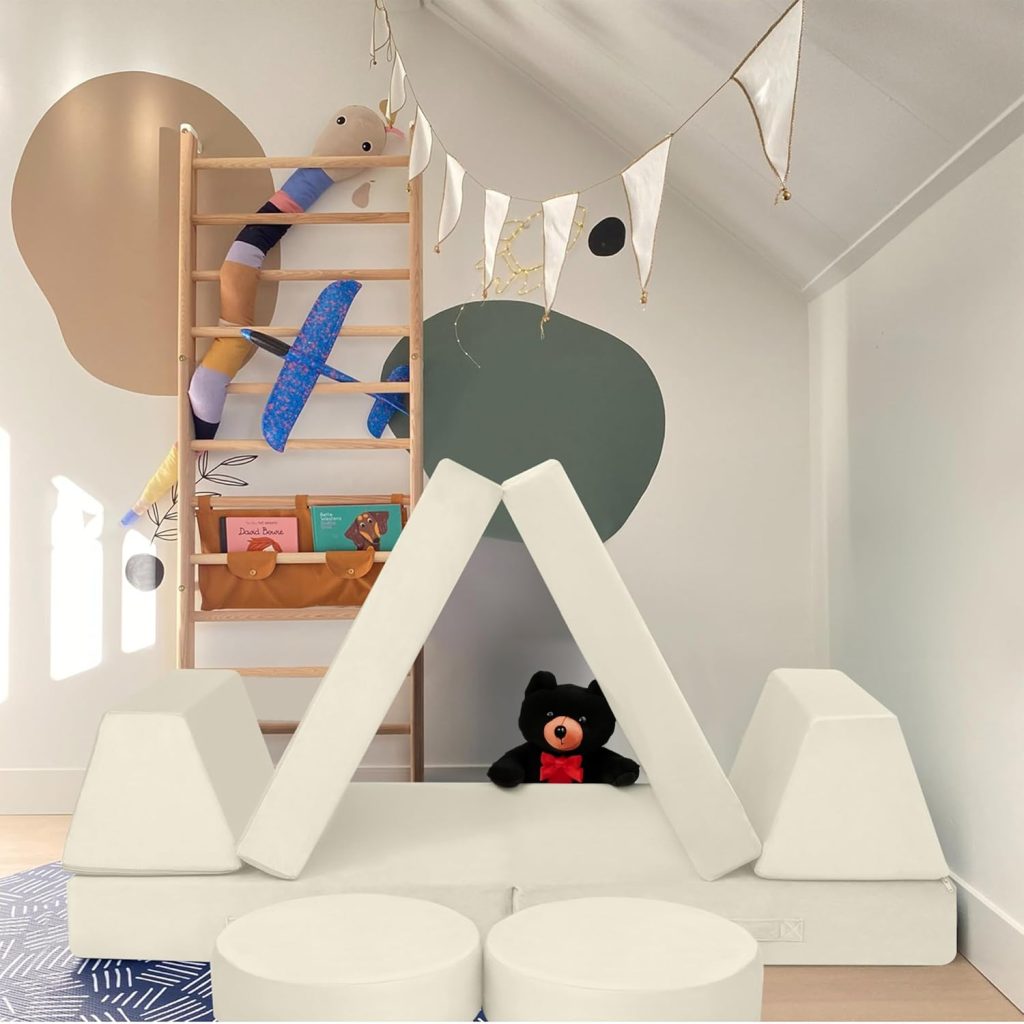
Do not assume “soft” items are automatically safe. Beanbags can obstruct exits, oversized cushions can cover smaller equipment, and lightweight storage cubes can be thrown. Safety comes from the combination of product choice, placement, and supervision.
Electrical and fire safety in sensory spaces
Sensory rooms often rely on lights, projectors, sound systems, diffusers, and powered sensory equipment, so electrical safety deserves extra attention. Every cable should be routed out of reach or enclosed in protective trunking. Extension leads should be avoided if possible; if not, they must be positioned where they cannot overheat, be pulled, or create a trip hazard. In schools and clinics, all installations should meet the setting’s inspection requirements. At home, I strongly advise using a qualified electrician for any permanent lighting or wall-mounted features.
Heat is another overlooked issue. Some lamps, projectors, and enclosed electronics become warm after prolonged use, especially in smaller rooms with poor airflow. I check ventilation carefully and avoid placing fabric, cushions, or blackout materials too close to powered devices. If the room uses scent diffusers, humidifiers, or heated equipment, they should be stable, placed out of reach where needed, and cleaned according to manufacturer guidance.
Where visual effects are used, safety includes suitability. Flashing lights, rapid colour changes, and strobe-style effects can distress some autistic users and may pose a risk for people with photosensitive epilepsy. The NHS notes that flashing or patterned visual triggers can provoke seizures in a small proportion of people with epilepsy as outlined by the NHS. I always ask about seizure history before approving any dynamic lighting plan.
Sensory safety: avoiding overload, fear, and dysregulation
More stimulation is not better
A safe sensory room should allow you to increase or decrease input quickly. Dimmable lights, separate switches, volume control, and portable tools make this much easier than all-in-one setups where everything turns on at once. One of the poorest sensory rooms I ever assessed had a bubble tube, projector, fibre optics, speakers, and rotating lights all activated with one switch. Staff called it “exciting,” but pupils regularly lasted less than three minutes before becoming unsettled.
An effective room gives control. I prefer one primary visual focus, one optional sound source, and one or two tactile elements at a time. This keeps the room flexible for different users and reduces the chance of overload. For some clients, a simple dimmable sensory LED light and soft seating are more regulating than a room full of competing effects.
Predictability matters
Unpredictable sounds, sudden movement, and inconsistent routines can make a sensory room feel unsafe. This is especially true for autistic users and people with dementia, who may become distressed if the environment changes without warning. I encourage families and staff to use simple entry routines such as “lights low first, music optional second, movement equipment only with support.” Predictable sequencing helps the person know what will happen next.
For users with sensory defensiveness, novelty should be introduced gradually. If you are adding a bubble tube or projector, let the person explore it while the rest of the room stays quiet. If they tolerate it well, build from there. Safety is often about pacing, not just equipment selection.
Step-by-step: how I safety-check a sensory room before use
Whenever I set up a new sensory space, I follow a simple but thorough process. This works at home, in schools, and in therapy rooms.
1. Assess the user profile
I list the person’s sensory preferences, triggers, communication style, mobility level, medical factors, and risk behaviours. For example, do they mouth objects, climb furniture, run when overwhelmed, or need deep pressure? This step prevents generic design choices.
2. Walk the room at child or user level
I physically lower my viewpoint and check what can be grabbed, pulled, swallowed, unplugged, or climbed. This often reveals issues adults miss, such as accessible cable boxes, loose sensory toys, or mirrors placed at a collision height.
3. Test one sensory channel at a time
I switch on lights only, then sound only, then movement equipment only. If two features together create distraction or distress, I separate them. This step is one of the best ways to catch overload before the room goes live.
4. Create a regulation and exit plan
I decide in advance what staff or parents will do if the user becomes overstimulated. Which lights go off first? Where is the calm corner? Is there a clear path to leave? A room is safer when everyone knows how to reduce demand quickly.
5. Review cleaning and maintenance
I check fixings, wipeable surfaces, battery compartments, washable fabrics, and inspection schedules. Sensory items degrade with frequent use, and worn equipment becomes unsafe faster than many people expect.
Equipment choices: what to use carefully
Some equipment categories need special consideration because they are popular but not universally safe. Swings and suspended equipment, for example, can be excellent for vestibular input, but they require proper structural support, fall clearance, and trained supervision. I never recommend installing these casually at home without expert advice. Even in schools, the issue is not just installation; it is whether staff know when movement is helping regulation and when it is fuelling over-arousal.
Weighted products can also be useful, but they are not one-size-fits-all. A weighted blanket may support calm for some users, yet it should never restrict independent movement or be used without considering age, body size, breathing, and tolerance. I treat weighted lap pads and blankets as supervised tools, especially for younger children or users with limited communication.
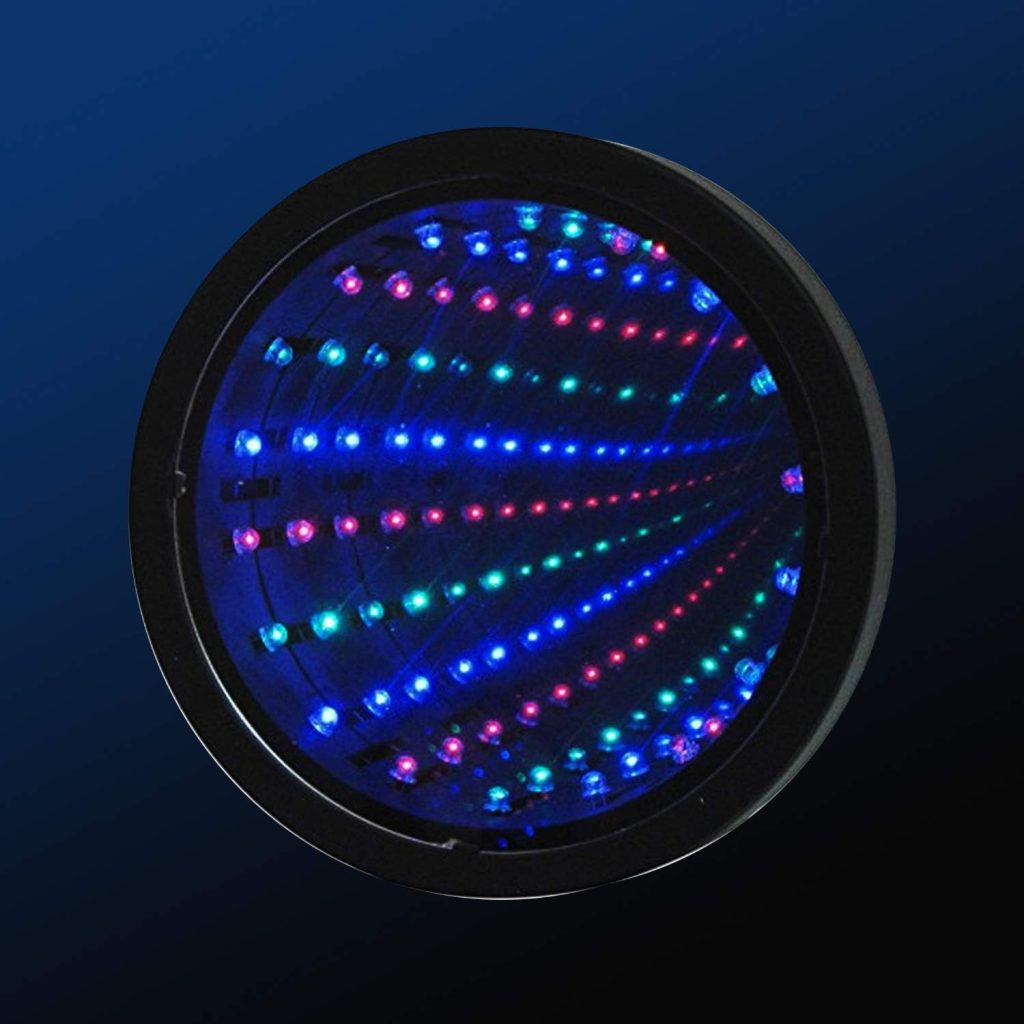
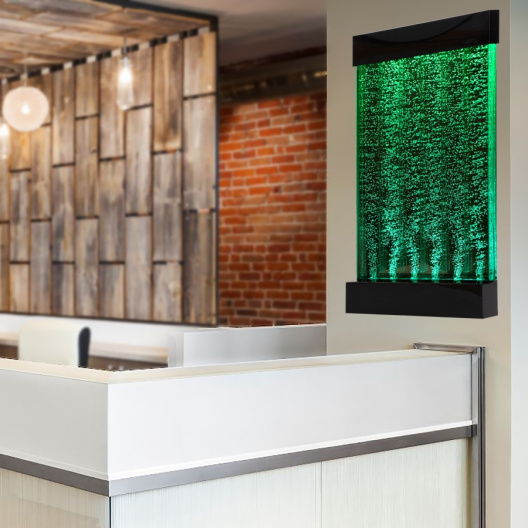
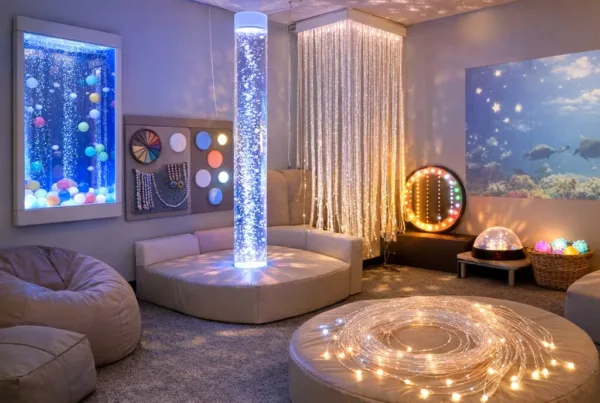
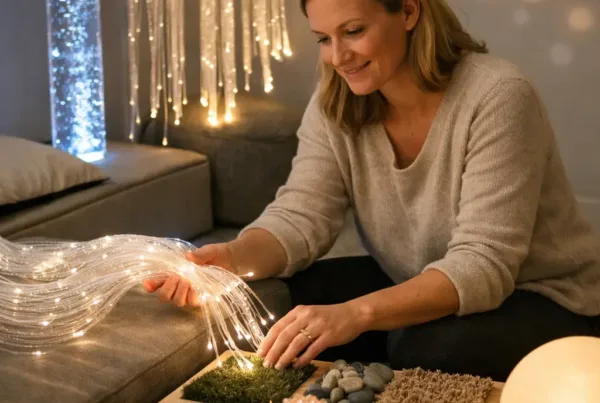
Bubble tubes and fibre optics are usually well received, but only when they are robustly mounted and not used as climbing points. If you want a tactile visual feature at home, a securely placed fibre optic sensory lamp can be a practical alternative to larger installations. For seating, I prefer low, stable options over tall rocking furniture unless the user specifically benefits from movement and can use it safely.
Home vs school vs therapy room: safety looks different in each setting
At home, the main challenge is usually balancing safety with normal family life. Many parents create a sensory corner rather than a full room, so multi-use spaces are common. In these cases, I recommend portable but deliberate choices: one storage system, one calm lighting source, one tactile basket, and one soft seating option. The risk at home is often that sensory items spread into walkways, become mixed with toys, or are used without supervision because they are always accessible.
In schools, supervision and timetable pressure change the picture. Rooms may be used by multiple pupils with very different profiles, which increases the need for zoning, wipeable surfaces, visual rules, and staff training. A room that works beautifully for one child may be dysregulating for another if settings are not reset between sessions. I also emphasise booking protocols, occupancy limits, and post-use checks so no damaged equipment goes unnoticed.
Therapy rooms usually benefit from professional oversight, but that can create its own blind spot: assuming specialist equipment is automatically safe because it is therapeutic. I challenge that assumption often. The safest therapy sensory room is one where therapeutic intention is matched by maintenance, clinical reasoning, and consent-based pacing.
For readers balancing broad design choices, sensory room ideas for autism can help frame what should and should not be included for autistic users in particular.
Common mistakes I see again and again
The first common mistake is overfilling the room. Too many lights, too many colours, too many textures, and too many choices can quickly turn a sensory room into a distraction room. Effective setups leave space to breathe. The second is poor cable management, which remains one of the most basic and preventable hazards. The third is buying equipment based on appearance rather than regulation goals.
Another mistake is forgetting hygiene. Chewable items, soft furnishings, tactile panels, and shared seating need routine cleaning, especially in schools and clinics. According to the UK Health Security Agency, high-touch surfaces and shared equipment can contribute to infection spread if cleaning is inconsistent through public health guidance. In sensory rooms, that means written cleaning protocols are part of safety, not an afterthought.
I also see rooms created without any review process. Needs change. A child who was soothed by spinning lights at five may find them overwhelming at eight. A teenager may start seeking stronger movement input. An adult with dementia may become confused by reflection or shadow. A safe room is reviewed and adapted, not left untouched once installed.
My expert tips for keeping a sensory room safe long term
I advise every family and setting to keep a simple sensory room log. Note who used the room, what was switched on, what helped, what didn’t, and any near misses. Patterns appear quickly. You may notice, for example, that one child always dysregulates when sound and projection are combined, or that transitions are harder when the room is already active on entry.
Label controls clearly and keep them accessible to the supervising adult. If the room supports several users, create individual sensory profiles and preferred room settings. I also suggest rotating portable items rather than leaving everything out all the time. This keeps the space simpler and reduces wear, clutter, and visual overload.
Finally, remember that emotional safety matters as much as physical safety. No one should be forced into a sensory room or required to engage with equipment they find distressing. The room should feel like a supportive option, not a confinement space or reward tool. When users have choice, predictability, and respectful support, the room becomes genuinely safe and effective.
Frequently Asked Questions
What is the most important safety rule in a sensory room?
The most important rule is to match the room to the user’s needs and risks. A physically soft room can still be unsafe if the sensory input is overwhelming, confusing, or unsupervised.
How do I make a sensory room safe for an autistic child?
Start with the child’s sensory profile, including triggers and calming preferences. Use secure furniture, covered cables, dimmable lighting, clear zones, and a predictable routine so the space remains calm and controllable.
Are bubble tubes safe in sensory rooms?
Bubble tubes can be safe when they are professionally mounted, electrically secure, and used with supervision where needed. They are not safe if they are unstable, climbable, or placed where cables and bases can be accessed easily.
Can a sensory room be too stimulating?
Yes, and this is a very common problem. Too many active lights, sounds, textures, or movement options can increase stress rather than reduce it, especially for autistic users and people with sensory processing differences.
What flooring is best for a sensory room?
The best flooring is usually non-slip, easy to clean, and suitable for the user’s movement needs. Padded flooring can help in active rooms, but it should be securely fitted and not create uneven walking surfaces.
Do sensory rooms need supervision?
Many do, especially when they include movement equipment, weighted tools, electrical features, or users with high support needs. The level of supervision depends on the person, the equipment, and the setting.
How often should I review sensory room safety?
I recommend a quick visual check before each use and a fuller review at regular intervals, such as monthly in home settings and more often in schools or clinics. Review immediately after any incident, equipment damage, or change in the user’s needs.