Home /
Recommended sensory room equipment
Our top sensory room equipment



Sensory room equipment: Designing the ideal environment for engagement and rest
For people with sensory processing difficulties—such as those on the autistic spectrum—sensory rooms are especially constructed surroundings offering a secure, soothing, and stimulating space. The correct sensory room equipment will make all the difference whether you are building a sensory room at home, in a school or as part of a therapeutic centre.
Read more
Portable and permanent choices
When planning a sensory room, keep in mind the space that is at hand and how it will be used. While some sensory rooms must be flexible for smaller areas or temporary configurations, others are permanent fixtures.
Larger objects like bubble tubes, tactile walls, or swings might be included in permanent sensory rooms to provide an immersive experience. For homes or classrooms with limited space, portable sensory solutions—like sensory play kits or lightweight LED bulbs—are ideal. Many families and teachers find these to be a sensible choice since they are easy to set up and put away when not in use.
The secret is to design a friendly and flexible space that satisfies the particular sensory needs of its occupants regardless of size or layout.
Necessary sensory room equipment
Here are some of the most popular sensory room equipment you might want to review:
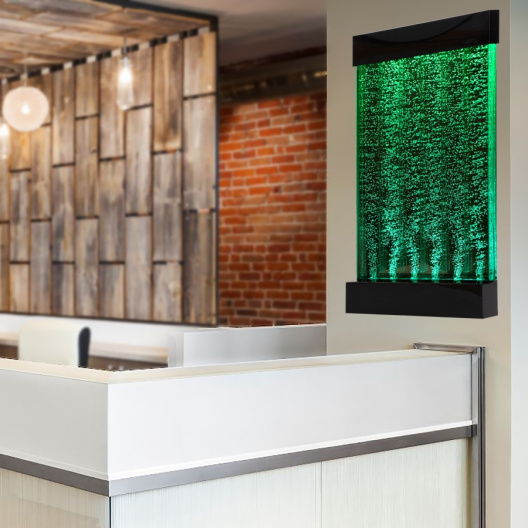
Bubble tubes
A popular choice for sensory rooms is bubble tubes. Water and bubbles filling these tall, translucent cylinders move gently whilst also changing colours. Seeing the bubbles rise and change colour can be very soothing, guiding people towards relaxation and self-awareness.
People who are using bubble tubes may be asked to watch how they move or reach out and touch the tube. These tubes are also great for building motor skills. They are an interesting way to combine tactile and visible stimuli.
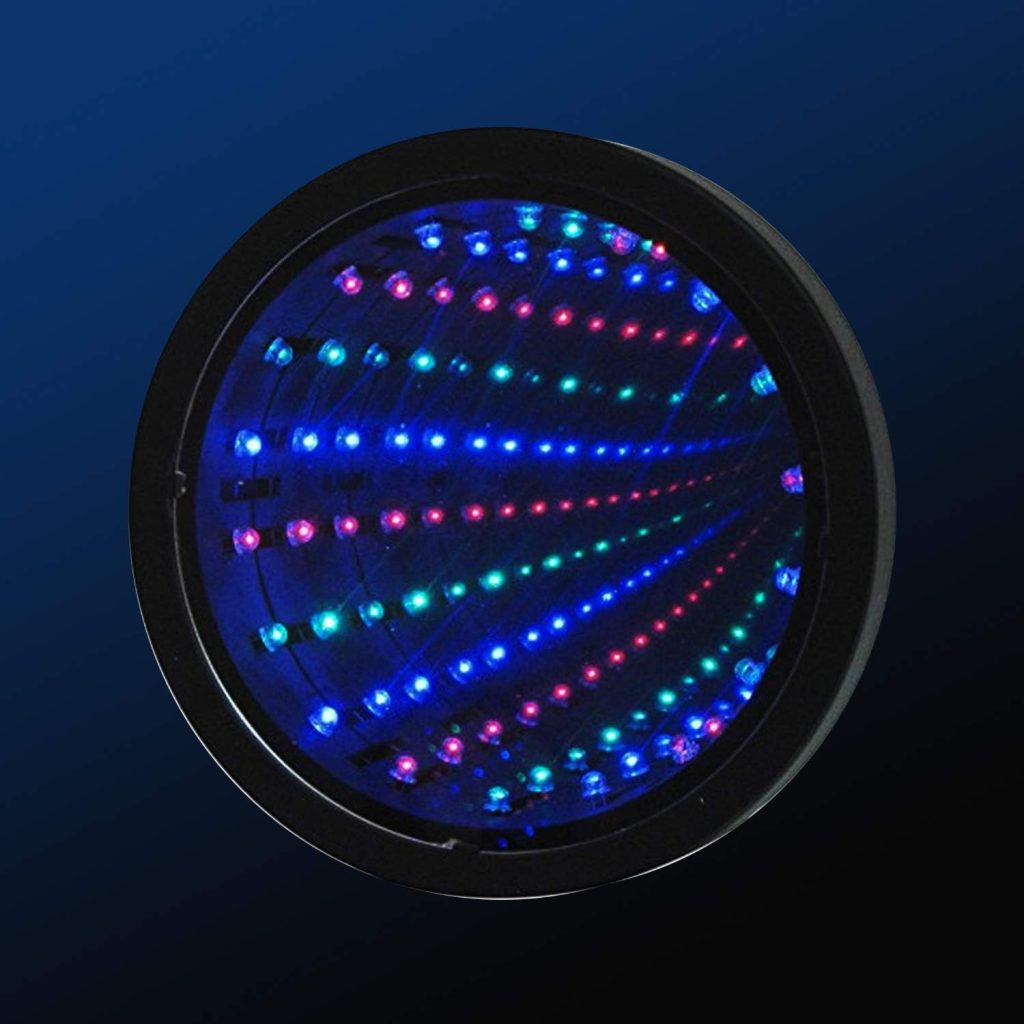
Fibre optic illumines
Sensory rooms get a wonderful touch from fibre optic lighting. These lights can capture viewers with their amazing visual effects—starry night sky or brilliant tunnels. Their softness and flexibility inspire consumers to touch and investigate the threads. Fine motor abilities can be developed and sensory exploration encouraged by this tactile engagement.
Fibre optic lights give every sensory space a dynamic and calming element, whether hung on a wall or laid on the ground.
Weighted blankets and vests
Weighted items provide deep pressure stimulation, which has been proven to help people feel more grounded and reduce anxiety. While weighted vests might be worn during activities to increase focus and body awareness, weighted blankets also offer comfort during quiet time or sleep.
For those who can feel overwhelmed in sensory-rich surroundings, these objects are especially helpful since they offer stability and peace.
Sensual walls and panels
Panels and tactile walls are meant to pique the touch sensation. They range in texture from imitation fur to carpet, smooth tiles to squishy foam.
Customising tactile panels to include various materials or themes helps them to be a flexible addition to any sensory area. They’re ideal for promoting tactile involvement and active learning.
Swings and beanbag chairs
Essential elements of a sensory room include motion-based tools and comfortable chairs. When sensory input gets too much, beanbag chairs offer a safe haven and a soft, cosy place to unwind.
Conversely, swings give vestibular stimulation, a kind of sensory input used in balance and spatial awareness. Whether they are platform swings or hammock-style swings, these products encourage movement and can be quite relaxing for occupants.
Musical systems
A sensory room’s environment depends much on sound. Good sound systems can offer soothing audio cues such as soft music, white noise, or nature sounds. Certain systems also have interactive elements that let users design their own soundscapes or react to movement-based audio signals.
By means of careful use, the whole sensory experience can be greatly improved, therefore fostering relaxation or adding an interesting layer to the sensory room.
Aromatherapy diffusers
Complementing the visual, tactile, and aural components of a sensory environment is aromatherapy. Through scent, essential oils such as lavender, chamomile, or peppermint can be used to create a relaxing environment or offer a sensory discovery possibility.
Diffusers improve the therapeutic value of the room by safely and under control introducing this sensory input.
Advantages of sensory room equipment
For those with sensory processing difficulties, appropriate sensory room equipment can provide a range of advantages, including:
Tools for promoting relaxation include aromatherapy diffusers, bubble tubes, and soothing music that create a serene environment for self-regulation and help to lower anxiety.
Tactile walls, fibre optic lighting, and other interactive components let users investigate their surroundings and thereby enhance sensory integration.
Weighted items and sound systems help to improve focus; hence, the sensory room is a good setting for therapy or education.
Swings, tactile panels, and other physical activities assist users in building coordination, balance, and fine motor abilities.
Advice on selecting sensory room equipment
Use these guidelines while choosing tools for your sensory room:
Recognise the needs of every person; their sensory preferences and difficulties are unique. Watch and think about the kinds of sensory inputs—visual, aural, tactile, etc.—they most react to favourably.
Give safety a priority; make sure every piece of equipment is age-appropriate, robust, and securely installed. Many items in sensory rooms call for adult supervision to guarantee safe use.
Combining many kinds of sensory inputs will help to create a balanced environment. For visual tools like bubble tubes, for instance, accompany tactile objects like weighted blankets or beanbag chairs.
Start Small: Start with portable and flexible choices if your budget or available space is restricted. As needs change, these might be added over time. Involve the user whenever at all possible in choosing and arranging the sensory environment. This will help to guarantee the area seems friendly and personal.
Creating a multisensory space
More than just a set of tools, a sensory room is a well-chosen space meant to satisfy specific demands. Carefully choosing and arranging sensory room equipment can help you design a space that is not just peaceful and healing but also interesting and motivating.
Purchasing sensory room equipment is an investment in well-being that will enable those with sensory processing difficulties to relax, explore, and flourish. Start creating your sensory refuge today.