Table of contents
Using sensory rooms for individuals with developmental disabilities can improve regulation, attention, communication, and emotional wellbeing when the space is built around the person’s actual sensory profile rather than a decorative theme. A well-designed sensory room gives controlled sensory input, predictable routines, and safe opportunities for movement, calming, and engagement across home, school, and therapy settings. Drawing on established sensory integration principles and practical room design experience, the most effective spaces are purposeful, flexible, and regularly adjusted as needs change.
Highlights
- Sensory rooms support regulation, focus, and participation for individuals with developmental disabilities when features match individual sensory needs.
- Successful rooms balance calming and alerting input, rather than overstimulating with too many lights, sounds, or toys.
- Home, school, and therapy sensory spaces should each have defined goals, routines, and safety measures.
- Regular observation, simple zoning, and adaptable equipment make sensory rooms more effective over time.
What sensory rooms are and why they help
A sensory room is a structured environment designed to provide specific sensory experiences in a controlled, safe, and intentional way. For individuals with developmental disabilities, that may include calming visual input, proprioceptive feedback through deep pressure, vestibular opportunities through movement, tactile exploration, or sound control that reduces environmental stress. The room is not simply a collection of glowing products. Its value comes from matching sensory input to a person’s nervous system, communication style, and daily challenges.
Developmental disabilities cover a wide range of needs, including autism, ADHD, sensory processing differences, global developmental delay, learning disabilities, and, in some settings, dementia-related cognitive and sensory changes. A child with autism may use the room to recover from noise overload after lunch at school. A pupil with ADHD may benefit from a planned movement break that improves later concentration. An adult with profound and multiple learning disabilities may respond best to slow lighting transitions, vibration, familiar sounds, and supportive positioning that encourage relaxation and interaction.
Research continues to show the scale of sensory-related need. The U.S. Centers for Disease Control and Prevention estimates that about 1 in 36 children are identified with autism spectrum disorder, a population in which sensory processing differences are extremely common according to the CDC. ADHD is also widespread, with the NHS noting that symptoms can affect attention, impulse control, and activity levels in ways that often benefit from sensory and movement supports. In schools and care settings, these figures translate into a significant number of individuals who need environments that reduce demand and increase regulation.
When used well, sensory rooms can reduce distress behaviours, increase time on task, support transitions, and create opportunities for positive interaction between adults and users. The strongest outcomes tend to happen when the room is part of a wider plan rather than an isolated intervention. That plan includes observation, session goals, staff consistency, and review of what actually helps the individual settle, engage, or communicate.
How sensory rooms support individuals with developmental disabilities
Sensory rooms work because they allow adults to adjust sensory input instead of leaving the person to cope with whatever the outside environment happens to provide. A noisy corridor, a bright classroom, or a cluttered lounge can create constant sensory demand. In contrast, a sensory room can slow the pace, lower unpredictability, and offer organised sensory experiences that support self-regulation. This is especially helpful for individuals who struggle to filter competing stimuli or who seek intense sensory input to feel calm and focused.
For autistic individuals, the room may reduce overload and create a predictable place for decompression. For someone with sensory seeking behaviour, it can offer structured movement, pressure, and tactile input without encouraging unsafe behaviour elsewhere. For learners with developmental delay, the room can become a motivating environment for turn-taking, cause-and-effect learning, attention sharing, and early communication. In dementia care, sensory spaces often help reduce agitation when familiar sounds, gentle lighting, aromatherapy used carefully, and tactile comforts are introduced gradually.
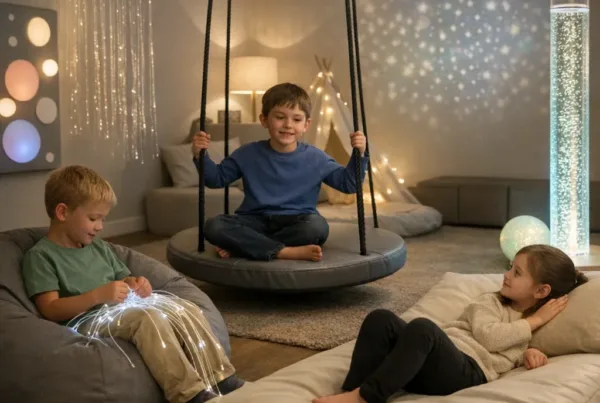
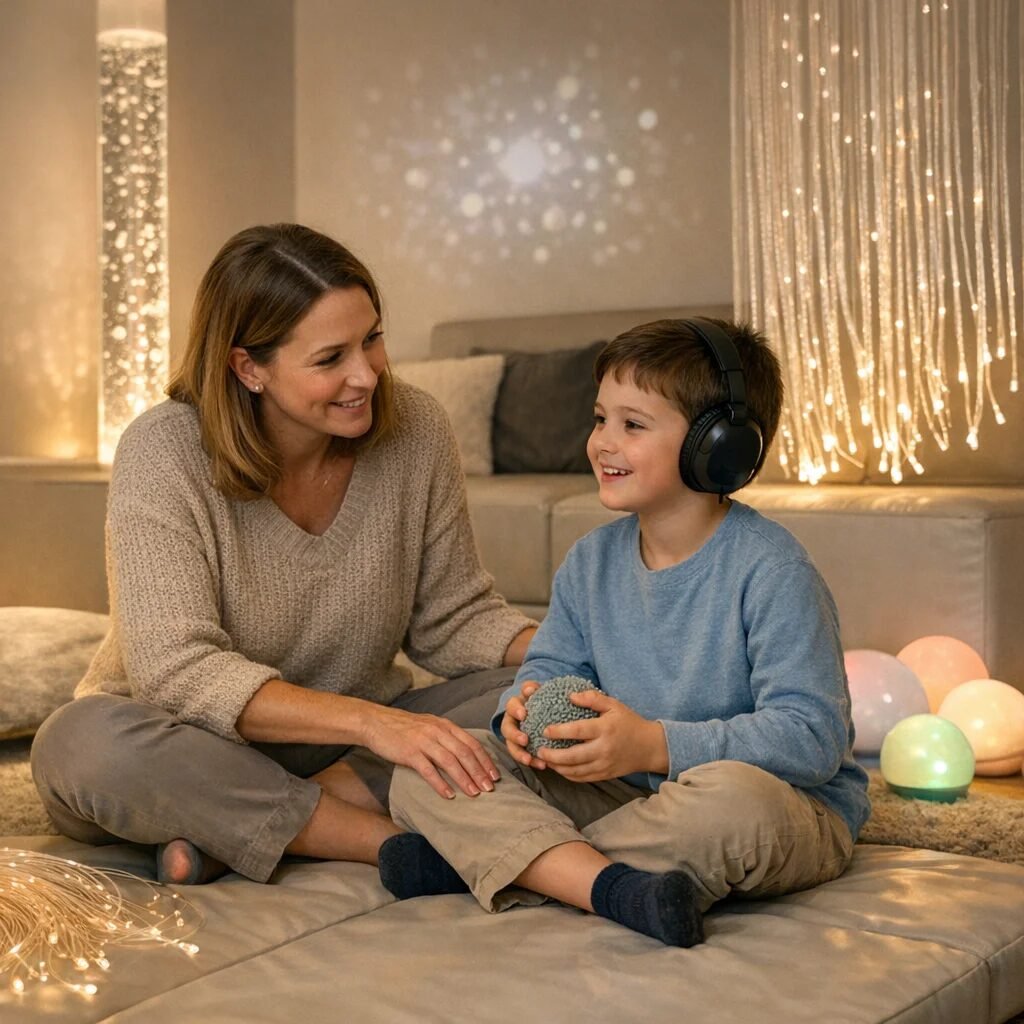
There is also a distinction between a calming sensory room and an alerting sensory room. A calming setup typically uses muted colours, slow-moving lights, soft seating, lower noise levels, and predictable routines. An alerting setup may involve movement equipment, brighter task-focused targets, rhythm, interactive projection, or tactile circuits that increase arousal in a controlled way. Poor design often mixes both without any structure, leaving the user either more dysregulated or confused about what the room is for.
One practical example comes from school settings. A pupil with ADHD who enters a dim room with beanbags and bubble tubes before a handwriting task may become too relaxed to re-engage. The same pupil may do better with a five-minute session that includes wall pushes, resistance bands, stepping targets, and a clear visual timer. By contrast, an autistic pupil recovering from a noisy assembly might find exactly that first setup restorative. The difference is not the quality of the room. It is the match between sensory input and individual need.
Planning a sensory room: start with the person, not the products
The most common mistake in sensory room design is buying equipment before identifying the room’s purpose. A successful sensory room begins with assessment. Adults need to ask what the room should help with: calming after overload, active regulation, communication, movement breaks, sleep preparation, engagement for profound disabilities, or multi-user classroom support. If the room has no clear function, it quickly becomes a storage area full of visually appealing equipment that does little to improve outcomes.
There should also be a basic sensory profile for each regular user or user group. That can be built from observation, parent and staff feedback, therapy input, and patterns of behaviour. Does the person avoid touch, crave movement, respond strongly to fluorescent lighting, or settle with deep pressure? What signs show rising dysregulation? What sensory experiences reliably calm or alert them? This process is often more useful than expensive technology because it prevents adults from assuming all developmental disabilities require the same setup.
In practical terms, room planning should cover six essentials: purpose, users, sensory goals, safety, supervision, and maintenance. A home sensory room may need to support bedtime calming and after-school decompression. A school sensory room may need a timetable, visual rules, and different zones for short interventions. A therapy setting may need equipment positioning that supports therapeutic activities and data collection. For guidance on the design role of equipment and digital features, there can be value in exploring an overview of technology use in sensory rooms.
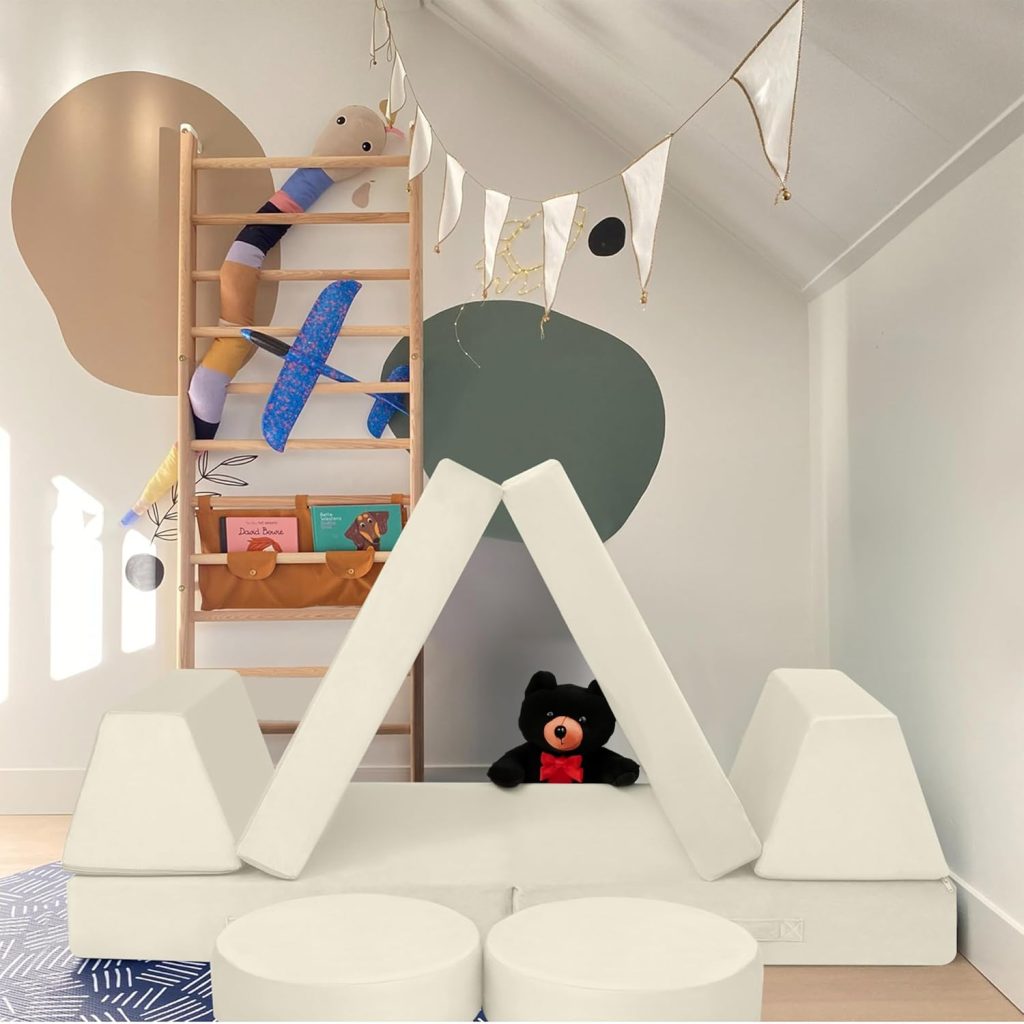
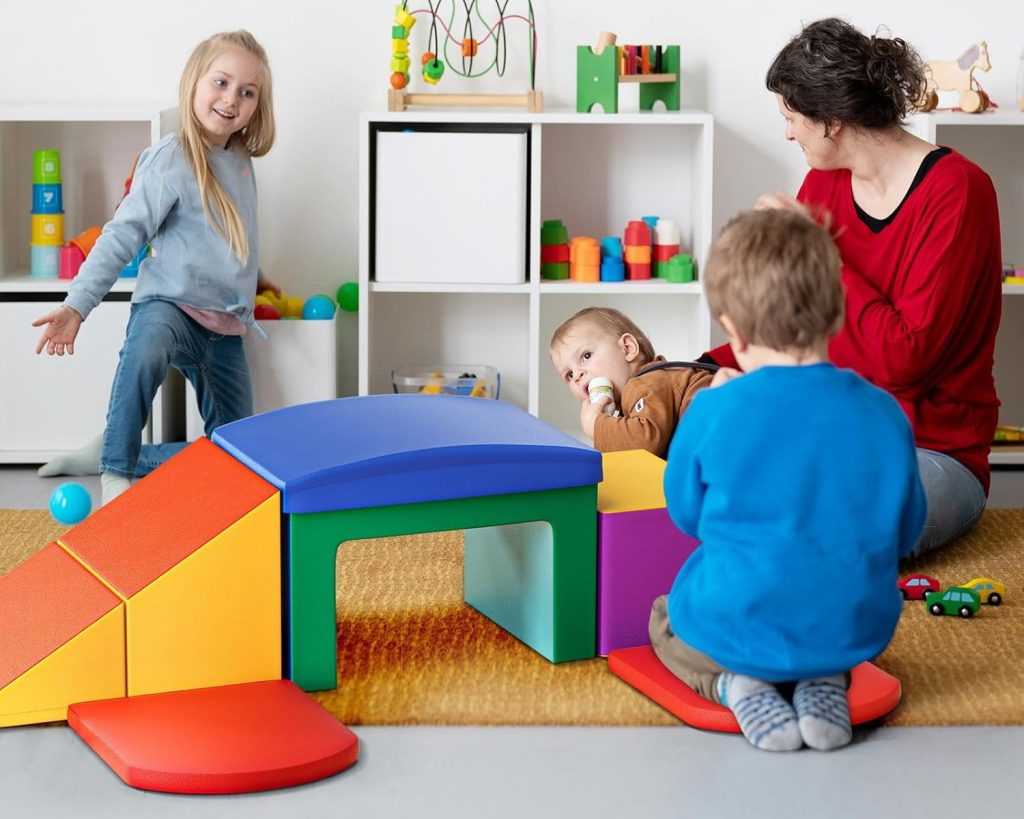
Space constraints should not prevent good planning. A small room can outperform a large one if it has clear zoning and fewer, better-chosen items. One corner may provide deep pressure and soft seating, another may offer tactile exploration, and a wall may support visual focus with dimmable lighting. Overfilling the room is one of the quickest ways to undermine its purpose.
Step-by-step setup advice for home, school, and therapy settings
Step 1: Define the primary outcome
Every sensory room needs one main objective and, at most, a small number of secondary aims. If the primary outcome is calming, the room should minimise sudden sounds, visual clutter, and bright contrast. If the primary outcome is active regulation, movement and resistance-based options should take priority. This single decision shapes every later choice, from wall colour to session length.
At home, families often benefit from choosing one high-pressure point in the day, such as after school or before bed, and building the room around that routine. In schools, the outcome may be transition support between learning blocks. In therapy clinics, goals may include attention, engagement, and body awareness during structured sessions. Rooms that try to fulfil every sensory function at once are harder for adults to use consistently.
Step 2: Create zones
Zoning makes the room readable. Even in a compact space, there should be a visual distinction between calming, active, and exploratory areas. Soft mats and low lighting can signal a quiet zone, while wall-mounted activities, resistance tools, or floor markers can define an active area. This helps users understand what kind of sensory input each part of the room provides.
In schools, zoning also prevents conflict in shared rooms. One learner can use a quiet corner while another completes a brief movement sequence under supervision. In therapy settings, zoning supports transitions within a session: regulation first, then engagement, then calming before returning to class or home. Many planners find it helpful to review sensory room design approaches before committing to a final layout.
Step 3: Control light, sound, and visual load
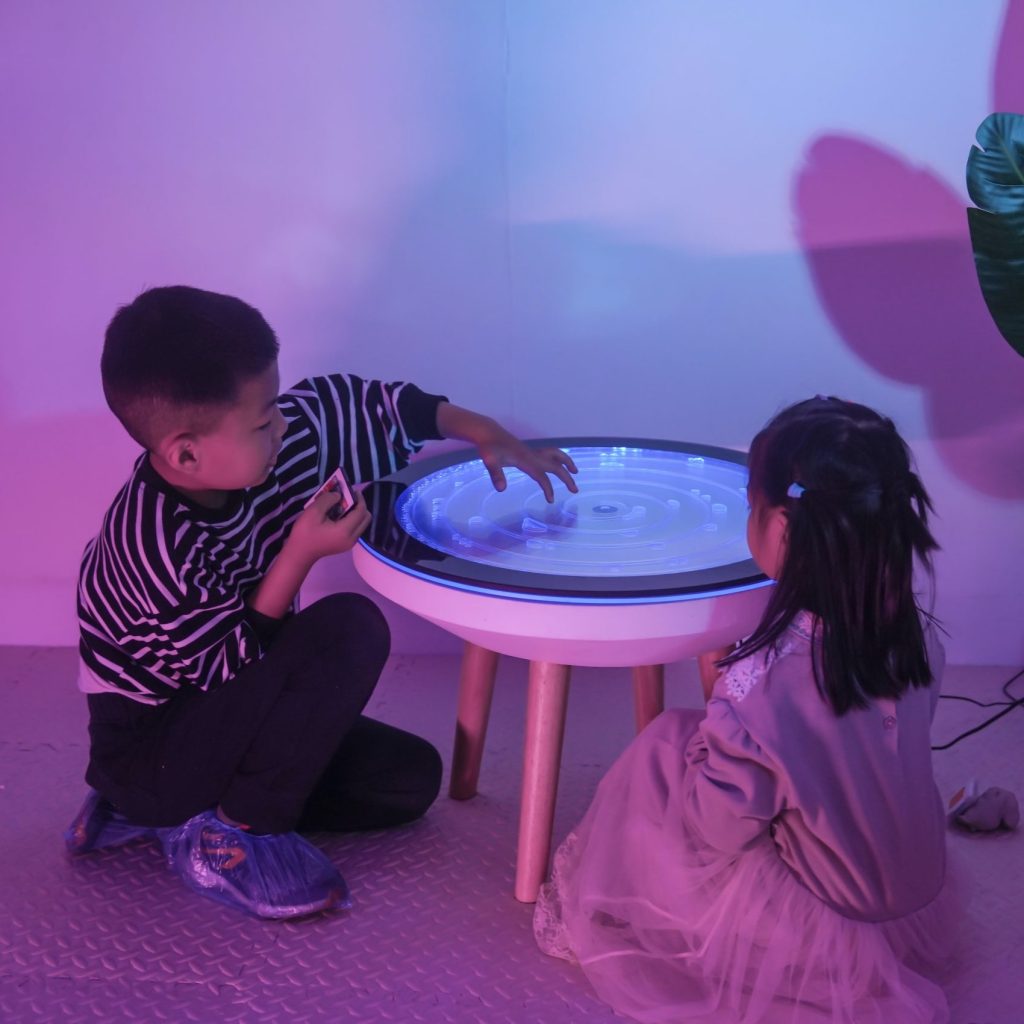
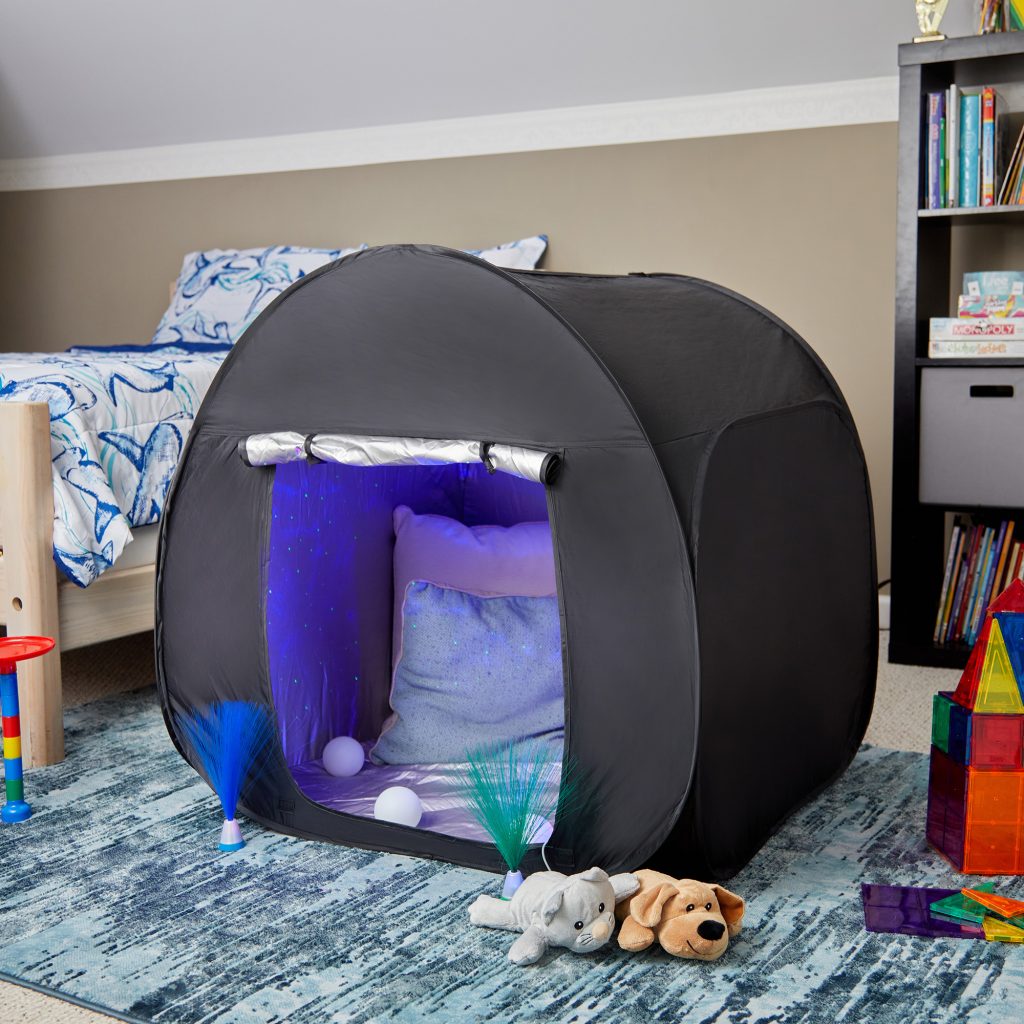
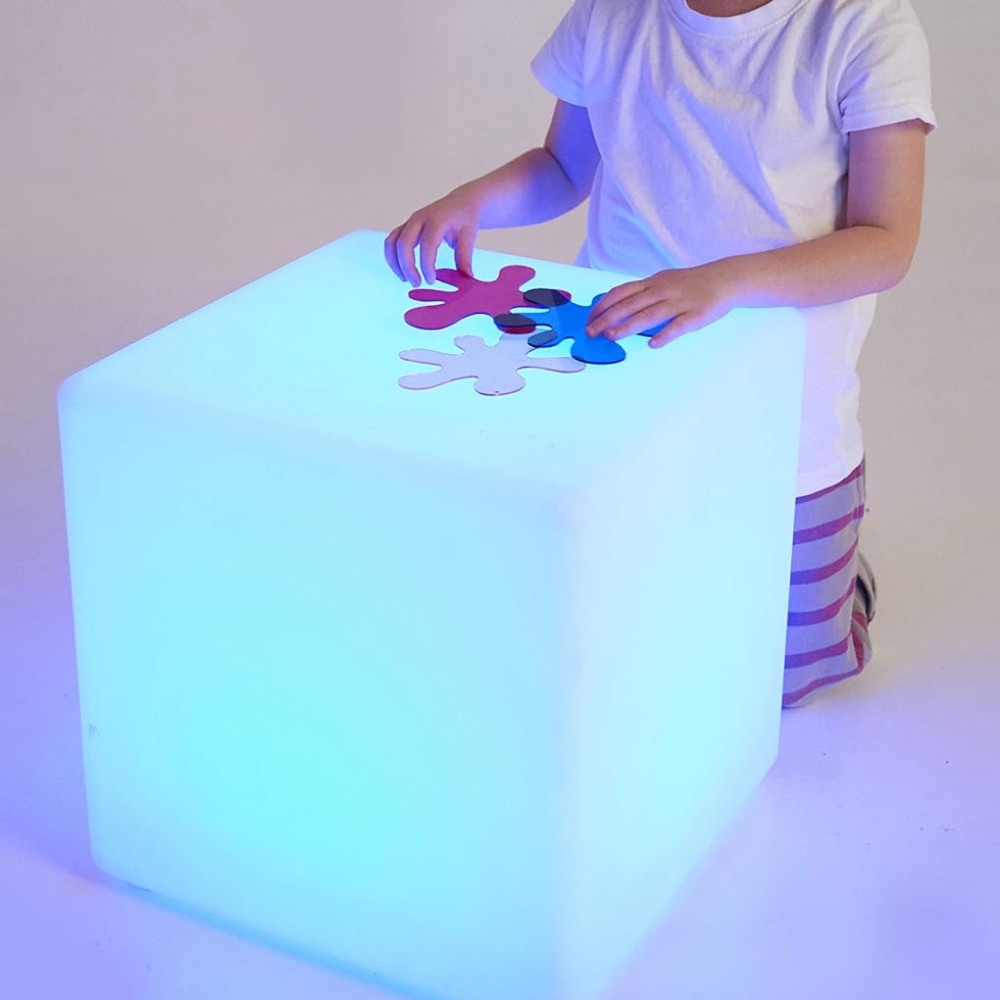
Lighting needs to be adjustable. Dimmable options are far more useful than harsh overhead fittings. Slow-changing visual elements can be calming, but only when they are not competing with several other light sources. A single focal point often works better than four novelty items switched on at once. Sound should be optional and easy to control, with volume limits and the ability to create silence when needed.
Visual load is often underestimated. Bold wall patterns, reflective surfaces, open storage, and too many colours can increase stress for individuals who are visually sensitive. Effective setups tend to use neutral backgrounds with selected sensory focal points. In poor setups, users must work hard just to filter the environment before they can regulate within it.
Step 4: Include supportive, durable equipment
Equipment should be chosen for function, safety, and cleanability. Soft seating, padded flooring, tactile panels, weighted resources used appropriately, and switch-activated cause-and-effect items tend to offer strong value across settings. If a room includes lighting features, they should be robust and easy to manage during short sessions. Some providers use products such as the Moredig Star Projector as a low-cost visual focal point in home spaces, though these work best when paired with dim surroundings and not used alongside multiple flashing devices.
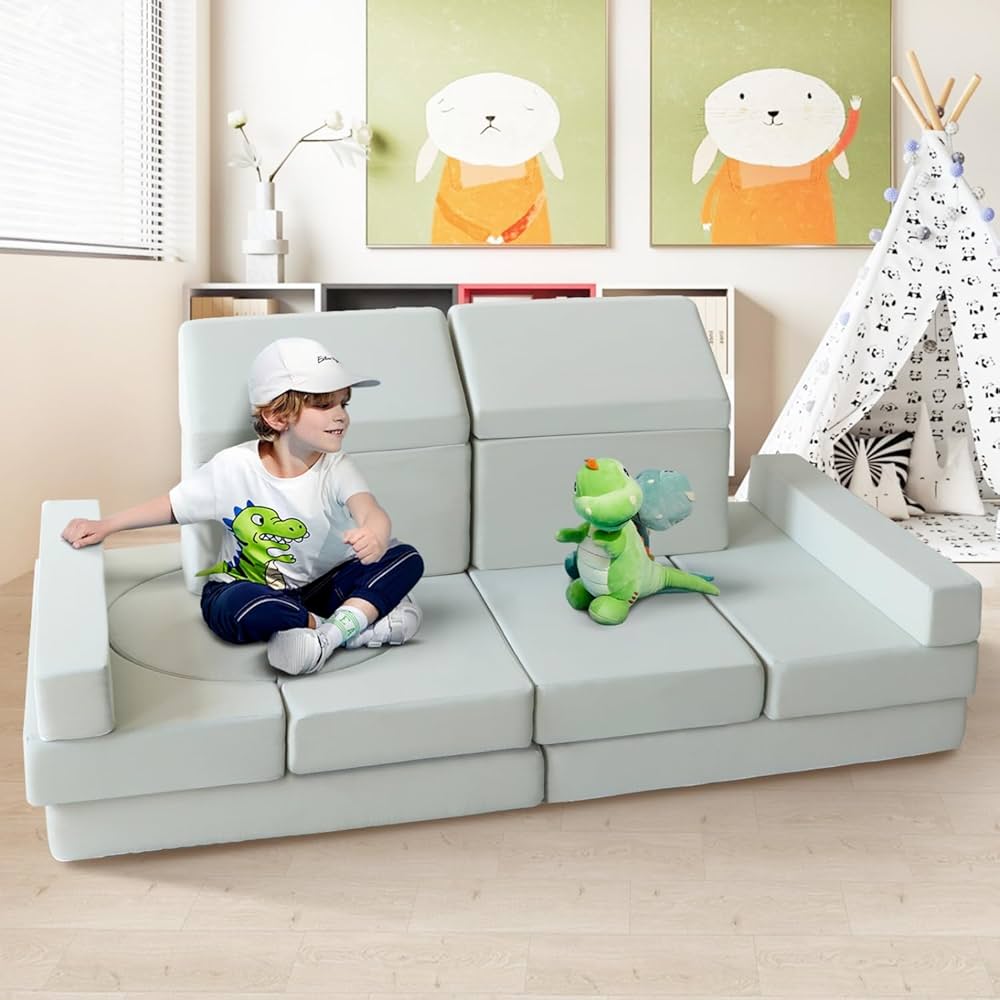
For grounding and comfort, supportive seating matters more than many families expect. A child who cannot feel physically secure is less likely to benefit from visual or auditory input. In home and school calming areas, options like the Intex Beanless Bag Inflatable Lounge Chair can create a contained body position without taking up the floor space of large fixed furniture.
Step 5: Build routine into use
A sensory room should not rely on adults improvising each time. Sessions need clear beginnings, middles, and endings. Visual timetables, first-then boards, countdown timers, and consistent entry routines all reduce uncertainty. For example, a pupil may enter, remove shoes, choose one calming activity, complete a two-minute breathing or pressure routine, and then transition back with a visual cue.
This structure is especially helpful for autistic individuals and those with anxiety, as predictability lowers the cognitive load of entering the room. In therapy settings, routine also improves data collection because adults can compare like-for-like sessions. If a room appears effective one day and ineffective the next, the difference is often not the room itself but inconsistent adult use.
Equipment choices that genuinely help
The best equipment supports common sensory goals without dominating the room. Deep pressure and proprioceptive input are often central for individuals who feel disorganised, restless, or dysregulated. Weighted products can help in short, supervised periods when matched to the person’s needs, but they should never be treated as a universal solution. For some users, a lap pad in a seated activity is more effective than a full weighted blanket because it supports attention without overheating the body.
Tactile resources are another area where quality matters more than quantity. A few contrasting textures, presented neatly and intentionally, typically work better than bins of random fidget items. Users with tactile defensiveness may tolerate smooth silicone or fabric ribbons before they accept rougher textures. Users who seek touch may benefit from textured boards, sensory paths, or putty paired with movement breaks.
For regulation during seated work or transition times, practical items such as the THE TWIDDLERS Fidget Toys can support hand activity, but they should be introduced with rules and purpose. Unstructured access to dozens of hand toys often creates distraction rather than calm. For tactile and grounding play in home or therapy spaces, the Kinetic Sand The Original Moldable Sensory Play Sand can be useful for individuals who settle through repetitive hand-based exploration.
Where body calming is a key aim, some families and practitioners use the Brentfords Weighted Blanket as part of a supervised wind-down routine. It should be used according to manufacturer guidance and individual suitability, especially where there are respiratory, mobility, or temperature regulation concerns. The larger lesson is that equipment should solve a sensory problem, not just look impressive.
Common mistakes and how to avoid them
The first major mistake is overstimulation. Rooms packed with bubble tubes, flashing toys, music systems, projectors, mirrors, and bright wall art may look engaging to adults but can overwhelm the very people they are intended to support. Effective sensory rooms usually have fewer active elements at one time. Adults should be able to reduce the room to one or two sensory channels, such as soft light and deep pressure, when regulation is the goal.
The second mistake is using the room only after dysregulation has escalated. Sensory rooms are often most effective preventatively. A child who always reaches meltdown before being taken to the room may be too overwhelmed to benefit from the environment. Planned use before transitions, after demanding tasks, or at known trigger points is usually more successful than emergency-only access.
A third mistake is poor staffing practice. Adults sometimes talk too much, add demands during calming sessions, or switch on multiple features because silence feels awkward. Skilled practice means observing, waiting, and adjusting the environment instead of filling it with instructions. In a good setup, the adult notices whether the person is becoming more organised, more settled, or more distressed and changes the sensory input accordingly.
A fourth mistake is failing to review effectiveness. If a school has a sensory room but incidents, avoidance, or session refusals continue, the answer is not always more equipment. The room may be associated with work demands, used inconsistently, too stimulating, or simply mismatched to the pupil’s needs. Brief records on entry state, chosen activities, and exit state can quickly reveal what is and is not working.
Adapting sensory rooms for different developmental needs
Individuals with autism often benefit from predictability, controllable sensory input, and reduced environmental clutter. Sessions should support either decompression or purposeful engagement, not both at the same time unless the person transitions well between levels of arousal. Visual supports, single-step routines, and options for deep pressure or repetitive movement are often beneficial. For those who are sound-sensitive, access to quiet may be more valuable than any specialist equipment.
For ADHD, the sensory room often works best when it includes movement, resistance, rhythm, and time-limited tasks. Children who are under-alert may need active input before returning to class. This might include pushing against a wall, animal walks, stepping patterns, or brief bouncing and stretching under supervision. A purely passive room can sometimes leave these users less ready for learning.
For sensory processing disorder or developmental delay, the room can help build tolerance gradually. A therapist may introduce one texture, one sound, or one movement pattern at a time, pairing sensory input with communication and choice-making. In contrast, for individuals with profound disabilities, the focus may be on positioning, resonance, gentle vibration, visual tracking, breath pacing, and relational interaction. The sensory room becomes a place for shared experience rather than independent play.
In dementia-related care, the sensory room should be distinctly different again. Familiar music, warm but not dim lighting, tactile blankets, memory prompts, and comfortable seating often work better than colour-changing novelty equipment. The principle remains the same across all groups: the room should match sensory need, cognitive ability, and therapeutic aim.
Measuring success in real-world use
A sensory room is successful when it changes daily functioning, not merely when users appear to enjoy entering it. Indicators of success include shorter recovery time after stress, better transitions, improved attention after sessions, fewer distressed behaviours, increased communication, or greater willingness to participate in other activities. These outcomes can be observed by parents, educators, and therapists and should be reviewed regularly.
Simple measurement tools are often enough. Adults can rate regulation on entry and exit, note which equipment was used, record session length, and track what happened immediately afterward. Patterns usually emerge quickly. A learner may consistently return to class more settled after proprioceptive activities but not after free choice with lights. A child at home may fall asleep more easily after deep pressure and low light but become stimulated by projector use too close to bedtime.
Good sensory room design is a process of refinement. Needs change with age, stress, health, puberty, medication, and environment. The room that worked for a six-year-old may not work for the same child at ten. The strongest sensory spaces remain flexible, data-informed, and person-centred from the first planning decision to the last piece of equipment.
Frequently Asked Questions
Who benefits most from using sensory rooms for individuals with developmental disabilities?
People with autism, ADHD, sensory processing differences, developmental delay, profound learning disabilities, and some forms of dementia-related cognitive change may all benefit. The key factor is whether the room is tailored to the person’s sensory profile and daily challenges rather than based on a generic design.
What should be in a sensory room for autism?
A sensory room for autism often includes adjustable lighting, soft seating, reduced visual clutter, tactile options, and opportunities for deep pressure or repetitive calming input. The exact combination depends on whether the person needs a calming retreat, an engagement space, or structured sensory breaks.
Can a sensory room help a child with ADHD?
Yes, a sensory room can help a child with ADHD when it includes active regulation tools such as movement, proprioceptive input, and short structured routines. Passive calming features alone are not always enough, especially for children who need alerting input before learning tasks.
How long should a sensory room session last?
Many effective sessions last between 5 and 20 minutes, depending on the goal and the individual. Short, well-timed sessions used consistently are often more effective than long, unstructured visits.
What is the biggest mistake when designing a sensory room?
The biggest mistake is overstimulation through too many lights, sounds, colours, and activities in one space. A sensory room should feel controlled and purposeful, with features that can be adjusted or switched off easily.
Do sensory rooms work at home as well as in schools?
Yes, home sensory rooms can be highly effective, especially for after-school decompression, sleep routines, and emotional regulation. They do not need to be large or expensive, but they do need a clear purpose, simple routine, and equipment chosen for the child’s actual needs.
How can adults tell if a sensory room is working?
Adults should look for changes in regulation, behaviour, communication, and participation after sessions. If the person consistently leaves calmer, more focused, or better able to transition, the room is likely supporting them effectively.