

Table of contents
What are flashcards?
Understanding what are flashcards and visual cue cards is essential, as these tools are designed to aid learning and communication. These simple yet effective tools feature images, words, or symbols that convey specific concepts or instructions. For individuals with autism, who often excel at visual processing, these cards serve as powerful aids in understanding and expressing their needs.
Visual cue cards, like “Stop,” “I Need Help,” or “Take a Break,” are designed to address specific needs or behaviours. Flashcards, on the other hand, are versatile tools that help teach vocabulary, emotions, and even daily routines. Incorporating these tools into everyday life can empower individuals with autism, enabling them to navigate the world with greater independence and confidence.
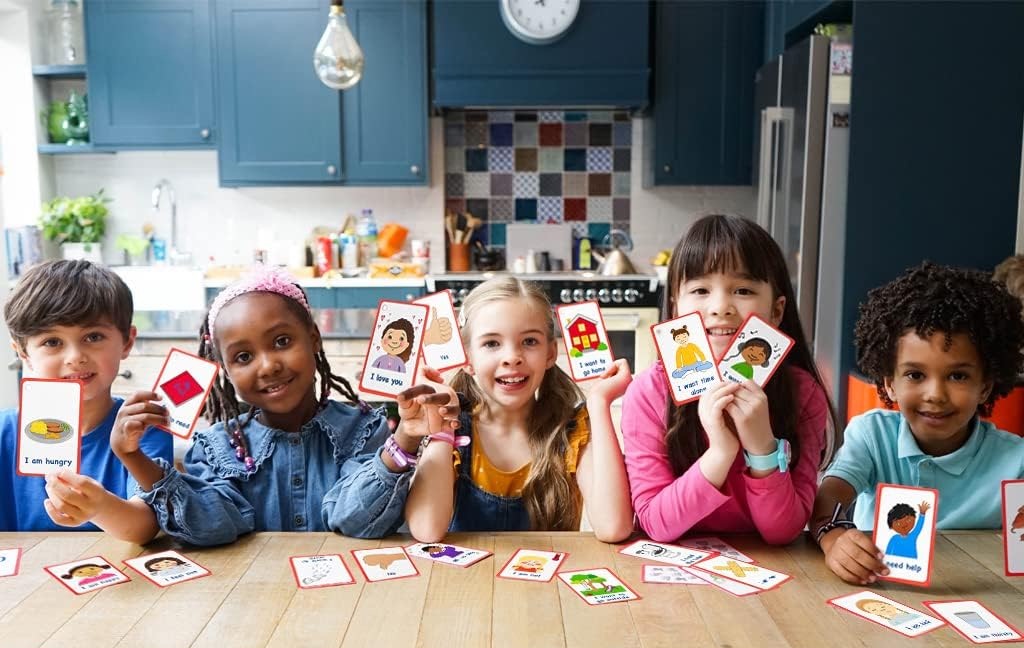
Image by Amonev Store
The benefits of flashcards for autism
Enhanced communication skills
Flashcards and visual cue cards help bridge communication gaps by providing clear and consistent visual language. For non-verbal individuals or those with limited verbal skills, these tools enable effective expression of thoughts, needs, and emotions. For instance, Picture Exchange Communication System (PECS) cards allow users to exchange images to request items or express feelings, fostering meaningful interactions. Just as sensory rooms create tailored environments for sensory and emotional needs, flashcards offer personalised tools that enhance communication and understanding.
Supporting emotional regulation
Calming visuals and structured cue cards play a significant role in emotional regulation. Cards like “Take a Break” or “Calm Down” provide immediate strategies for managing overwhelming situations. These tools can reduce anxiety and help individuals recognise and address their emotional states. When considering what is a sensory room, it’s clear that both sensory rooms and flashcards serve as valuable tools to support emotional balance in stressful or overstimulating moments.
Encouraging independence
Teaching autonomy through visual supports, such as PECS cards, empowers individuals to make choices, follow routines, and communicate needs without reliance on others. This independence builds confidence and prepares them for real-world scenarios. Similar to the way sensory rooms are intentionally designed to promote calm and focus, flashcards encourage users to navigate their world with increased independence and self-assurance.
What are the types of flashcards and visual cue cards?
Old-school flashcards
Traditional flashcards, often made of durable materials like laminated paper, depict objects, actions, emotions, or scenarios. These are ideal for one-on-one teaching, helping individuals build vocabulary and recognise patterns through repetition.
Digital flashcards
Interactive digital flashcards bring learning to life through apps and tablets. They combine visuals with sounds and animations, enhancing engagement and retention. Many digital tools allow customisation, enabling carers to tailor content to the individual’s needs.
PECS cards
PECS cards are specifically designed to teach functional communication. They are used in a structured exchange system where users present a card to communicate a need or request. This system is highly effective in fostering communication and reducing frustration for non-verbal individuals.
Practical applications of flashcards
My child is a visual learner. What does that mean?
Understanding that your child is a visual learner means recognising their ability to process and retain information more effectively through images rather than words. Flashcards leverage this strength, making them ideal tools for teaching new concepts.
A practical guide to creating visual schedules
Understanding what are flashcards reveals their versatility; for instance, they can be used to create visual schedules that outline daily routines step-by-step. This structured approach provides clarity, reduces anxiety about transitions, and fosters independence.
Using a social story
Social stories paired with visual supports can prepare individuals for specific events, such as a fire drill. Flashcards illustrating key steps (e.g., “Alarm Sound,” “Line Up,” “Exit Safely”) help convey expectations and ensure understanding.
How to write social stories
Writing effective social stories involves pairing clear, concise text with visuals to describe social situations. Flashcards can illustrate key moments, helping individuals navigate social challenges confidently.
Utilising video self-modeling interventions at home with a tablet
Combine flashcards with video modelling to reinforce concepts. For instance, showing a video of the child performing a task, paired with relevant flashcards, can enhance learning and encourage skill acquisition.
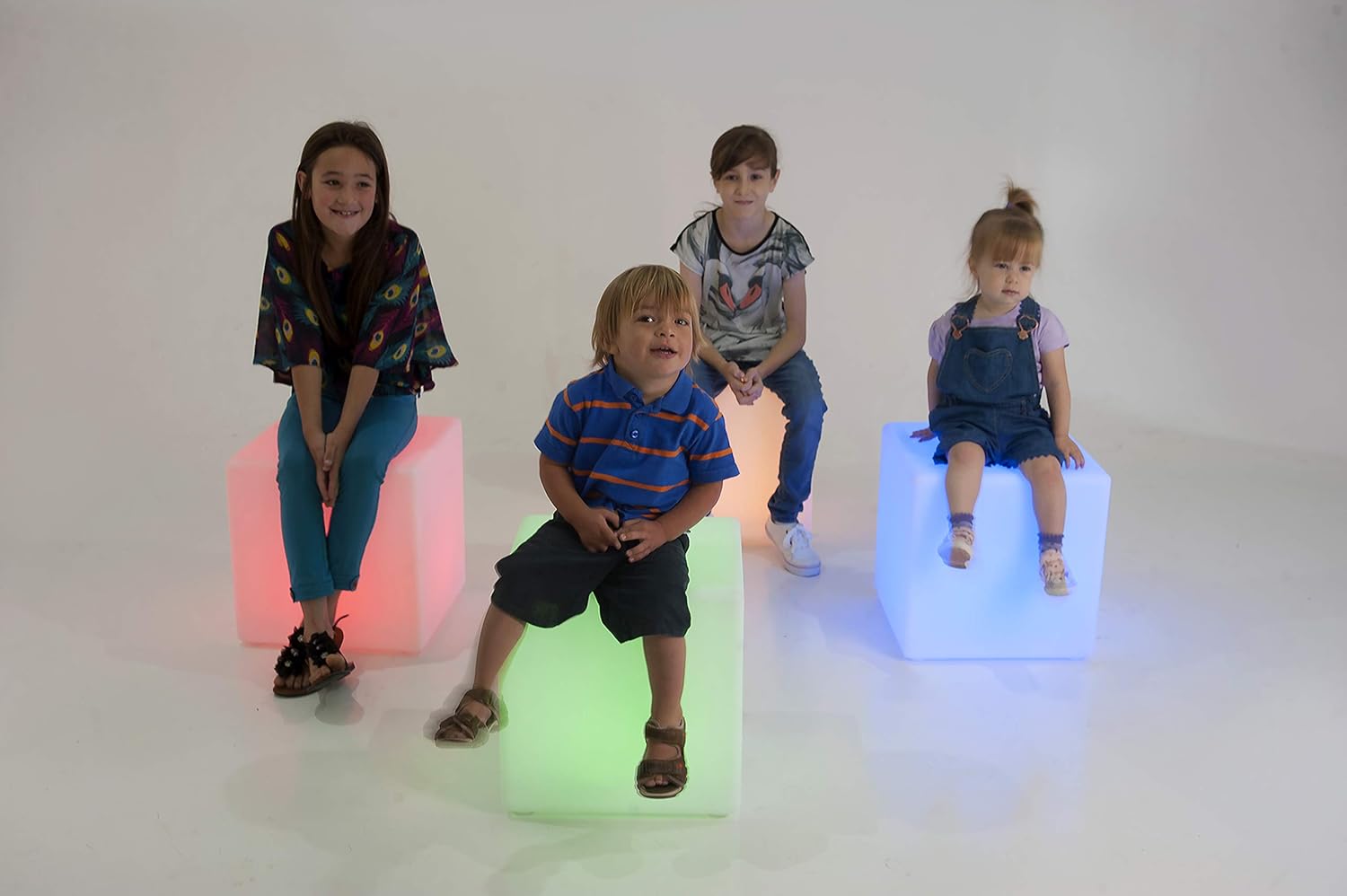
Image by TickiT
How to create a sensory-friendly environment
Teaching with visual supports
Incorporating visual supports into teaching environments helps individuals process instructions more effectively. Use flashcards to break down tasks or reinforce learning in a structured and supportive manner.
Calming favourites
Include calming visuals, like nature scenes or soothing colours, in sensory rooms. Pair these with visual cue cards that guide relaxation techniques, such as deep breathing or quiet time.
Sensory & OT tools
Combine flashcards with sensory and occupational therapy tools, like fidget toys or weighted blankets, to enhance focus and engagement.
Sensory room equipment
Use furniture that supports sensory needs, such as bean bags, swings, or soft mats, alongside flashcards that outline how to use these items effectively for self-regulation.
For more recommendations, explore our top sensory room equipment.
Additional tips for parents and educators
Focus helpers
Use flashcards with timers or task-specific visuals to aid focus during activities. These can help individuals stay on track and understand task durations.
Toys & gifts for visual learners
Select toys and gifts that incorporate visual elements, like puzzles, matching games, or digital learning tools. Pair these with flashcards to maximise their educational value.
How to use PECS to give your child with autism the voice they need
Start with simple, high-interest cards, such as favourite foods or toys, and gradually expand the system. Consistency and patience are key to successful PECS implementation.
Conclusion
So, in summary, what are flashcards? Flashcards and visual cue cards are transformative tools for individuals with autism, offering clear pathways to communication, learning, and independence. Whether through traditional or digital means, these tools provide a foundation for growth and connection. By incorporating them into daily routines and learning environments, families and educators can unlock their potential to create meaningful, supportive experiences.
Let’s embrace these tools to empower individuals with autism and help them thrive!