Table of contents
What are the disadvantages of a sensory room?
A sensory room can be a helpful and calming space for many people, but it is not without disadvantages. The main drawbacks include high setup and maintenance costs, the risk of overstimulation, limited effectiveness without proper planning, space requirements, staffing or supervision needs, and the possibility of becoming a short term fix instead of addressing deeper needs. While sensory rooms can offer real benefits, they work best when they are carefully designed, regularly reviewed, and used as one part of a wider support approach.
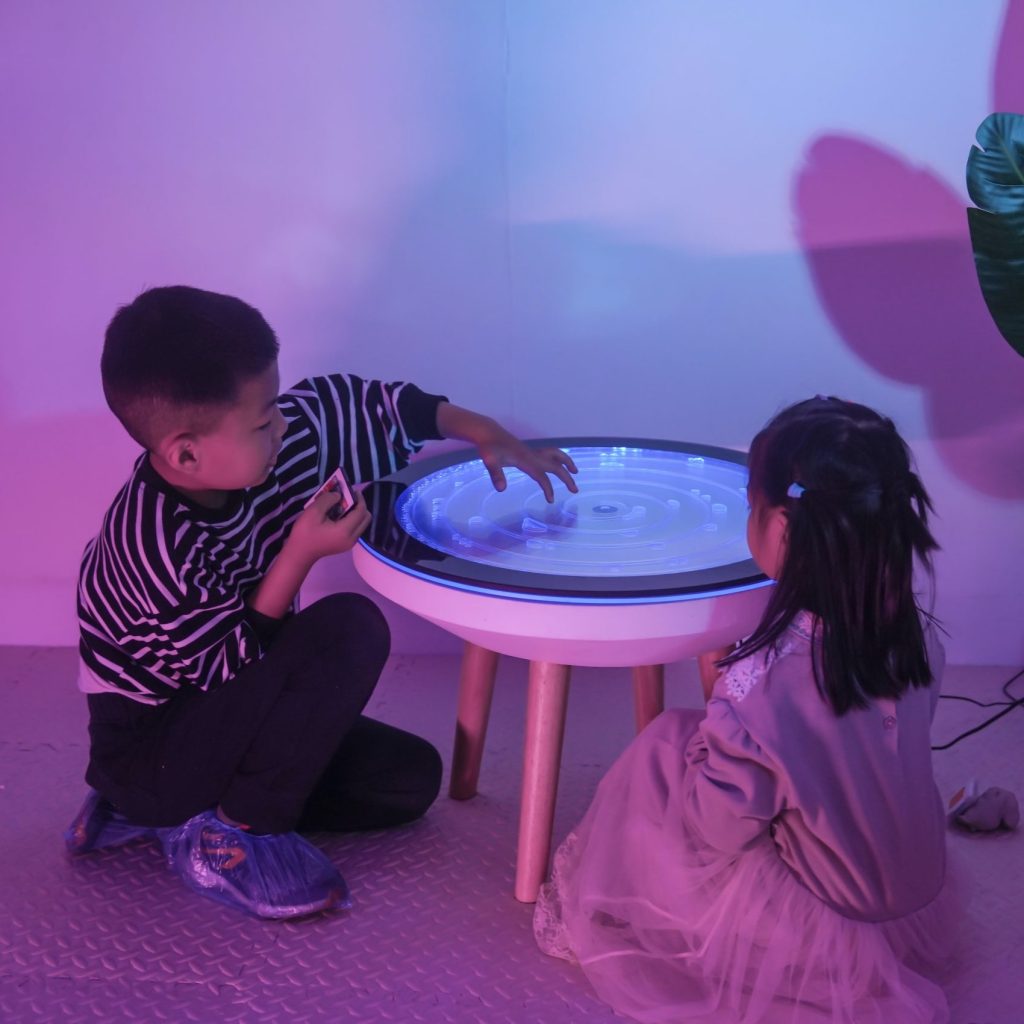
Sensory rooms are often created in schools, therapy centres, hospitals, care homes, and even private homes. They may include soft lighting, textured surfaces, calming sounds, bubble tubes, weighted items, and interactive equipment. These features can support relaxation, focus, sensory regulation, and emotional wellbeing. However, it is important to understand that what helps one person may not help another. A sensory room is not automatically a perfect solution, and in some cases it can create new challenges.
Understanding the purpose of a sensory room
A sensory room is designed to provide controlled sensory experiences. For some people, it can create a safe and soothing environment that helps reduce anxiety, improve concentration, or support sensory processing. These rooms are commonly used by people with autism, ADHD, sensory processing difficulties, dementia, or learning disabilities, but they can also benefit people who simply need a quiet place to reset.
Even though the goal is positive, sensory needs are highly individual. A room that feels calming to one person might feel confusing or overwhelming to another. This is one reason why sensory rooms can have disadvantages. When people assume that one room will meet everyone’s needs, they may overlook personal preferences, triggers, and different ways of responding to sound, light, touch, or movement.
The cost of building and maintaining a sensory room
One of the biggest disadvantages of a sensory room is the cost. Creating a quality sensory space can be expensive, especially when specialised equipment is involved. Bubble tubes, fibre optic lights, projectors, soft play items, sensory seating, wall panels, sound systems, and weighted products can add up quickly. If the room is designed professionally, the cost can rise even further.
The expense does not stop once the room is built. Equipment needs to be cleaned, tested, repaired, and sometimes replaced. Technology can become outdated, and heavily used items may wear out fast. For schools and organisations working with limited budgets, this can create pressure. Money spent on a sensory room might reduce funding available for staffing, therapy services, training, or other support tools that could arguably have a broader impact.
Common cost related challenges
- High initial setup costs for equipment and design
- Ongoing maintenance and replacement expenses
- Energy costs for lighting and electronic devices
- Cleaning and hygiene requirements
- Budget trade offs with other services and resources
These financial concerns do not mean sensory rooms are never worth the investment. However, they should be considered carefully before committing to the project. A lower cost sensory corner or portable sensory tools may sometimes be a more practical and flexible choice.
The risk of overstimulation
It may sound surprising, but a sensory room can sometimes do the opposite of what it is meant to do. Instead of helping a person feel calm, it can overstimulate them. Bright lights, moving projections, sounds, textures, and interactive features may be too much for someone who is already overloaded. For individuals with sensory sensitivities, too many elements at once can increase stress rather than reduce it.
This is especially true when sensory rooms are designed based on appearance rather than actual user needs. A room filled with colourful equipment may look impressive, but if there is no balance or control, it may become chaotic. Overstimulation can lead to agitation, shutdown, distress, or avoidance of the space altogether. This is why sensory room design should focus on function, not just visual appeal.
Why overstimulation happens
In some cases, overstimulation happens because too many sensory inputs are active at the same time. A person may be expected to tolerate flashing lights, background music, vibrating cushions, and moving visuals all in one session. Even if each item is enjoyable on its own, combining them can become overwhelming.
It can also happen when staff or caregivers do not fully understand the person’s sensory profile. Without observation and adjustment, the room may be used in a way that does not match the person’s tolerance level. This can reduce trust in the space and make future use less effective.
It may not meet every individual’s needs
Another disadvantage is that sensory rooms are often treated as universal solutions when they are not. Sensory preferences vary greatly. Some people seek movement and strong input, while others need quiet and very low stimulation. Some enjoy tactile objects, while others find them unpleasant. Because of this, one room cannot always serve every user equally well.
Even within the same diagnosis, sensory needs can be very different. Two autistic children, for example, may respond in completely opposite ways to the same environment. One may love soft lighting and music, while the other may need silence and darkness. If a sensory room is too general, it may end up being only partly helpful, or not helpful at all, for many of the people it was meant to support.
This issue becomes even more noticeable in shared settings such as schools or clinics. Staff may need to make ongoing adjustments between users, and this takes time and planning. Without a flexible setup, the room may favour one group while excluding another.
A sensory room is not a replacement for therapy or support
Sensory rooms can be valuable tools, but they are not a cure and should not replace proper assessment, therapy, or personalised support. One disadvantage is that some people may view the room as a complete answer to behavioural, emotional, or sensory challenges. This can lead to unrealistic expectations and disappointment.
For example, a child who is struggling in school may benefit from a sensory room break, but that break alone will not solve underlying issues such as communication difficulties, unmet learning needs, anxiety, or lack of accommodations in the classroom. In the same way, a calming room in a care home may provide comfort, but it does not replace good dementia care, social connection, or medical support.
When sensory rooms are used as stand alone solutions, they can distract from the bigger picture. The best outcomes usually happen when the room is part of a wider plan that includes observation, staff training, communication strategies, and individual support goals.
Space limitations can be a real problem
A dedicated sensory room requires physical space, and this can be a major disadvantage in many settings. Schools, clinics, and homes often have limited room to spare. Giving up a classroom, office, storage area, or therapy space for a sensory room may not always be practical. In smaller buildings, creating a full sensory room may simply not be possible.
Even when a space is available, the layout matters. A room that is too small can feel cramped or unsafe, especially if large equipment is installed. On the other hand, a room that is too open or poorly arranged may not feel secure or calming. Storage for portable items, easy cleaning access, and safe movement around the room also need to be considered. If the room is awkwardly designed, it may become difficult to use effectively.
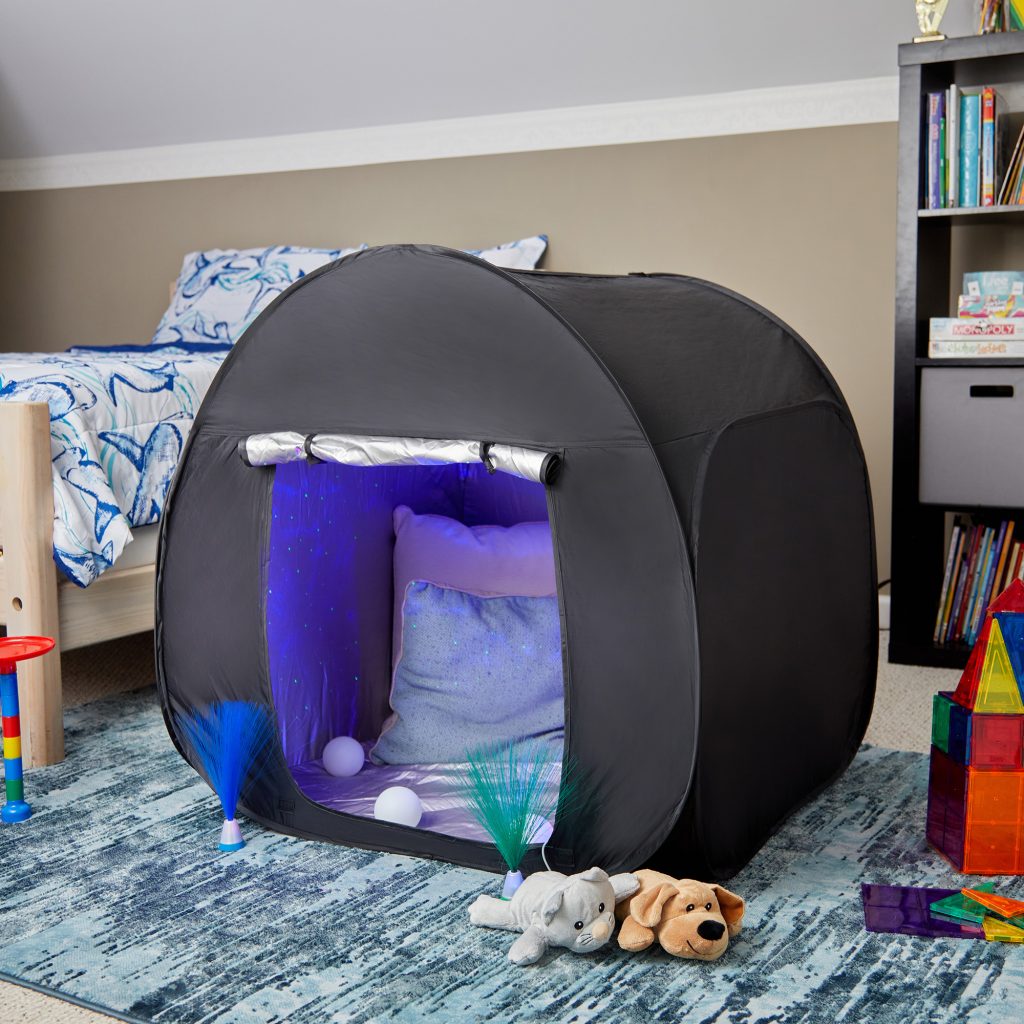
This is one reason why some organisations choose sensory corners, mobile sensory trolleys, or multi use calm rooms instead. These options may not offer the same experience as a full sensory room, but they can be more realistic and easier to manage.
Staff training and supervision are often needed
A sensory room may look simple to use, but getting the best results often requires training and supervision. This is another disadvantage that can be overlooked. Staff need to understand how different sensory inputs affect different people, how to introduce the room safely, and how to notice signs that someone is becoming more dysregulated rather than more settled.
Without proper guidance, a sensory room can be misused. A child might be sent there as a punishment or simply to be removed from a classroom, which changes the purpose of the space entirely. In other cases, a room may be used without clear goals, making it hard to know whether it is actually helping. Poor supervision can also create safety issues, especially if users climb on equipment, chew items, or react unpredictably to stimulation.
Training gaps can lead to poor outcomes
- Staff may not know how to match room features to individual needs
- The room may be used inconsistently by different team members
- Users may stay too long or not long enough in the space
- Warning signs of distress or overload may be missed
- The room may lose value if no one tracks outcomes or reviews use
This does not mean every sensory room needs a specialist present at all times. However, at least some level of staff understanding is usually necessary if the room is to be safe and effective.
There can be safety, hygiene, and accessibility concerns
Sensory rooms can present practical concerns that are easy to underestimate. Safety is one of them. Electrical equipment, hanging lights, soft furnishings, water features, dark corners, and movable items all need to be checked carefully. Some users may have physical disabilities, epilepsy, allergies, or medical conditions that require additional planning. A room that is calming for one person may contain risks for another.
Hygiene is another issue, especially in shared environments. Cushions, chewable items, tactile panels, weighted blankets, and soft play pieces can collect dirt and germs if not cleaned often. In schools, healthcare settings, and care homes, this can quickly become a concern. Accessibility matters too. If a room is not wheelchair friendly, easy to navigate, or adaptable for people with visual or hearing impairments, then it may exclude some of the very people it is meant to help.
These concerns do not make sensory rooms a poor idea by default, but they do increase the level of planning needed. A room should be more than attractive. It should also be safe, clean, inclusive, and easy to maintain over time.
Dependency and avoidance can sometimes develop
In some situations, users may become too reliant on the sensory room as their main coping strategy. While it is positive for someone to know where they feel safe, there can be a downside if they begin to depend on that one environment and struggle to regulate anywhere else. This can limit progress in real world settings such as classrooms, workplaces, public spaces, or home routines.
A sensory room should ideally help the person build skills that transfer beyond the room. If it becomes an escape from every challenge, rather than a support for learning regulation, it may unintentionally reinforce avoidance. For example, a child may want to leave class every time work becomes difficult, or an adult may rely on the room instead of practising other coping tools. The aim should be balance, not dependence.
This does not mean breaks or retreat spaces are harmful. In many cases they are extremely useful. The key is how they are used. With good support, the sensory room can be one tool among many, not the only place where comfort and regulation are possible.
How to reduce the disadvantages of a sensory room
The disadvantages of a sensory room can often be reduced through thoughtful planning. The first step is to focus on the needs of the users rather than trends or appearance. A well designed room does not need to include every sensory item available. In fact, simpler spaces are often more effective because they can be adjusted more easily and are less likely to overwhelm.
It also helps to review the room regularly. Ask what is being used, what is being avoided, and what outcomes are being noticed. Observe whether users leave feeling calmer, more focused, or more distressed. If possible, involve occupational therapists, teachers, caregivers, or the users themselves in planning and evaluation.
- Carry out individual sensory assessments where possible
- Choose flexible and adjustable equipment
- Train staff on safe and purposeful use
- Keep cleaning, maintenance, and safety checks routine
- Use the room as part of a broader support plan
When sensory rooms are personalised and well managed, many of their disadvantages can be limited. The key is not to assume the room will succeed on its own. It needs intention, review, and a clear understanding of who it is for.
Conclusion
Sensory rooms can be wonderful spaces, but they are not perfect and they do come with disadvantages. The most common challenges include high costs, the possibility of overstimulation, space and maintenance demands, the need for staff training, and the risk of relying on the room as a quick fix. They also may not meet every person’s needs equally, especially if they are designed without enough flexibility or understanding.
The good news is that these disadvantages can often be managed with thoughtful design and realistic expectations. A sensory room should not be judged only by how appealing it looks, but by how well it supports the people using it. When approached carefully, it can be a useful part of a wider support strategy. When approached casually, it may become expensive, underused, or less helpful than expected.
FAQ
Are sensory rooms bad?
No, sensory rooms are not bad. They can be very beneficial for some people. The issue is that they are not suitable for everyone in the same way, and they need to be planned and used carefully to avoid problems such as overstimulation or poor use of resources.
Can a sensory room make anxiety worse?
Yes, it can if the room is too stimulating or does not match the person’s sensory needs. Bright lights, sounds, or too many interactive features can increase stress for some users instead of helping them relax.
Why are sensory rooms expensive?
Sensory rooms often require specialised equipment, safe installation, ongoing cleaning, repairs, and regular updates. These costs can be significant, especially for larger or more advanced spaces.
Do sensory rooms work for everyone?
No. Sensory needs are highly individual. A room that works very well for one person may be uncomfortable or ineffective for another. This is why personalisation is so important.
Is a sensory room enough on its own?
Usually not. A sensory room is best used as one part of a wider support plan. It does not replace therapy, education strategies, emotional support, or professional assessment.
What is a good alternative to a full sensory room?
A sensory corner, calm room, portable sensory kit, or personalised sensory tools can be good alternatives. These options are often more affordable, flexible, and easier to fit into smaller spaces.