Table of contents
A sensory room helps a child regulate their nervous system, feel safe in their body, and engage with the world in a way that matches their sensory needs. In my experience designing sensory spaces and supporting autistic children, children with ADHD, and those with sensory processing differences, the best sensory rooms are not just calming spaces; they are practical tools for emotional regulation, learning, communication, and recovery from overwhelm.
I have seen a well-designed sensory room turn post-school meltdowns into manageable transitions, help a child tolerate therapy for longer, and give non-speaking children a reliable way to reconnect when the environment feels too intense. When people ask me, “What does a sensory room do for a child?” my answer is simple: it gives the child a controlled sensory environment where their brain and body can either calm down, wake up, organise, or refocus, depending on what they need in that moment.
Highlights
A sensory room provides a child with a safe, structured environment to regulate sensory input, reduce stress, improve focus, and support emotional wellbeing. When planned properly, it can help with calming, alerting, communication, movement, and self-regulation across home, school, and therapy settings.
What a sensory room actually does for a child
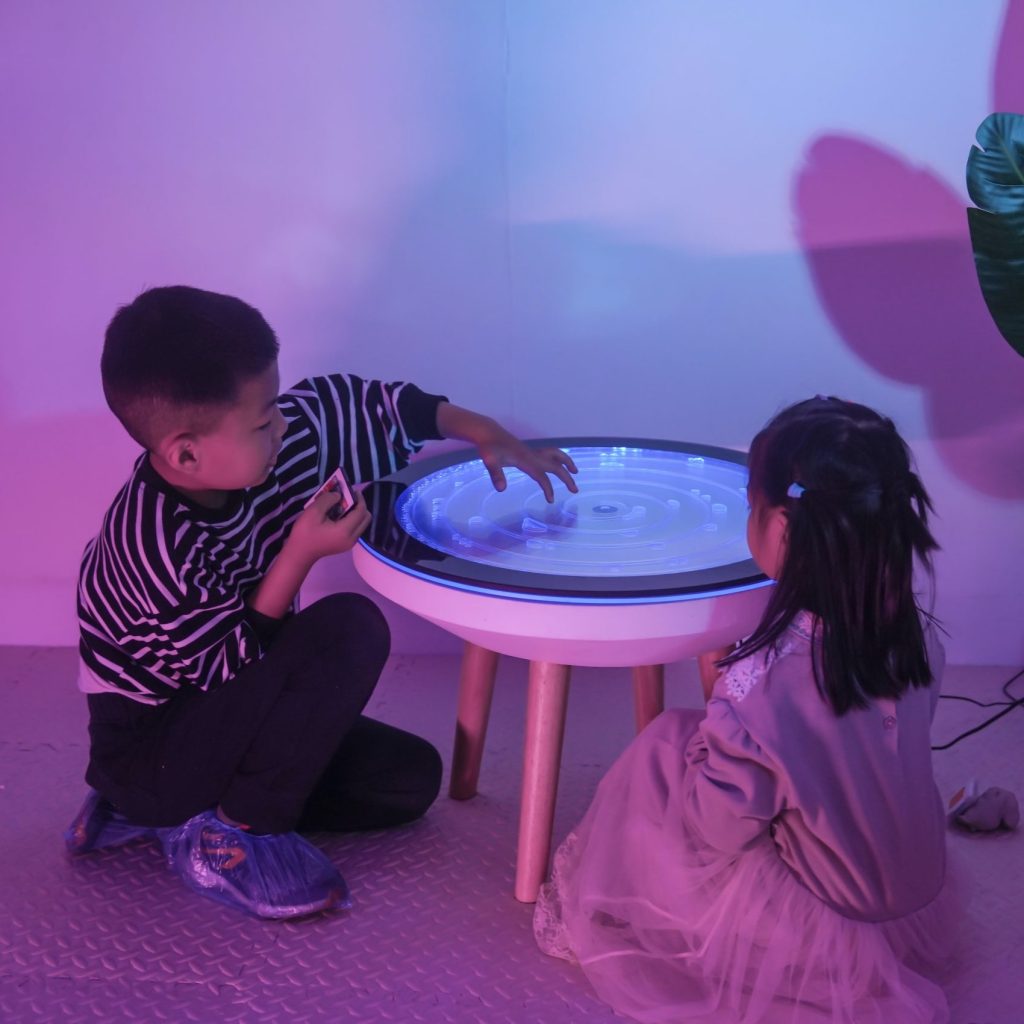
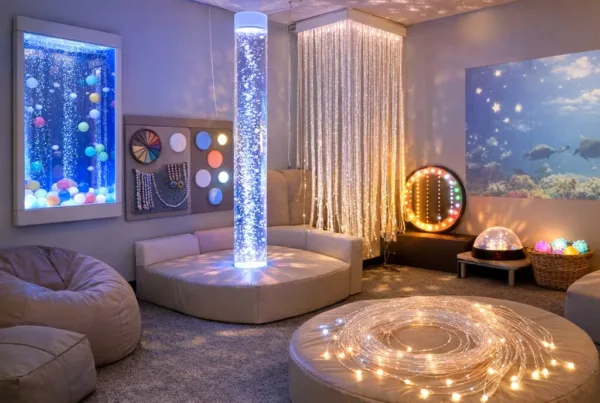
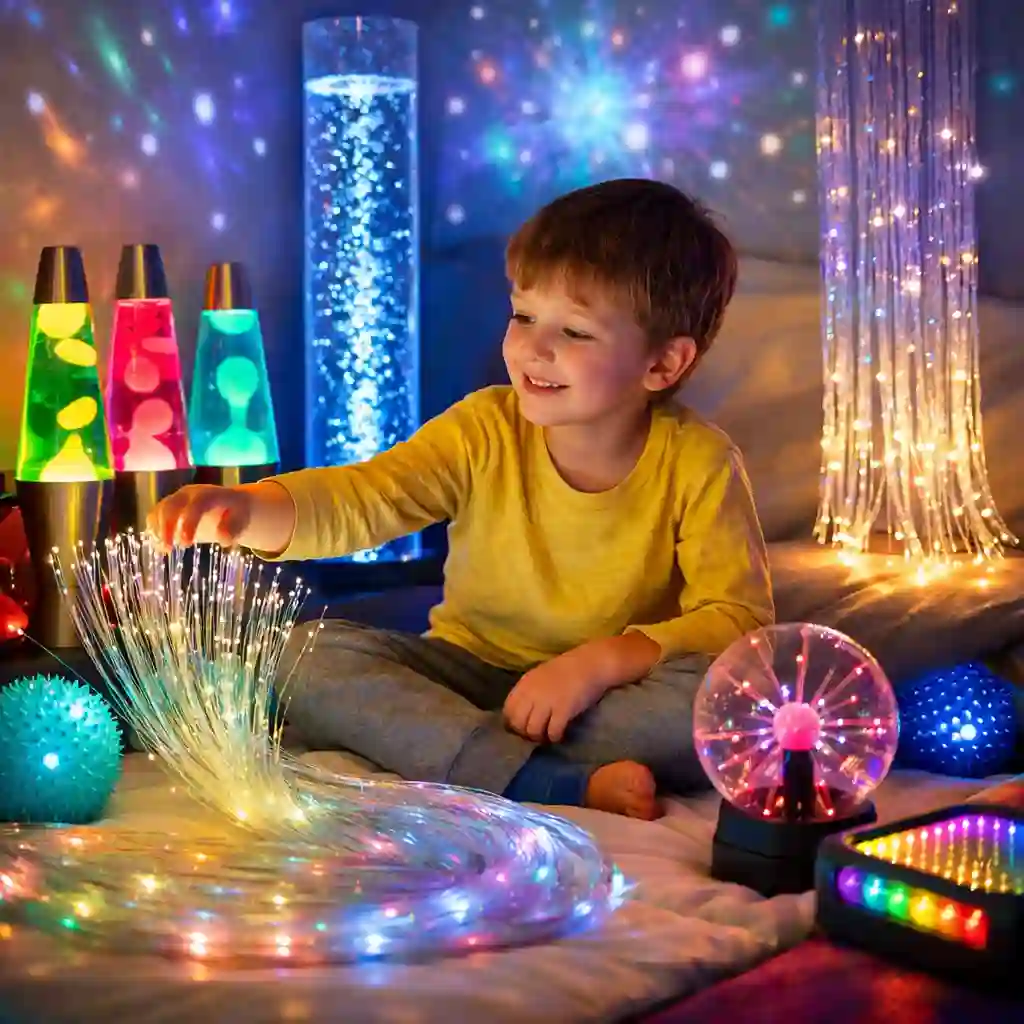
A sensory room is a deliberately designed space that uses lighting, sound, texture, movement, and pressure to support sensory regulation. That definition matters, because many people assume a sensory room is simply a room with colourful lights and a few soft toys. In practice, an effective sensory room is purposeful. Every item in it should help a child achieve a sensory goal, such as calming after overload, increasing attention before a task, or getting proprioceptive input through movement and pressure.
For many children, especially autistic children or those with sensory processing disorder, the outside world can feel unpredictable and physically uncomfortable. Fluorescent lighting may flicker, classrooms may sound painfully loud, clothing may itch, and transitions may feel abrupt. A sensory room gives the child a more predictable environment where sensory input is adjusted rather than endured. That is why these spaces often reduce distress behaviours: the child is no longer fighting unmanaged input from all directions.
I also explain to parents and schools that sensory rooms are not only for calming. Some children need down-regulation, but others need alerting input to become more organised and engaged. A child who appears “distracted” may actually be under-responsive and seeking movement, vibration, or bright visual stimulation to feel awake and ready. A good sensory room can support both profiles, but not at the same time and not with the same setup.
How sensory rooms support regulation, behaviour, and learning
Helping the nervous system feel safe
At the heart of every good sensory room is nervous system regulation. When a child is overloaded, their body may shift into fight, flight, freeze, or shutdown. In that state, reasoning, learning, and communication often drop away. I have worked with children who could not answer a simple question in a noisy classroom but could communicate clearly after ten minutes in a dim, quiet sensory space with deep pressure and slow visual input.
This is one reason sensory spaces are so effective in schools and therapy clinics. They reduce the demand on the child’s nervous system. Research from the National Autistic Society highlights that many autistic people experience hyper- or hypo-sensitivity to sound, light, touch, taste, and movement, which can significantly affect daily functioning according to the National Autistic Society. When the environment stops overwhelming the child, their capacity for connection and participation increases.
Reducing meltdowns and improving transitions
One of the most practical benefits I see is fewer escalations around transitions. A child who struggles to come in from play, leave school, start homework, or move between therapy tasks often benefits from a short sensory routine. That routine might involve five minutes of swinging, dimmed lights, a weighted lap pad, and soft music. The room becomes a bridge between one demand and the next.
The contrast between an effective and poor setup is stark. A poor setup throws everything into one room: flashing lights, loud toys, mirrors, beanbags, and sensory bins all competing for attention. That can increase dysregulation. An effective setup has zones or clearly defined purposes. If the goal is transition support, the child enters a calm, predictable sequence they can learn and trust.
Supporting attention and readiness to learn
Not every child needs a sensory room because they are overwhelmed. Some need one because they are under-aroused and cannot sustain focus. For these children, sensory input can improve alertness and body awareness. Short bursts of vestibular or proprioceptive activity, such as bouncing, pushing, squeezing, or resistance tasks, often improve readiness for classroom work.
Evidence from the CDC confirms that ADHD affects attention, impulse control, and activity levels in ways that can interfere with learning and daily routines according to the CDC. In practice, I often use sensory rooms as preparation spaces rather than escape spaces. Ten minutes of targeted input before literacy or group activities can be far more effective than waiting until the child is already dysregulated.
Which children benefit most from a sensory room?
Sensory rooms are especially helpful for autistic children, children with ADHD, sensory processing disorder, developmental delay, trauma-related regulation needs, and communication differences. They can also support children with physical disabilities who need adapted ways to explore sensory input, and children in medical or palliative care settings who benefit from comfort and predictable stimulation.
Although your question focuses on children, I often tell schools and families that sensory environments also help older users, including adults with learning disabilities and people living with dementia. That broader point matters because it shifts how we think about sensory rooms. They are not novelty spaces; they are regulation environments. If the nervous system needs support, the sensory room can be useful.
The key is matching the room to the child, not the diagnosis. Two autistic children may need completely opposite setups. One may seek spinning, bright colours, and vibration. Another may need no overhead light, minimal sound, and soft tactile input only. Diagnosis can guide us, but observation should drive design.
What features in a sensory room help a child most?
Calming features
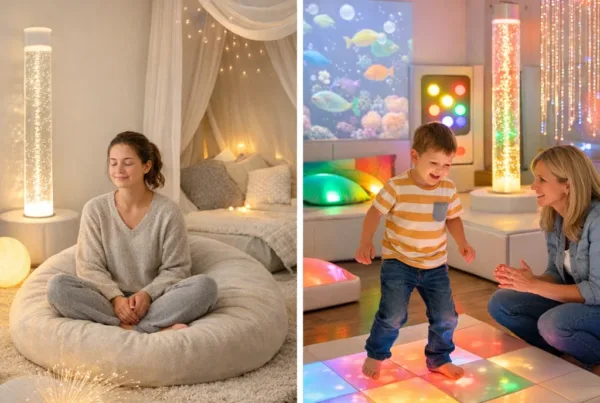
For calming, I usually start with low-arousal sensory input. This includes soft dimmable lighting, reduced visual clutter, gentle tactile materials, comfortable seating, and deep pressure tools. A child who is overloaded often responds well to slow-moving visuals and enclosed seating. Something as simple as a cocoon-like beanbag and a weighted blanket can make a real difference when used appropriately and under supervision.
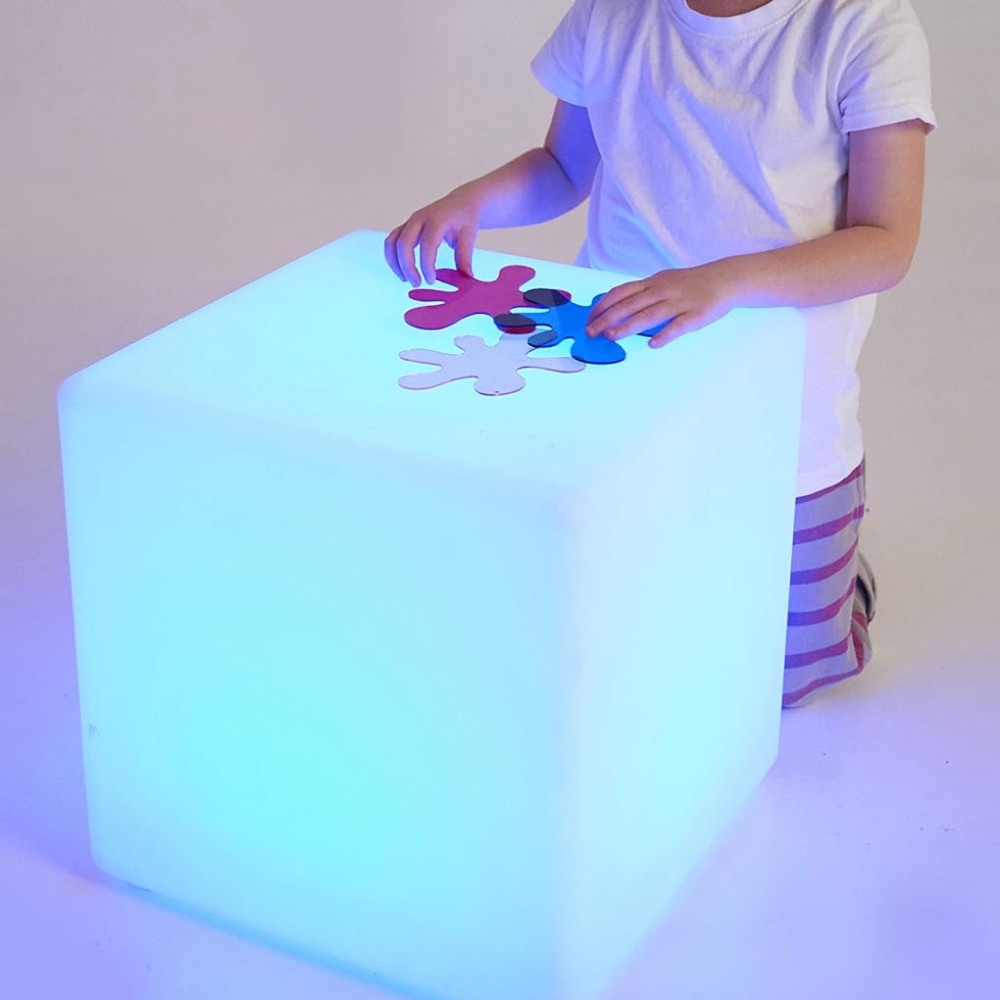
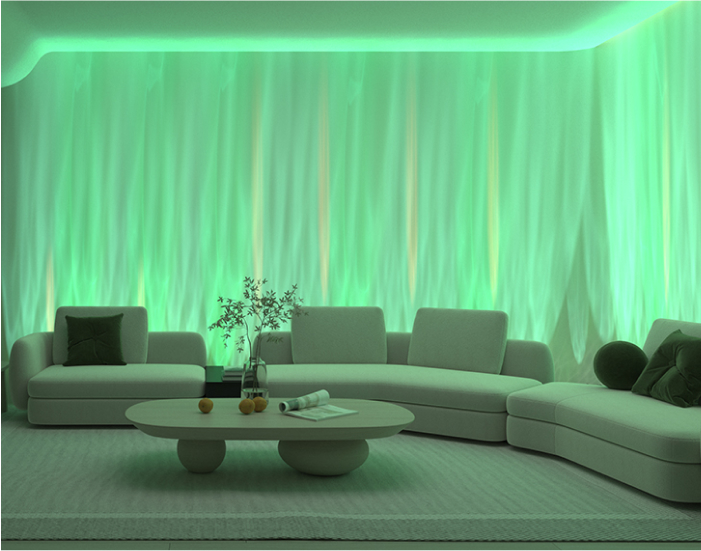
Lighting matters more than many people realise. Bright, inconsistent, or flickering light can push a child further into distress. I often recommend adjustable sensory LED lights so the room can shift from alerting to calming based on the child’s state. A visual focal point, such as a projected star effect or colour-changing lamp, can also help with visual grounding.
Alerting and organising features
For children who need help waking up their system, movement and resistance are usually more effective than passive visual input. Therapy balls, crash mats, stepping stones, wall pushes, mini trampolines, and chew tools can all serve a purpose. I often include a movement option even in a calming room, but I position it intentionally so it does not dominate the whole space.
A carefully chosen mix of sensory room equipment works best when you think in categories: visual, tactile, auditory, vestibular, and proprioceptive. If your room has five visual items and nothing for deep pressure or movement, it may look impressive but function poorly. Most children regulate best when the room supports whole-body sensory needs, not just visual stimulation.
Tools for communication and predictability
Many children use sensory rooms better when they know what to expect. Visual cards, first-then boards, consistent routines, and a clear entry and exit process all help. I often suggest using simple symbols to show “swing,” “lights,” “music,” “squeeze,” and “finished.” This reduces uncertainty and gives the child some control.
If you are already using visual supports, you may find it useful to explore resources on how flashcards can support understanding and routines. In a sensory room, visuals should not overload the walls; instead, they should quietly support choice-making and transition.
How to set up a sensory room step by step
If I were advising a parent, SENCO, or therapist from scratch, I would not begin by shopping. I would begin by observing. The room should solve specific problems, not just look sensory-friendly.
Step 1: Identify the child’s sensory goals
Write down the top three situations where the child struggles. For example: after school, before handwriting, during transitions, after loud assemblies, or before bed. Then ask what the child seems to seek or avoid. Do they cover their ears, crash into furniture, stare at lights, chew sleeves, pace, or hide? Those patterns tell you what the room needs to do.
A useful question is: “Do I need this room to calm, alert, organise, or offer recovery?” If you cannot answer that, the design will be unfocused. One room can do several jobs, but only if it is zoned and used intentionally.
Step 2: Start with the environment itself
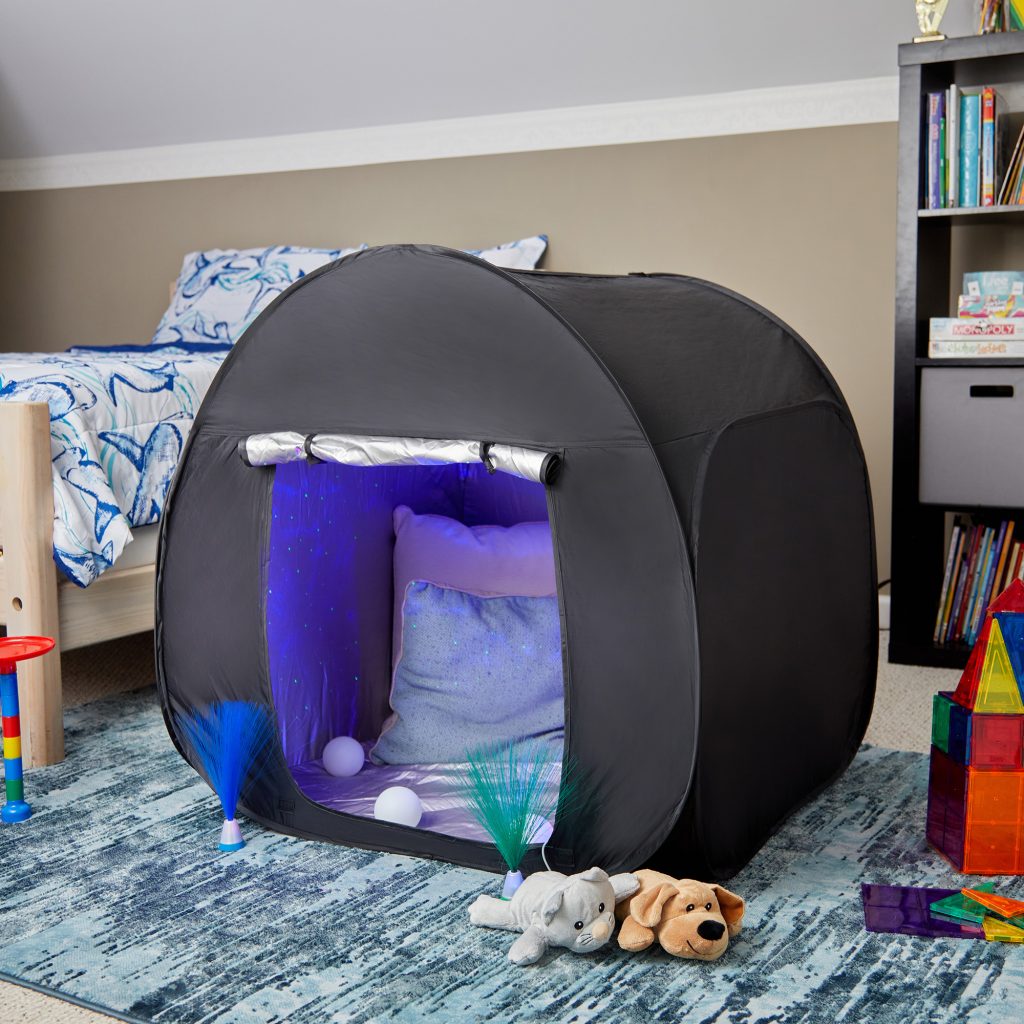
Choose the quietest room or corner available. Reduce harsh lighting, visual clutter, and echo. Soft furnishings, rugs, curtains, and acoustic panels can improve the feel of a room before you add any specialist items. I have seen small cupboards, reading corners, and spare office spaces become excellent sensory areas because the environment was controlled well.
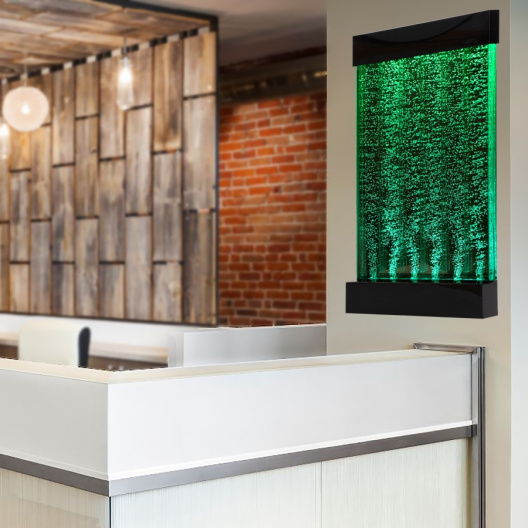
If the budget is limited, basics matter more than expensive gadgets. A soft seat, a heavy lap pad, dimmable light, and a clear routine are often more effective than a room full of overstimulating products. If you want one strong visual anchor, a sensory bubble tube can work well, but only if the child finds it regulating rather than distracting.
Step 3: Build in sensory variety without chaos
I recommend selecting one or two options for each key sensory system rather than filling the room with multiple versions of the same thing. For example, one lighting source, one deep pressure tool, one movement option, one tactile basket, and one sound option. This makes the room easier to use and easier to adjust.
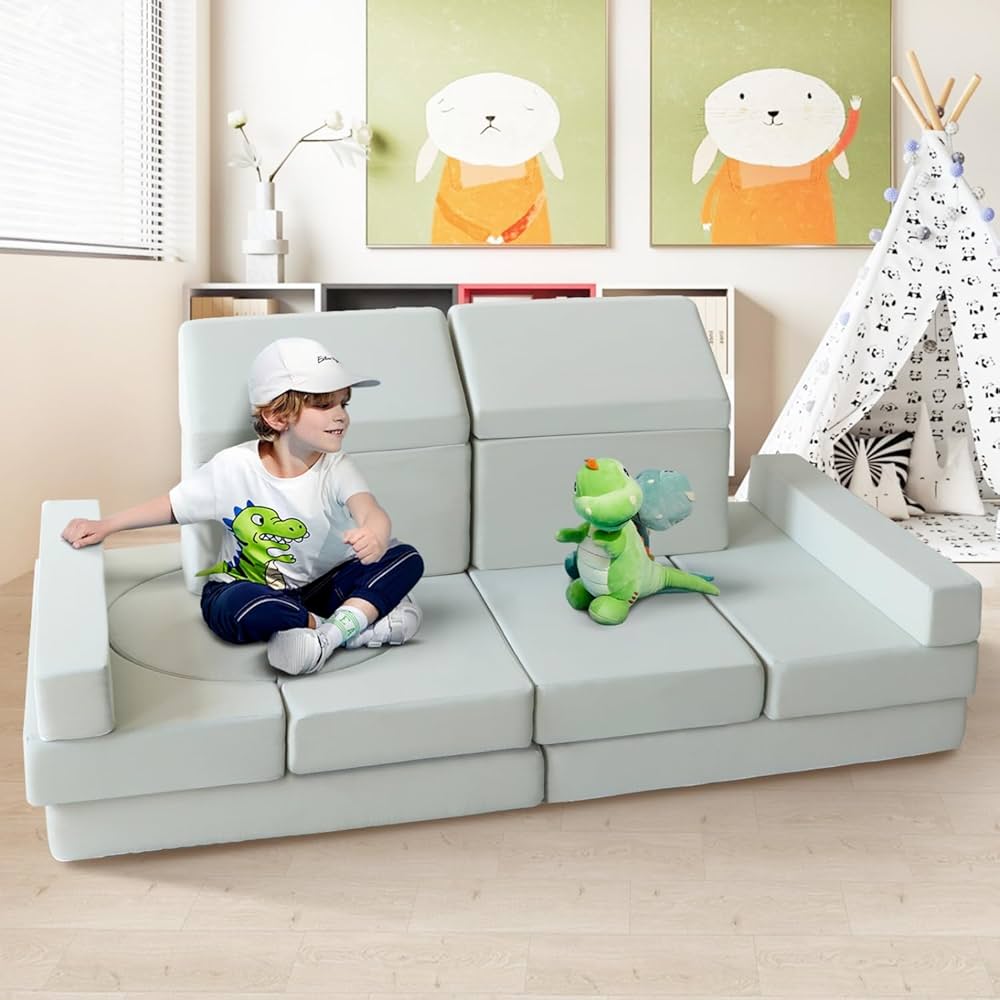
For seating, children often benefit from something that supports containment and body awareness, such as a children’s bean bag chair. Pair that with clearly stored tactile items and a simple rule: if one item comes out, another goes away. That single rule can prevent the room becoming a dumping ground of half-used sensory tools.
Step 4: Trial, observe, and adjust
No sensory room is perfect on day one. I always advise a two-week trial period with brief notes after each use. Record what happened before the room was used, what tools the child chose, how long they stayed, and what changed afterwards. Over time, patterns become obvious. Some tools calm one child and irritate another. Some children need the room before distress, not during it.
This is also how you decide whether the room is supporting or masking a problem. If a child only settles in the sensory room because the classroom is painfully loud, the room is useful, but the classroom still needs adjustment. The best sensory planning improves the child’s day beyond the room itself.
Common mistakes I see and how to avoid them
The first mistake is making the room too stimulating. Parents and schools often assume “sensory” means bright, busy, and interactive. For many children, that creates another overwhelming space. If the child regularly leaves the room more dysregulated than when they entered, reduce choices, lower light levels, and remove noisy or flashing items.
The second mistake is using the sensory room only after behaviour has escalated. By that point, the child may be too overwhelmed to benefit fully. Scheduled sensory breaks, transition visits, and pre-agreed routines often work better than reactive use. A sensory room should be part of a regulation plan, not just a place a child is sent when things go wrong.
The third mistake is treating the room as one-size-fits-all. In schools especially, rooms can become generic spaces with no user profiles, no routines, and no monitoring. I strongly recommend having a short guide for each regular user: what helps, what to avoid, how long to stay, and how to know the session has worked. This is especially useful when multiple staff members support the same child.
How sensory rooms differ at home, school, and in therapy
At home, the room usually needs to support daily life transitions such as waking, coming home from school, mealtimes, homework, and bedtime. Home sensory rooms also need to be practical. Parents often have limited space, siblings nearby, and real-world family routines to manage. In those cases, I focus on flexible tools, quick reset routines, and furniture that can serve more than one purpose.
In school, the sensory room should support access to learning rather than become a reward room or avoidance strategy. Good school setups include clear referral criteria, timed sessions, sensory circuits, visual schedules, and staff training. The child should know why they are going, what they can do there, and what comes next. That predictability makes the room much more effective.
In therapy settings, the room is often more targeted. A therapist may use the space to build co-regulation, support communication attempts, work on body awareness, or prepare for more demanding tasks. The environment is used strategically, not passively. That is why the same room can feel very different in different hands: the setup matters, but the method matters too.
Frequently Asked Questions
What is the main purpose of a sensory room for a child?
The main purpose of a sensory room is to help a child regulate sensory input so they can feel calmer, more organised, or more alert. It provides a controlled environment where the child’s nervous system is supported rather than overwhelmed.
Do sensory rooms help autistic children?
Yes, sensory rooms can be very effective for autistic children when the setup matches their individual sensory profile. They can reduce overload, support transitions, and improve communication and emotional regulation.
Can a sensory room help with ADHD?
Yes, many children with ADHD benefit from sensory rooms, especially when they include movement, deep pressure, and structured routines. The room can help with focus, impulse control, and readiness for learning.
What should be in a sensory room for a child?
A good sensory room usually includes adjustable lighting, comfortable seating, tactile items, deep pressure tools, and one or two movement options. The exact items should be chosen based on the child’s sensory needs, not just appearance or popularity.
How long should a child stay in a sensory room?
Most children benefit from short, purposeful sessions of around 10 to 20 minutes, though this varies by child and goal. It is usually better to leave while the child is regulated than wait until they become dysregulated again.
Are sensory rooms only for children with additional needs?
No, although they are especially helpful for children with autism, ADHD, or sensory processing difficulties. Any child who struggles with regulation, stress, transitions, or attention may benefit from a well-designed sensory space.
Can I create a sensory room at home without a big budget?
Yes, absolutely. A small calm corner with soft lighting, a beanbag, a weighted item, and a few carefully chosen sensory tools can be highly effective if it is set up with a clear purpose.
Final thoughts from my professional experience
When a sensory room is designed properly, it does far more than entertain a child. It helps them feel safer, more regulated, and more able to cope with the demands around them. I have seen children use sensory spaces to recover from overload, prepare for learning, communicate more clearly, and build trust in adults who understand their needs.
If you are creating a sensory room, my strongest advice is to stay child-led and purpose-led. Watch what the child’s body tells you. Build the space around real patterns, not trends. A sensory room does not need to be large or expensive to be effective; it needs to be thoughtful, predictable, and responsive to the child who will use it.