
Table of contents
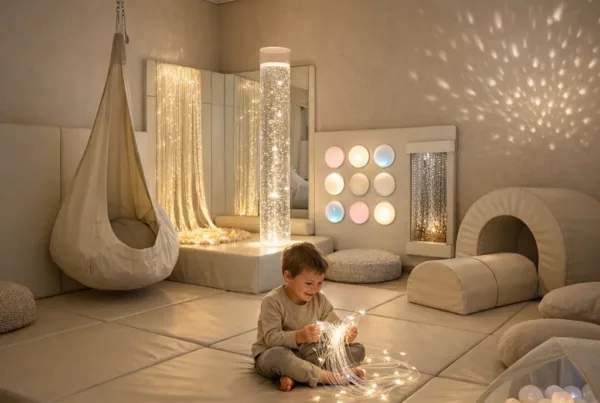
Sensory rooms and sensory toys have become essential tools for supporting children with autism, but why do children with autism like sensory toys? The answer lies in understanding sensory processing, the unique needs of autistic children, and the profound impact sensory toys and sensory equipment can have on their development and well-being. This article explores the reasons behind this preference, provides actionable insights, and recommends some of the best sensory toys to consider.

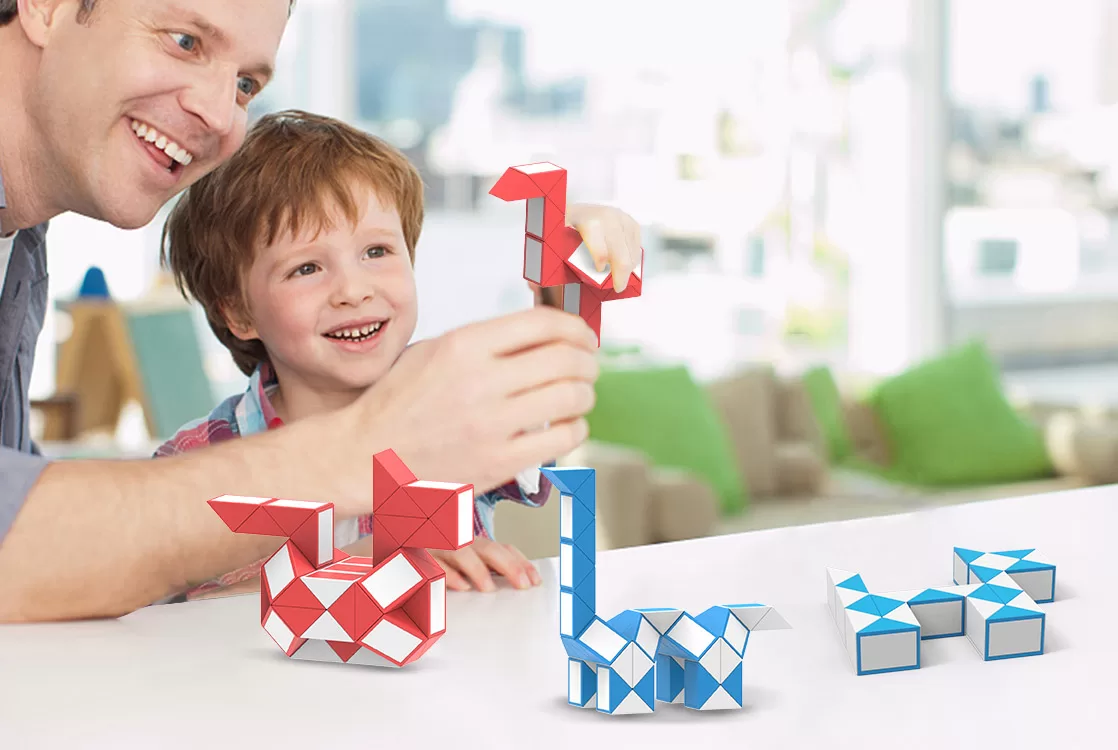
Image by ROXENDA
Understanding sensory processing in autism
To comprehend why sensory toys are so appealing to children with autism, it is important to first understand sensory processing. Sensory processing refers to how the nervous system receives, interprets, and responds to sensory information from the environment. For most people, this process happens seamlessly. However, for children with autism, sensory processing can be atypical.
Many autistic children experience either sensory hypersensitivity (over-responsiveness) or sensory hyposensitivity (under-responsiveness). For example, a child might find the hum of fluorescent lights overwhelming (hypersensitivity) or seek out intense physical pressure to feel grounded (hyposensitivity). These differences can make everyday environments challenging to navigate.
Sensory toys are specifically designed to address these needs. They provide controlled sensory input, helping children regulate their emotions, focus their attention, and feel more comfortable in their surroundings. But let’s dive deeper into why these toys are so effective.
Sensory toys provide a sense of calm and regulation
One of the primary reasons children with autism are drawn to sensory toys is their ability to promote calmness and self-regulation. Many sensory toys, such as weighted blankets, fidget spinners, or liquid motion bubblers, offer repetitive, predictable sensory input. This predictability is comforting for autistic children, who often find the unpredictability of the world overwhelming.
For instance, a study published in the Journal of Autism and Developmental Disorders found that deep pressure input, like that provided by weighted blankets, can significantly reduce anxiety levels in children with autism. This is because deep pressure stimulates the release of serotonin and dopamine, neurotransmitters associated with feelings of calm and happiness.
Actionable tip: When setting up a sensory room or looking for toys to use at home, consider incorporating items that provide deep pressure or repetitive motion. Weighted lap pads, sensory swings, or even simple stress balls can be excellent choices.
Sensory toys help with focus and attention
Another reason sensory toys are so beneficial is their ability to improve focus and attention. Many children with autism struggle with attention regulation, often becoming either overstimulated or understimulated by their environment. Sensory toys can act as a “middle ground,” providing just enough stimulation to keep the child engaged without overwhelming them.
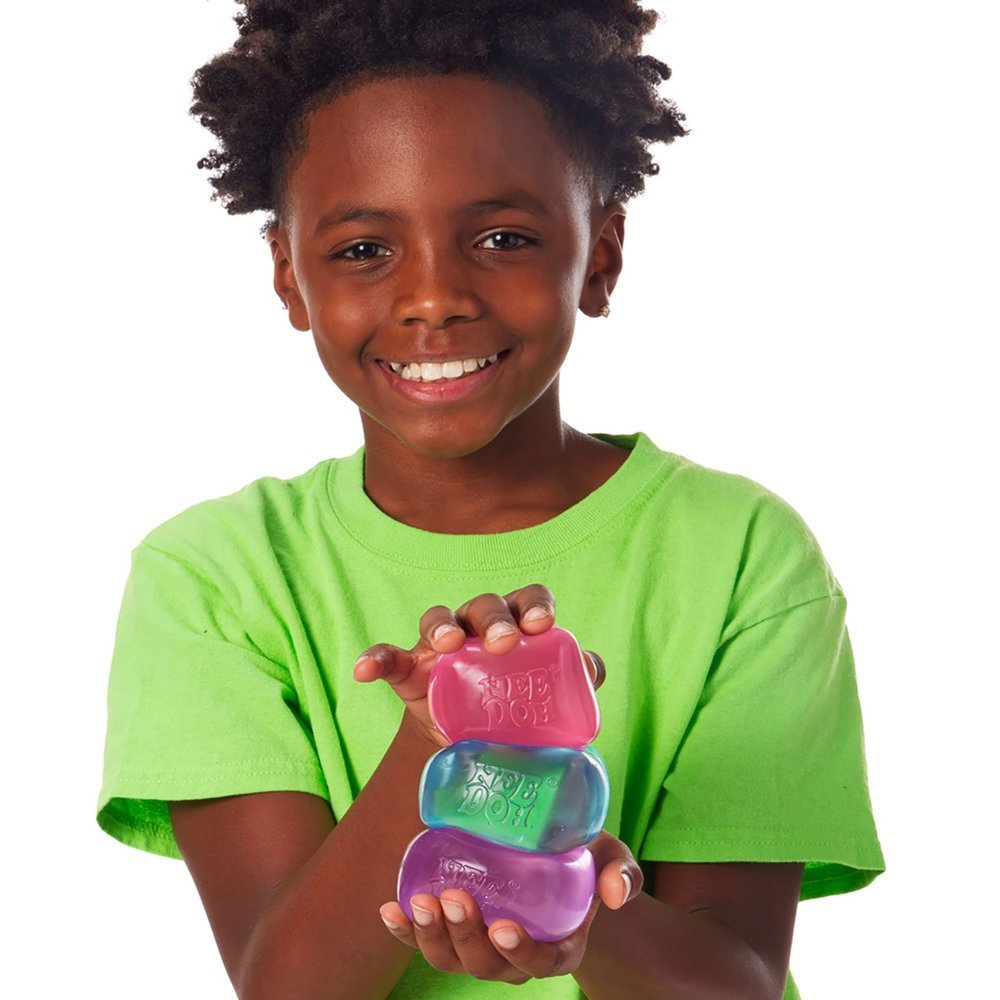
Take, for example, fidget toys. These small, handheld devices allow children to channel their restless energy into a controlled activity, freeing up their cognitive resources for tasks like learning or social interaction. A case study from the American Journal of Occupational Therapy highlighted how fidget tools improved classroom participation and task completion in autistic students.
Actionable tip: For teachers or parents, introducing fidget toys during activities that require sustained attention, such as homework or group discussions, can be highly effective. Look for toys that are quiet and non-disruptive, like textured fidget cubes or stretchy resistance bands.
Sensory toys encourage exploration and play
Play is a crucial part of childhood development, but for children with autism, traditional play can sometimes feel intimidating or unappealing. Sensory toys, on the other hand, are often designed to be intuitive and engaging, making them an excellent gateway to exploration and creativity.
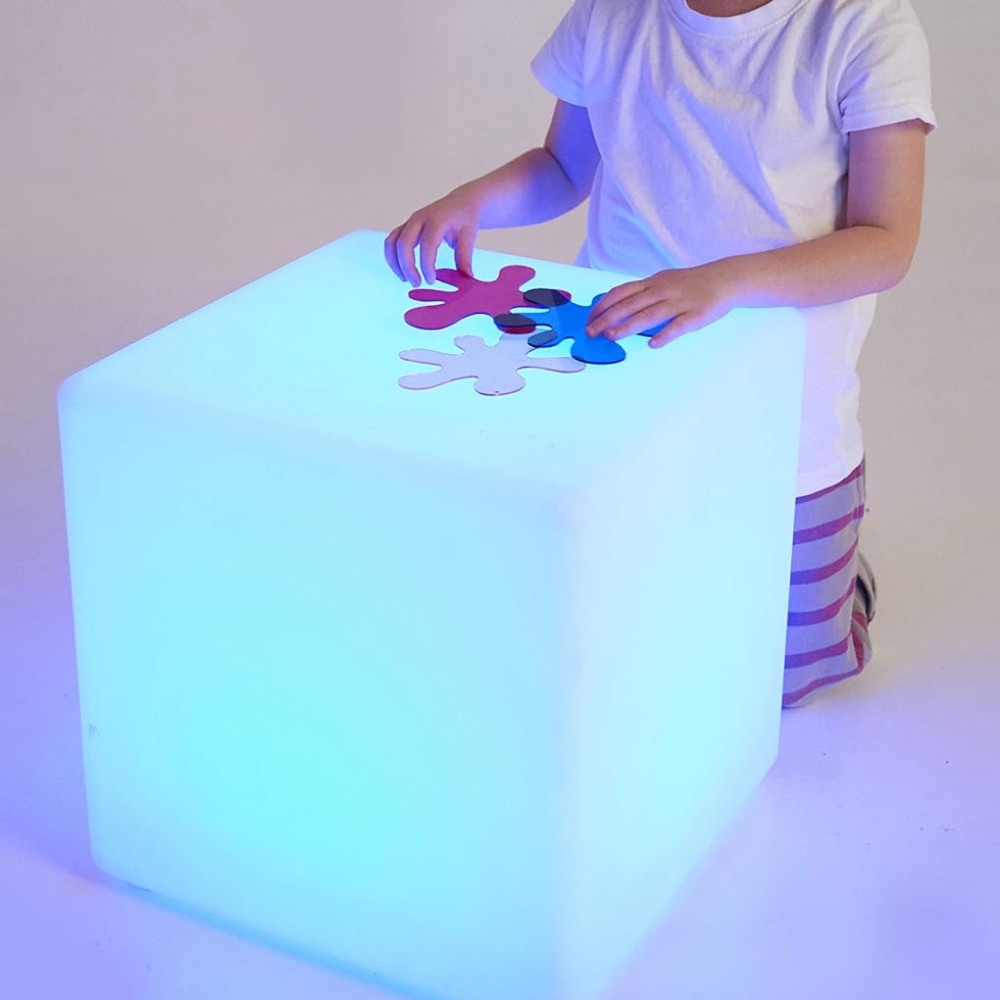
Toys like sensory bins (filled with rice, beans, or sand) or light-up sensory panels invite children to explore different textures, colours, and sounds at their own pace. This type of open-ended play not only builds fine motor skills but also fosters curiosity and problem-solving abilities.
Actionable tip: Creating a sensory play station at home or in the classroom can be highly beneficial. Fill a bin with tactile materials like kinetic sand, water beads, or dried pasta, and add tools like scoops, funnels, and moulds. Rotating the materials regularly keeps the experience fresh and exciting.
Sensory toys support communication and social interaction
While sensory toys are often used individually, they can also be powerful tools for fostering communication and social interaction. Many sensory toys are designed for shared play, encouraging children to collaborate, take turns, and express themselves.
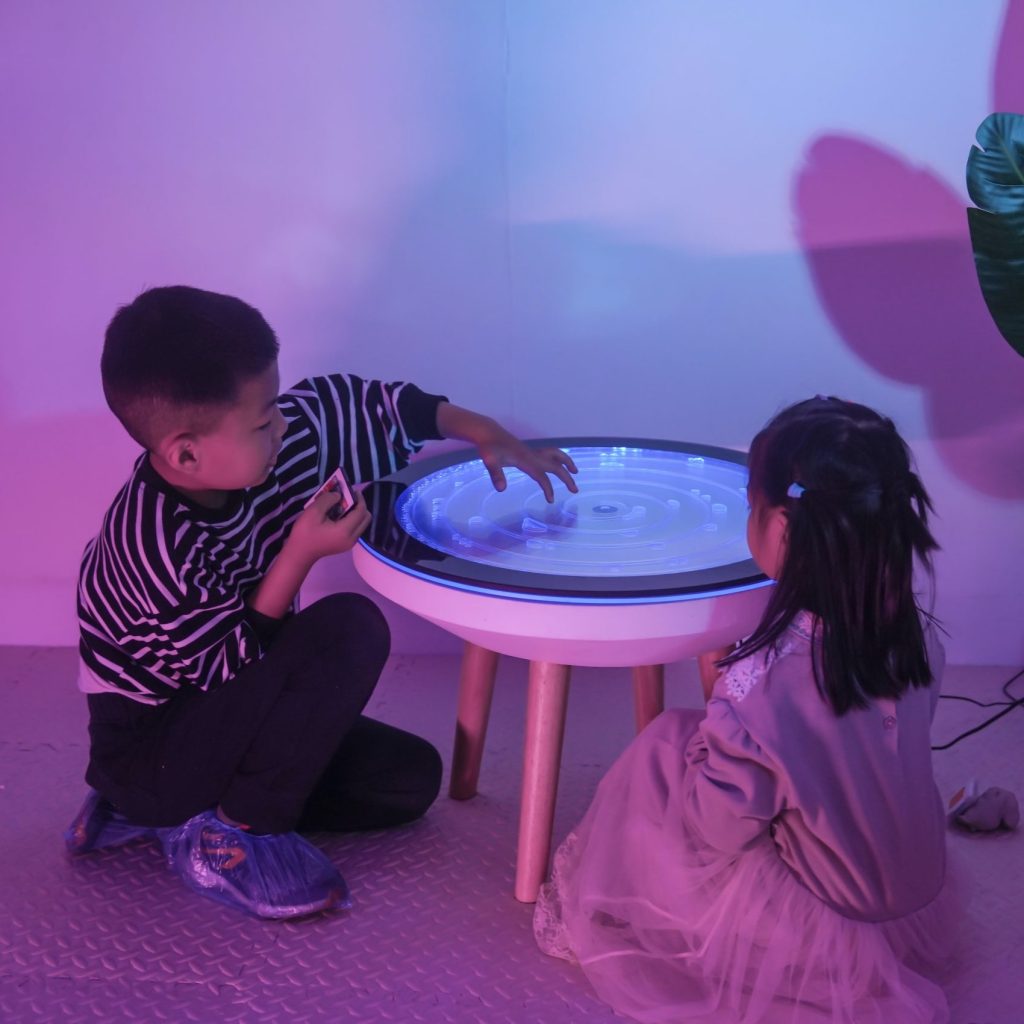
For example, a bubble tube or interactive light panel can serve as a focal point for group activities. Children can work together to change the colours, describe what they see, or create stories inspired by the visuals. This shared experience can help build social skills and reduce feelings of isolation.
Actionable tip: Sensory toys can be used as a bridge for social interaction. Pairing children with peers or siblings and encouraging them to explore the toys together can be highly effective. Using open-ended questions such as “What do you think will happen if we press this button?” can initiate meaningful conversations.
Sensory toys cater to individual preferences and needs
One of the most beautiful aspects of sensory toys is their versatility. Because every child with autism is unique, sensory toys come in a wide variety of forms to cater to different preferences and needs. Some children might be drawn to visual stimuli, while others prefer tactile or auditory input.
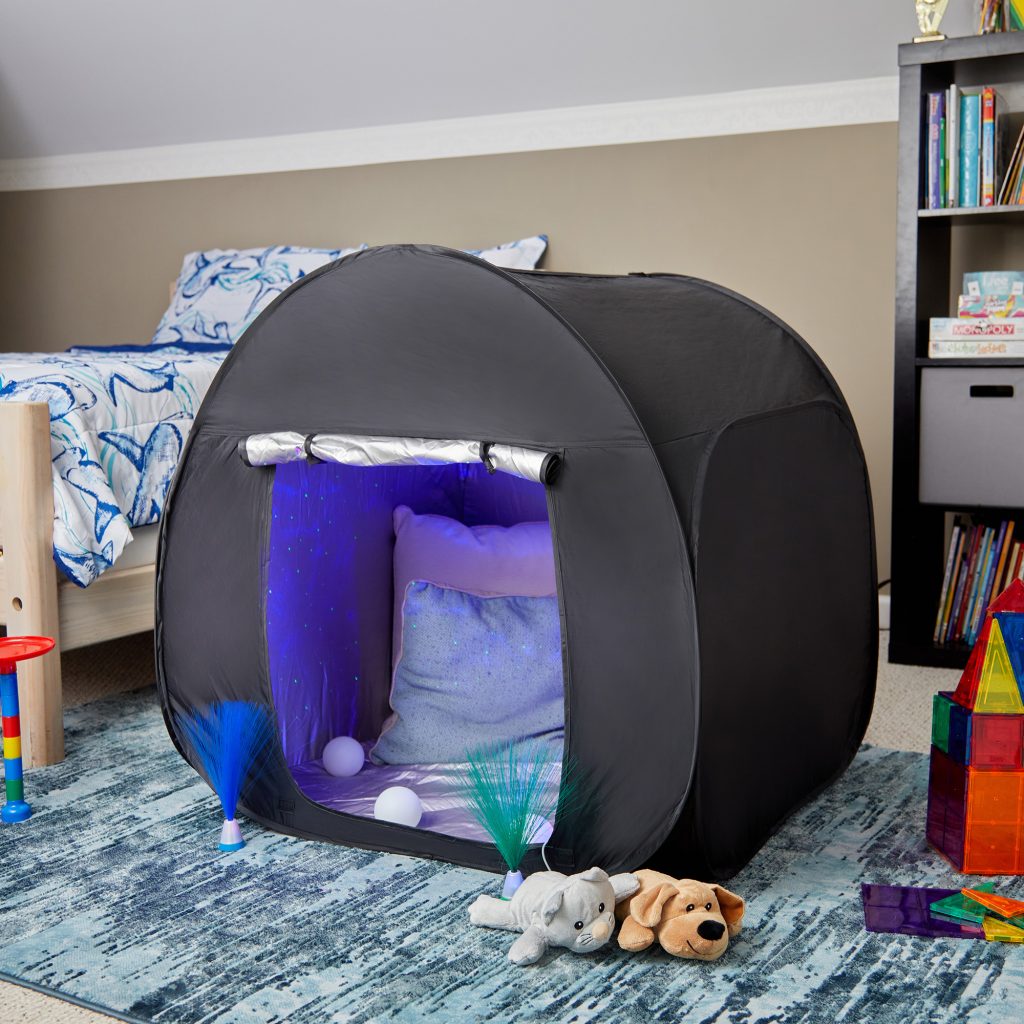
For example, a child who loves visual stimulation might enjoy a fibre optic lamp or a projector that casts calming images on the ceiling. A child who seeks tactile input might prefer a squishy sensory gel pad or a textured chewable necklace. By observing a child’s preferences, carers can tailor sensory experiences to suit their individual needs.
Actionable tip: Keeping a sensory diary to track a child’s reactions to different stimuli can be highly useful. Noting which toys they gravitate toward and which ones they avoid can help create a personalised sensory toolkit.
Recommended sensory toys for children with autism
Now that we’ve explored why children with autism like sensory toys, let’s look at some specific recommendations. Here are a few of the most effective sensory toys, along with the benefits they offer:
- Weighted blankets: Perfect for providing deep pressure and promoting relaxation.
- Fidget spinners: Great for improving focus and reducing restlessness.
- Bubble tubes: Ideal for visual stimulation and group play.
- Sensory swings: Excellent for vestibular input and calming overstimulation.
- Textured chewable necklaces: Helpful for children who seek oral sensory input.
For more recommendations, check our collection of recommended sensory room equipment, which features a curated selection of sensory toys and equipment.
Conclusion
Sensory toys are more than just playthings—they’re tools that can transform the lives of children with autism. By providing calming input, improving focus, encouraging exploration, and fostering social interaction, these toys address the unique challenges faced by autistic children in a way that’s both effective and enjoyable.
Incorporating sensory toys into a child’s environment, whether as a parent, teacher, or carer, can make a significant difference. Starting small, observing preferences, and building a sensory toolkit that meets individual needs is key. The goal isn’t to “fix” anything—it’s to create a space where children feel safe, supported, and free to explore the world on their own terms.
For those ready to take the next step, Sensory Room Planner provides access to more resources, guides, and product recommendations. Together, sensory-rich environments can be created that empower children with autism to thrive.




One Comment