Table of contents
Sensory rooms are great for both children and adults because they provide a controlled space where the nervous system can either calm down or wake up in a safe, purposeful way. In my experience designing sensory rooms for homes, schools, and care settings, the best results come when the room is tailored to the individual’s sensory profile rather than filled with random equipment.
I have worked with autistic children, teenagers with ADHD, adults with sensory processing differences, and older adults living with dementia, and I have seen the same principle again and again: when sensory input is planned properly, people cope better, communicate more effectively, and feel more regulated. A good sensory room is not a luxury add-on. It is a practical environment that supports emotional regulation, attention, participation, and wellbeing across the lifespan.
Highlights
Sensory rooms benefit children and adults by offering structured sensory input that helps with calming, focus, communication, and self-regulation. When designed around individual needs, they can support autism, ADHD, sensory processing difficulties, anxiety, and dementia in home, school, therapy, and care environments.
What Is a Sensory Room, and Why Does It Work?
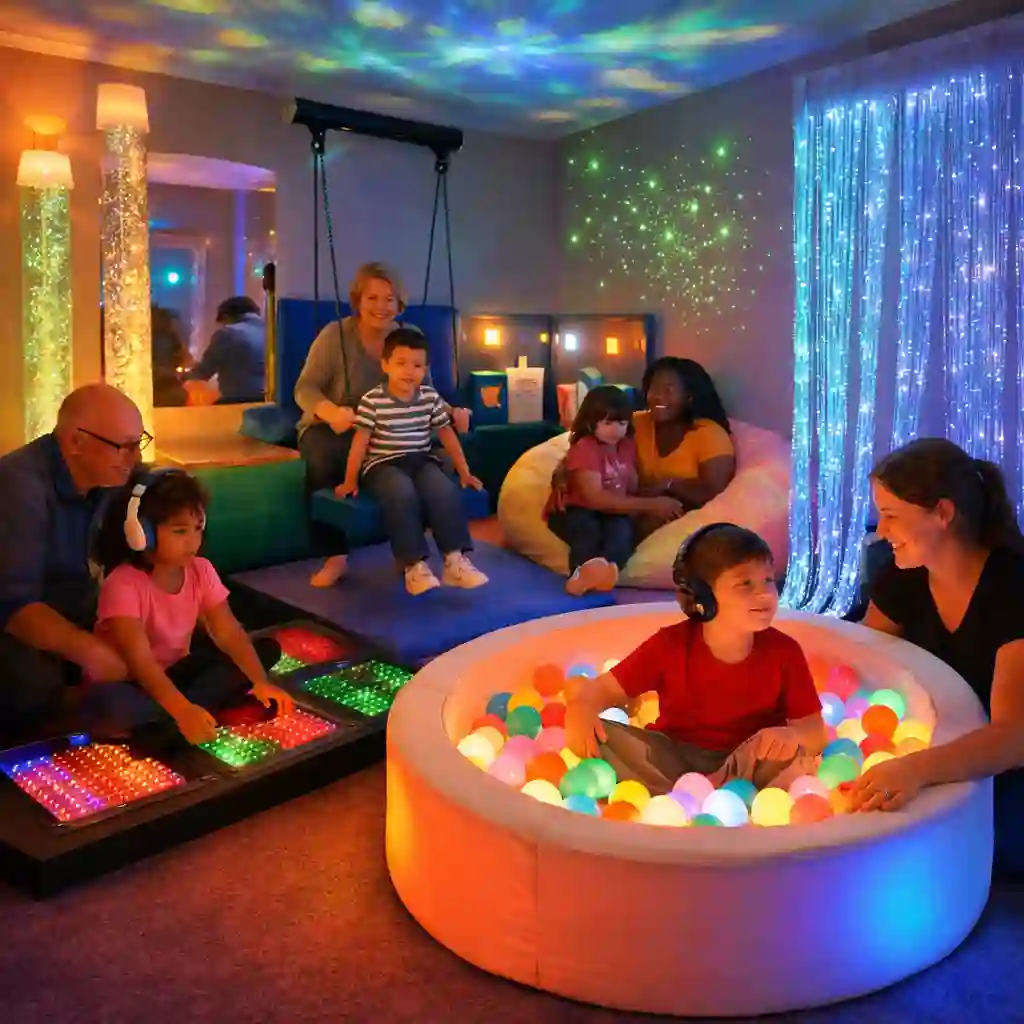
A sensory room is a dedicated space designed to deliver sensory input in a safe, measured, and purposeful way. That input might be visual, auditory, tactile, proprioceptive, vestibular, or calming deep pressure. Some rooms are low-arousal and soothing, while others are active spaces that encourage movement, exploration, and engagement.
The reason sensory rooms work is simple: the brain and body respond to sensory information all day long. For some people, everyday environments are too loud, too bright, too fast, or too unpredictable. For others, everyday settings do not provide enough input to help them feel alert and organised. A sensory room gives me, as a designer or practitioner, the chance to control those variables and create a better sensory match.
Research supports the broader value of sensory-based support when used appropriately. For example, the NHS explains that sensory differences can have a major impact on daily life for autistic people, affecting comfort, behaviour, and emotional regulation according to NHS guidance on autism. The CDC also reports that autism affects around 1 in 31 children in the United States, which helps explain why sensory-friendly environments are now such a practical need in education and family life.
Why Sensory Rooms Help Children
They support self-regulation and reduce overwhelm
Children often show distress through behaviour long before they can explain what feels wrong. I regularly see children who are labelled as disruptive, impulsive, or defiant when the real problem is sensory overload. A sensory room gives them a place to downshift before behaviour escalates. Soft lighting, reduced noise, gentle movement, and predictable tools can make a dramatic difference in a matter of minutes.
For an autistic child, a busy classroom may feel physically uncomfortable due to fluorescent lights, scraping chairs, strong smells, and constant social demands. In a well-designed sensory room, I can remove those stressors and replace them with regulation tools such as a weighted blanket, soft crash mats, and dimmable lighting. This creates a space where the child can recover rather than merely endure.
They improve focus, participation, and learning readiness
Many children do not need a sensory room because they want to avoid learning. They need it because their nervous system is too dysregulated to access learning in the first place. A short sensory break can improve attention, reduce agitation, and help a child return to tasks with better readiness.
I often recommend building sensory room use into the daily routine rather than waiting for crisis points. For a child with ADHD, five to ten minutes of movement, deep pressure, or visual calming before literacy work can lead to greater concentration than repeated verbal reminders. That is one reason schools increasingly use sensory spaces as part of proactive support rather than reactive behaviour management. If you are planning a room from scratch, the resources at Sensory Room Planner can help you think more strategically about layout and equipment choices.
Why Sensory Rooms Help Adults
Adults need sensory regulation too
One of the biggest misconceptions I encounter is that sensory rooms are mainly for young children. In reality, adults benefit just as much, and sometimes more, because they have spent years trying to function in environments that do not fit their sensory needs. Adults with autism, ADHD, anxiety, trauma histories, learning disabilities, or sensory processing difficulties often describe enormous relief when they finally have access to a space that feels manageable.
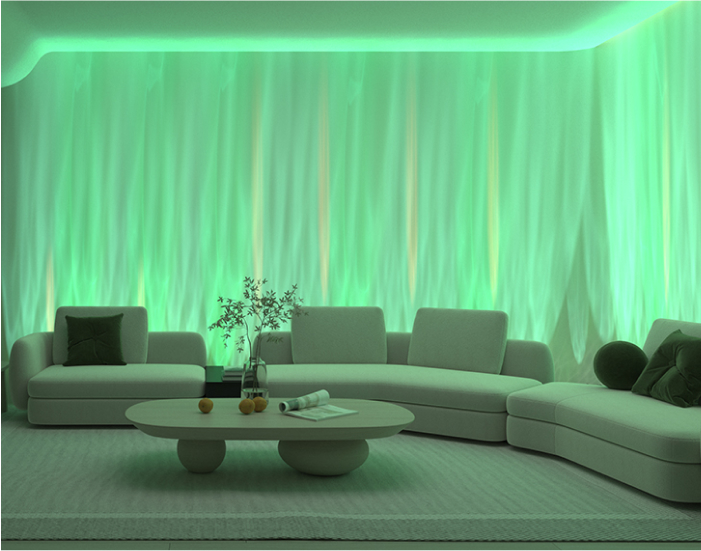
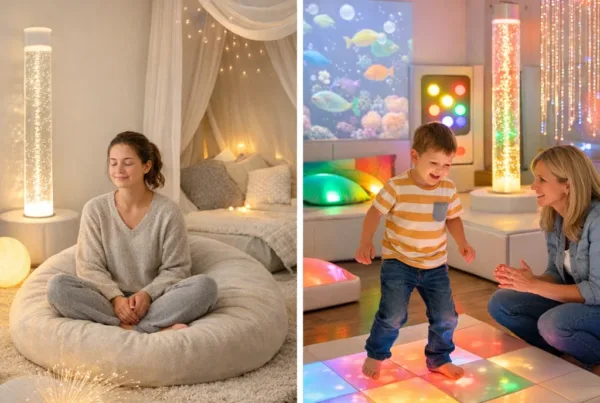
For an adult, a sensory room may look less like a brightly lit play space and more like a carefully controlled retreat. I might use a comfortable cocoon chair, warm indirect lighting, low-level sound, and tactile fidgets to support decompression after work or after a difficult appointment. One excellent low-effort addition is a set of sensory LED lights that can shift the atmosphere without making the room overstimulating.
They can support dementia care and emotional wellbeing
In adult services and residential care, sensory rooms can be especially valuable for people living with dementia. Familiar music, textured objects, gentle lighting, and soothing visual effects can reduce distress and create opportunities for connection. I have seen non-verbal or withdrawn adults become visibly calmer when offered a sensory environment that feels safe and familiar rather than noisy and clinical.
The Alzheimer’s Society notes that dementia affects nearly one million people in the UK, with the number expected to rise based on its published statistics. That matters because sensory spaces are not only for developmental conditions; they are also highly relevant in later life, particularly where agitation, confusion, and environmental stress are ongoing challenges.
Who Benefits Most From a Sensory Room?
The short answer is that sensory rooms can help almost anyone when designed around a clear purpose. In practice, I most often recommend them for autistic people, individuals with ADHD, children and adults with sensory processing disorder, people with learning disabilities, and older adults with dementia. They can also support people coping with anxiety, trauma, communication difficulties, and high stress.
The key is matching the room to the person. A child who seeks movement may need swings, crash pads, and climbing elements. A teenager who becomes overloaded by noise may need soft furnishings, visual boundaries, and low stimulation. An adult with dementia may respond better to familiar sensory cues such as gentle music, aromatherapy used cautiously, and easy-to-hold tactile items. Effective sensory room design is never one-size-fits-all.
What Makes an Effective Sensory Room?
Effective setup versus poor setup
A good sensory room is intentional. Every item in the room should have a purpose, whether that is calming, alerting, organising, or encouraging interaction. A poor sensory setup usually happens when people buy popular products without considering how they work together. The result is often a room that is too bright, too busy, too loud, or too cluttered to be genuinely useful.
I have walked into rooms with flashing projectors, loud sound equipment, neon wall art, beanbags, mirrors, spinning toys, and tactile boards all competing at once. That kind of setup may look impressive in a sales brochure, but to a person with sensory sensitivities it can be exhausting. By contrast, the most effective rooms usually feel simple, flexible, and calm. They allow one type of sensory input to stand out at a time.
Core features I recommend most often
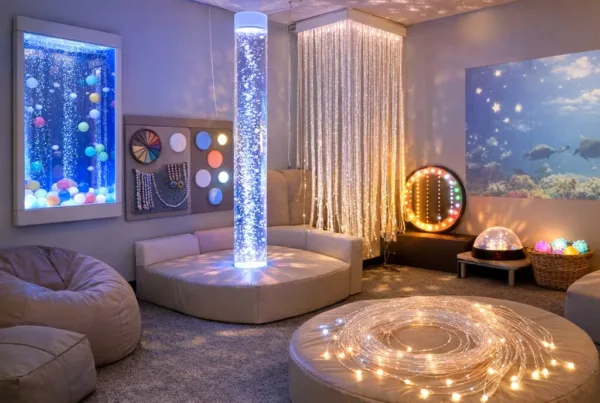
Start with lighting, seating, and zoning. Lighting controls mood faster than almost anything else, so I prefer dimmable and indirect options over harsh ceiling lights. Seating should support the body properly and offer choice, such as floor cushions, beanbags, rocking chairs, or enclosed seats. Zoning means creating clear areas for calming, movement, tactile exploration, and transition.
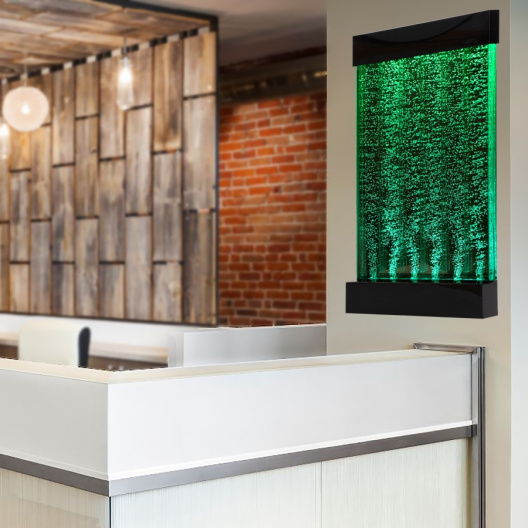
For visual calming, a sensory bubble tube can work very well when used in a low-stimulation corner rather than as part of an overloaded display. For tactile and fidget support, I often add an organised tray of tools rather than scattering items everywhere. In school and therapy settings, I also recommend clear labels so that staff can use equipment consistently.
How I Plan a Sensory Room Step by Step
When I design a sensory room, I do not begin with products. I begin with questions. What is this room for? Who will use it? What sensory needs show up most often? What behaviours or difficulties are we trying to reduce, or what skills are we trying to support? Those answers guide every decision that follows.
Step 1: Identify the sensory goal
Decide whether the primary aim is calming, alerting, emotional regulation, sensory exploration, movement, communication, or a mix of these. A room that tries to do everything at once usually does none of it well. If several people will use the space, I create flexible zones or use portable equipment to adapt the room quickly.
Step 2: Observe the user in real life
Look at what happens before dysregulation. Does the person cover their ears, crash into furniture, pace, seek pressure, stare at lights, or avoid touch? Real-world observation gives much better guidance than copying someone else’s shopping list. This is particularly important for autism and sensory processing disorder, because the same diagnosis can present with very different sensory patterns.
Step 3: Build from the ground up
Choose the quietest possible room. Control light first with curtains, dimmers, or lamps. Add safe flooring or mats. Then select one or two strong anchor items, such as a calming chair, a bubble tube, or a tactile wall panel. After that, add smaller tools only if they support the room’s purpose.
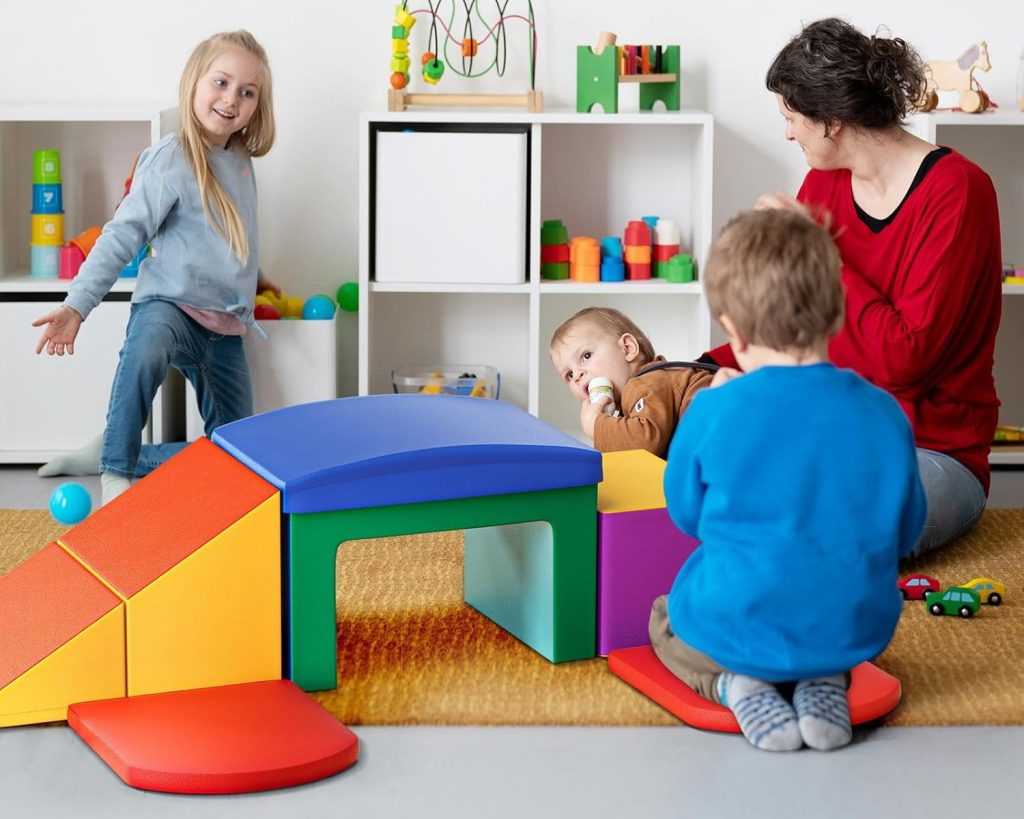
If deep pressure is calming for the user, a sensory crash mat or weighted accessories may be more useful than extra visual equipment. If the person needs help with transition and routine, visual schedules and a simple entry ritual can matter more than expensive technology.
Step 4: Test, adjust, and review
No sensory room is perfect on day one. I always treat the first few weeks as a trial period. Watch what the person repeatedly uses, what they avoid, and what seems to increase agitation. If a visual feature is ignored, reduce it. If movement equipment leads to better focus afterwards, prioritise that. The room should evolve based on use, not assumptions.
For more planning guidance, it can help to review specialist ideas and examples from sensory room design specialists before making large purchases.
Common Mistakes I See Again and Again
The most common mistake is overfilling the room. People understandably want value for money, so they buy too many products and place them all in one space. The result is visual clutter and competing sensory demands. I would always rather see three well-chosen pieces used properly than fifteen items that overwhelm the user.
Another mistake is failing to match the room to age and dignity. A teenager or adult may reject a room that feels childish, even if the equipment is technically useful. I pay close attention to colour palette, furniture style, and presentation so that the room feels respectful. This is especially important in secondary schools, adult services, and home environments where the user wants privacy and autonomy.
A third mistake is inconsistent use. In schools and therapy settings, I often find that some staff use the room as a reward, some as a behaviour consequence, and others avoid it altogether. That inconsistency can undermine the room’s purpose. The best sensory spaces have clear guidelines about when to use them, how long to stay, and which tools fit specific needs.
Expert Tips From Real-World Sensory Room Use
If I could give one tip to parents, it would be this: make the room predictable. Keep equipment in the same place, avoid sudden changes, and introduce new items one at a time. Predictability reduces anxiety and helps the user build trust in the space. I also recommend storing non-essential items out of sight so the room does not feel chaotic.
For educators, I advise tying sensory room use to observable signs rather than waiting for a full meltdown. A child who starts chewing clothing, rocking hard, shouting, or withdrawing may need a sensory break long before the rest of the class notices a problem. Proactive use almost always works better than emergency use.
For therapists and care teams, track outcomes. Record what the person used, for how long, and what changed afterwards. Did they return to class calmer? Did speech increase? Did pacing reduce? This kind of simple monitoring turns sensory room use into a meaningful intervention rather than a vague wellbeing activity.
How Sensory Rooms Differ Across Home, School, and Therapy Settings
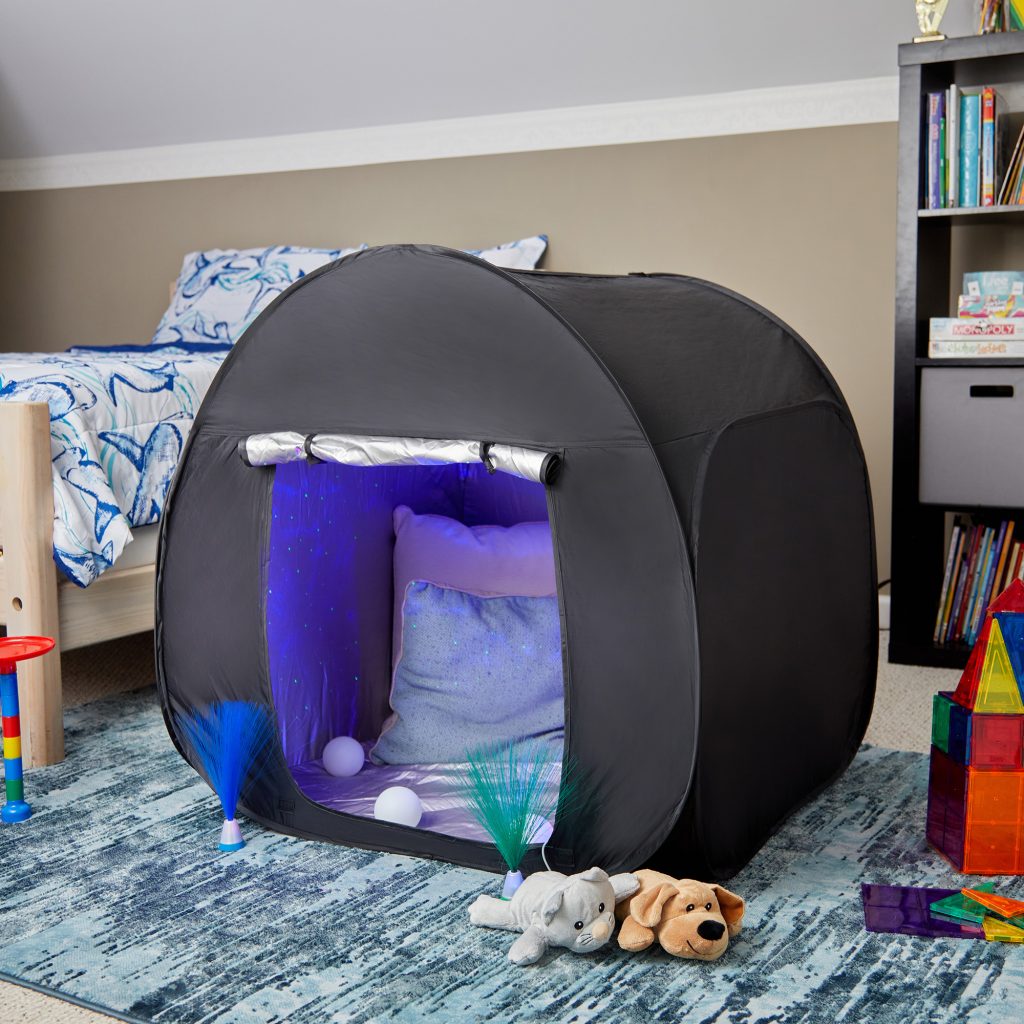
At home, the best sensory room is usually the one that fits naturally into family life. It does not need to be a large dedicated room. I have created extremely effective sensory corners in bedrooms, spare rooms, and even underused dining areas. The home version should be easy to reset, easy to supervise, and realistic to maintain.
In schools, the challenge is usually shared use. Multiple pupils may need the room for different reasons, so flexible zoning and staff training become critical. I often recommend neutral base design with portable tools that can be brought out depending on the child. That keeps the space adaptable while reducing overstimulation.
In therapy or clinical settings, I focus more on observation, progression, and purposeful activity. The room becomes part of assessment and intervention, not just a calm retreat. For adults in care settings, comfort, dignity, accessibility, and familiarity are especially important. The best room is always the one that responds to the people using it, not the one with the most gadgets.
Frequently Asked Questions
Are sensory rooms only for autism?
No. Sensory rooms are often associated with autism, but they can also support ADHD, sensory processing disorder, anxiety, learning disabilities, trauma, and dementia. The benefit depends on the person’s sensory needs, not only their diagnosis.
Do adults really use sensory rooms?
Yes, and many benefit greatly from them. Adults may use sensory rooms for stress recovery, emotional regulation, sensory decompression, or support related to autism, ADHD, mental health, or dementia care.
What should every sensory room include?
Every sensory room should have controlled lighting, comfortable seating, and a clear purpose. Beyond that, equipment should be chosen based on whether the user needs calming, movement, tactile input, or sensory exploration.
How long should someone stay in a sensory room?
There is no single ideal time, but many people benefit from 10 to 20 minutes. The right duration depends on the person, the goal of the session, and whether the room is being used proactively or during a period of distress.
Can I create a sensory room on a budget?
Yes. A useful sensory room does not need expensive equipment. Good lighting control, soft furnishings, a few effective sensory tools, and a clutter-free layout can work extremely well when chosen carefully.
What is the difference between a sensory room and a calm room?
A calm room is mainly designed to reduce stimulation and support relaxation. A sensory room can do that too, but it may also include alerting, movement, tactile, or interactive elements depending on the user’s needs.
How do I know if a sensory room is working?
Look for practical changes such as improved calm, better focus, reduced distress, smoother transitions, or increased communication. The best way to judge effectiveness is to monitor what happens before and after use over time.
Sensory rooms are great for both children and adults because they meet a basic human need: the need to feel safe, regulated, and able to cope with the environment around us. When I design them well, they do far more than look appealing. They help people recover, participate, connect, and function with greater comfort and confidence.
That is why I always treat sensory room design as a serious support tool rather than a decorative extra. Whether you are creating a sensory room at home, in school, in a therapy clinic, or in adult care, the real goal is not to fill a room with equipment. The goal is to create a space that genuinely works for the nervous system of the person using it.