Table of contents
Are sensory rooms good for ADHD?
Yes, sensory rooms can be very good for many people with ADHD, especially when they are designed with clear goals and used in the right way. These spaces can help reduce overwhelm, support focus, improve emotional regulation, and give children or adults a safe place to reset when everyday environments feel too stimulating. While a sensory room is not a cure or a replacement for medical or educational support, it can be a very useful tool as part of a wider ADHD support plan.
ADHD affects attention, impulse control, activity levels, and often sensory processing too. That means some people with ADHD may feel distracted by noise, light, movement, or touch much more than others, while some may actively seek extra sensory input to feel calm and alert. A well-planned sensory room can meet these needs in a supportive way. The key is not simply filling a room with lights and toys, but creating an environment that matches the person’s sensory profile, age, and daily challenges.
What is a sensory room?
A sensory room is a dedicated space designed to support sensory needs through carefully chosen equipment, textures, sounds, lighting, and movement options. These rooms are often used in schools, therapy settings, healthcare spaces, and homes. Some sensory rooms are calming and quiet, while others are more active and interactive.
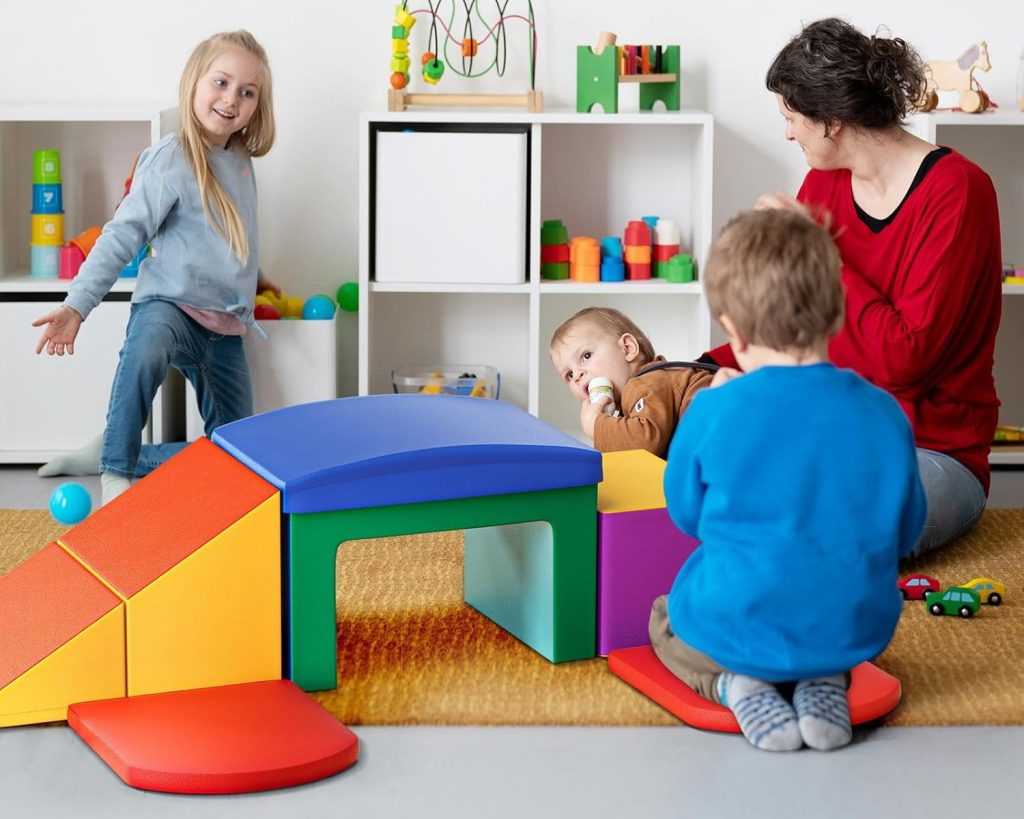
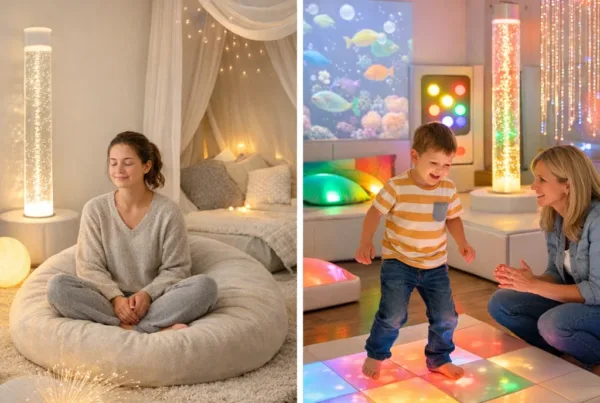
For someone with ADHD, a sensory room is usually most helpful when it offers a balance between stimulation and calm. For example, one child may need a bean bag, dim lighting, and soft music to settle down after school, while another may need a mini trampoline, resistance tools, or a wobble seat to release energy before returning to a task. In other words, sensory rooms work best when they are flexible and purposeful.
Why sensory support matters for ADHD
ADHD is commonly linked with differences in sensory processing. Although sensory processing issues are not part of the formal diagnostic criteria for ADHD, many people with ADHD experience them in everyday life. Busy classrooms, crowded shops, loud homes, or even scratchy clothing can affect attention and mood more than others may realize.
Research supports the idea that sensory challenges are common in ADHD. A review published in the journal Frontiers in Integrative Neuroscience found that children with ADHD showed significantly more sensory processing problems than children without ADHD. This matters because when the brain is working hard to manage sensory discomfort or sensory seeking, it becomes harder to focus, regulate emotions, and stay organized.
How sensory issues can show up in ADHD
Sensory needs in ADHD are not the same for everyone. Some people are sensory avoiders, which means they may become overwhelmed by too much input. Others are sensory seekers, meaning they may constantly move, touch, fidget, or look for strong sensations to feel regulated. Many experience a mix of both depending on the moment.
This is one reason sensory rooms can be useful. They create a place where sensory input can be more controlled. Instead of trying to cope in an unpredictable environment, the person can use tools and activities that help them feel more balanced. That can lead to better concentration, less frustration, and smoother transitions between activities.
How sensory rooms can help children and adults with ADHD
Sensory rooms may support ADHD in several important ways. One of the biggest benefits is emotional regulation. People with ADHD often experience emotions intensely and may find it difficult to calm down once they are upset, overstimulated, or frustrated. A sensory room can offer a quiet, safe space to pause before things escalate.
Another key benefit is improved readiness for learning or daily tasks. A short session in a sensory room before schoolwork, homework, meetings, or transitions may help the brain feel more organized. This does not mean the room will suddenly fix concentration problems, but it can lower stress and improve the chances of success.
- Reduce sensory overload from noise, light, or busy surroundings
- Support self-regulation during moments of frustration or hyperactivity
- Provide movement breaks that can improve attention afterward
- Create predictable routines that feel safe and comforting
- Help develop body awareness and calming strategies over time
In schools, sensory spaces are often used as part of wider inclusion strategies. The Centers for Disease Control and Prevention estimates that about 11.4% of U.S. children aged 3 to 17 have been diagnosed with ADHD. With ADHD being so common, it makes sense for schools and families to explore practical supports that help with attention, behavior, and wellbeing. Sensory rooms are one option that can serve this purpose when used thoughtfully.
What the evidence says about sensory rooms and ADHD
The evidence for sensory rooms is promising, but it is important to be honest and balanced. Many occupational therapists, teachers, and parents report positive results, particularly around calmness, regulation, and engagement. However, research on sensory rooms specifically for ADHD is still developing, and outcomes often depend on how the room is used.
This is important because sensory tools are not automatically effective just because they are popular. A room full of bright lights and gadgets may actually make some people with ADHD feel more distracted, not less. The strongest approach is individualized support. That means observing what helps the person regulate, what overwhelms them, and what goals the sensory room is meant to support.
What professionals often recommend
Many professionals suggest using sensory rooms as part of a broader support strategy rather than a standalone solution. This may include behavioral strategies, classroom accommodations, therapy, medication where appropriate, movement breaks, and consistent routines at home and school.
Occupational therapists are especially helpful in this area. They can assess sensory patterns and suggest specific equipment or activities. That makes the sensory room more effective because it becomes a targeted tool rather than a general play space. In practical terms, that could mean using deep pressure items for one person, heavy work activities for another, and a low-stimulation calming corner for someone else.
What should be in a sensory room for ADHD?
The best sensory room for ADHD is not always the most expensive one. It is the one that matches the user’s real needs. Some people benefit from calming features, while others need opportunities for safe movement and physical input. A good room often includes both, with the option to adjust depending on the situation.
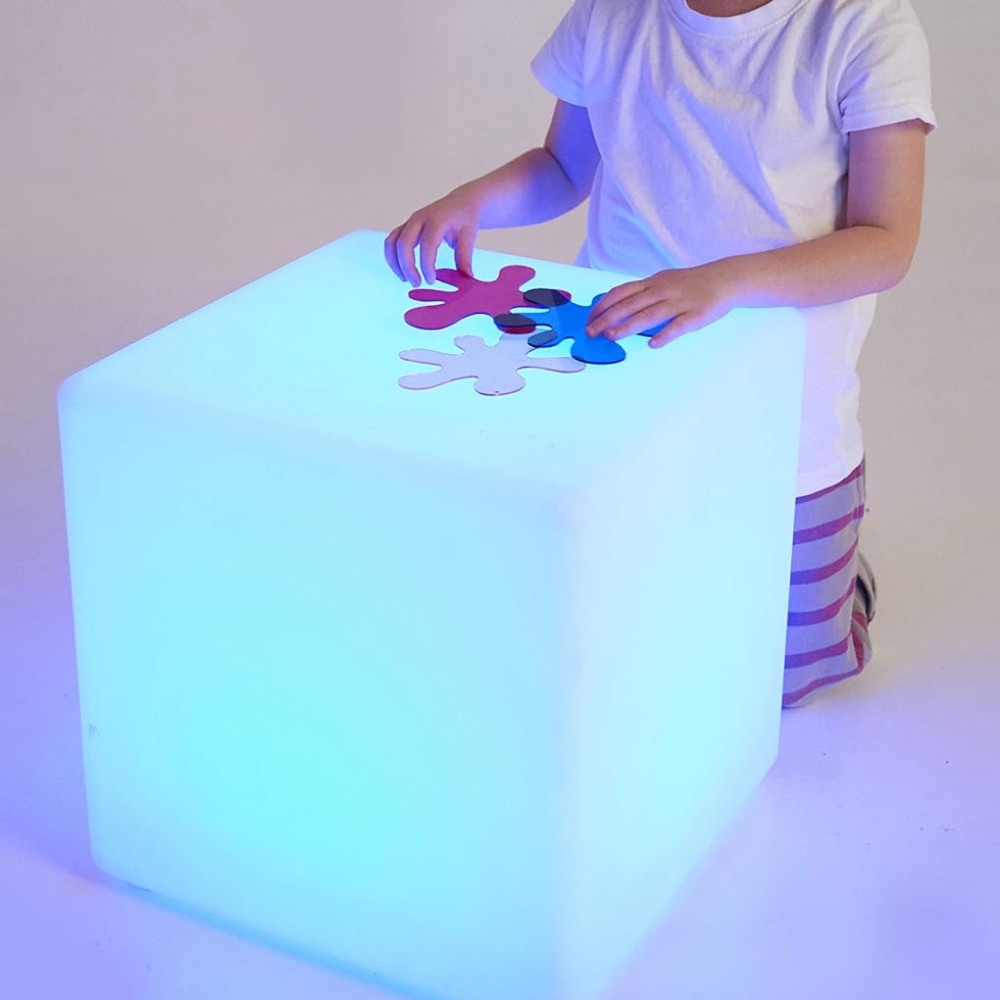
Many ADHD-friendly sensory spaces include soft seating, weighted items, tactile materials, movement tools, and adjustable lighting. Sound also matters. Some people do well with soft background noise or calming music, while others need quiet. The room should feel predictable, uncluttered, and easy to use without too many choices at once.
Helpful features to consider
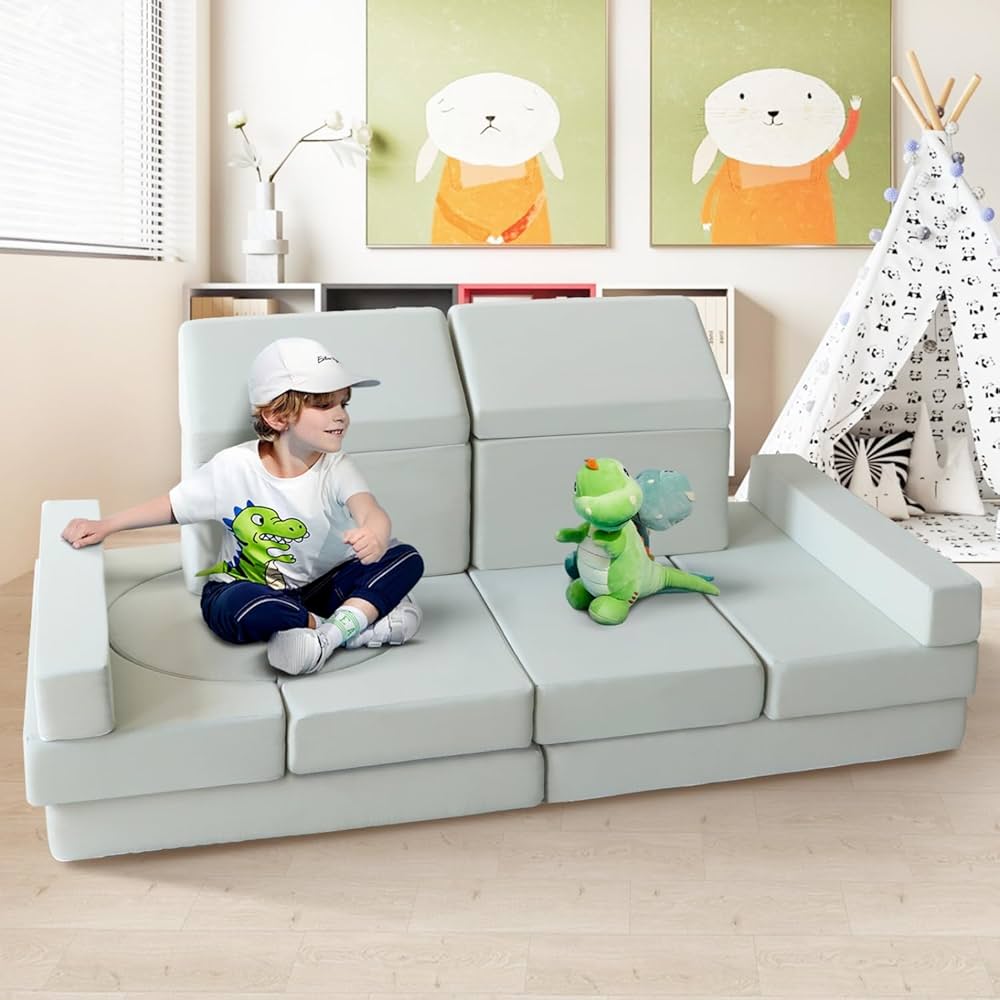
- Bean bags, floor cushions, or crash mats for comfort and safety
- Weighted blankets or lap pads if tolerated and recommended
- Fidget tools and textured objects for tactile input
- Swings, wobble stools, rocking chairs, or mini trampolines for movement
- Soft or dimmable lighting instead of harsh fluorescent lights
- Noise-reducing elements such as soft furnishings or headphones
- Visual timers and simple routines to structure use of the space
It is also wise to avoid overdesigning the space. Too many flashing lights, loud sounds, or competing activities can turn a sensory room into another source of overload. For ADHD, less is often more. A calm, organized room with a few well-chosen tools can be more effective than a highly stimulating environment.
Are sensory rooms helpful at school?
In schools, sensory rooms can be especially valuable because classrooms often demand extended sitting, listening, waiting, and self-control. These are all areas that can be hard for students with ADHD. A sensory room gives them a structured place to reset so they can return to learning in a better state.
The most effective school sensory rooms are not used as punishment and not treated as a reward that must be earned. Instead, they are a supportive resource. When a child learns to recognize early signs of overwhelm and use the room proactively, it can help prevent bigger behavior struggles later. Teachers may also notice improved transitions, fewer classroom disruptions, and better participation.
That said, school use should be planned carefully. Clear goals, staff training, and consistent routines matter. If students are sent to the room without guidance, it may become an escape from difficult tasks rather than a self-regulation space. Ideally, the room should support return to learning, not avoidance of it.
Can you create a sensory space at home?
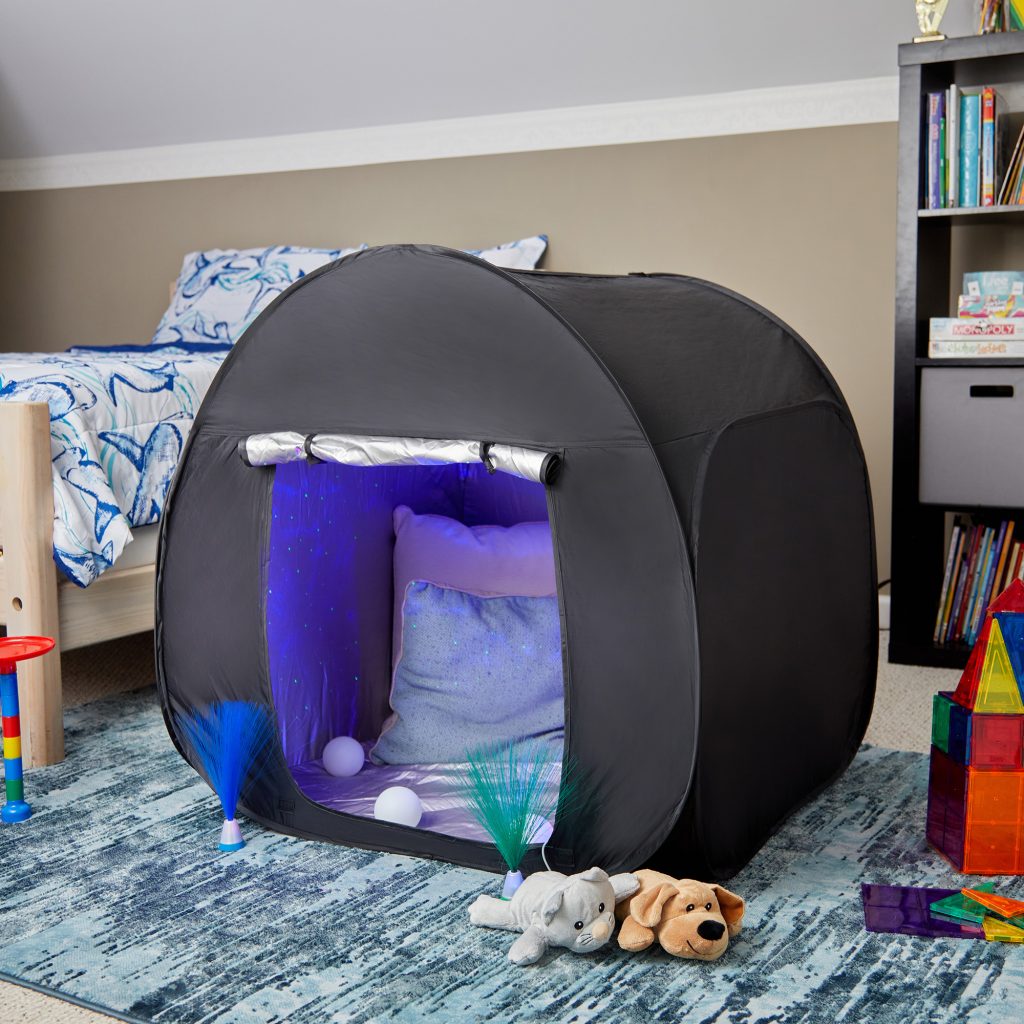
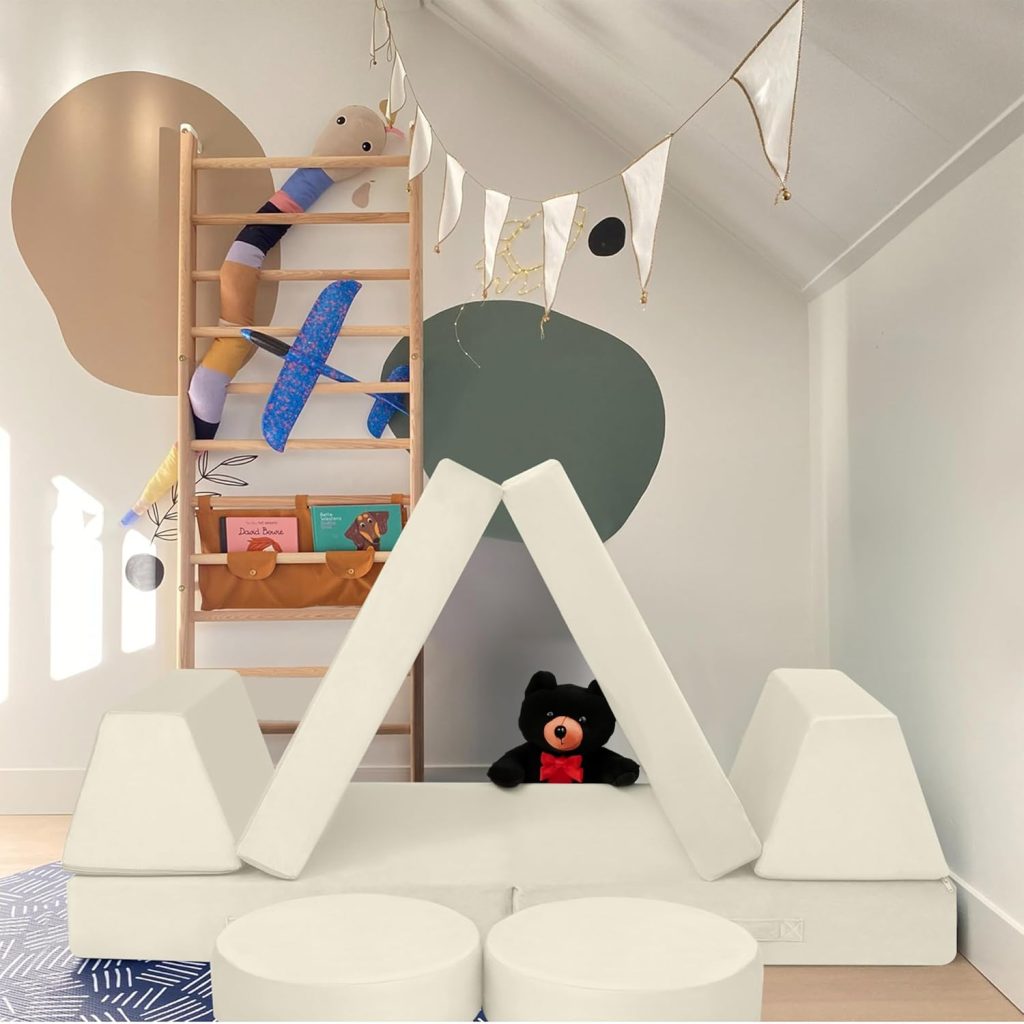
Yes, and it does not need to be a full room. Many families create a simple sensory corner at home with excellent results. A quiet area in a bedroom, playroom, or living room can still provide the benefits of a sensory space if it is used intentionally.
A home sensory space can be helpful before homework, after school, before bedtime, or during moments of frustration. Because home is where many children and adults drop their emotional guard, it is often the place where sensory overload becomes most noticeable. Having a dedicated space to regulate can reduce conflict and make daily routines smoother.
You do not need a large budget to start. Soft lighting, a comfortable chair, a weighted lap pad, a few fidgets, a visual routine, and access to movement tools can be enough. What matters most is observing what actually helps the person feel calmer, focused, or better organized.
Potential drawbacks and common mistakes
Sensory rooms are helpful for many people with ADHD, but they are not perfect for everyone. One common mistake is assuming that every person with ADHD needs the same type of sensory input. In reality, some may find movement calming, while others find it too exciting. Some enjoy tactile play, while others avoid certain textures completely.
Another issue is lack of structure. If the room is used without a plan, it may not lead to better outcomes. For example, a child may enjoy spending time in the sensory room but still struggle to return to tasks if there is no clear transition process. The room needs to connect to a goal such as calming down, improving attention, or getting ready for sleep or learning.
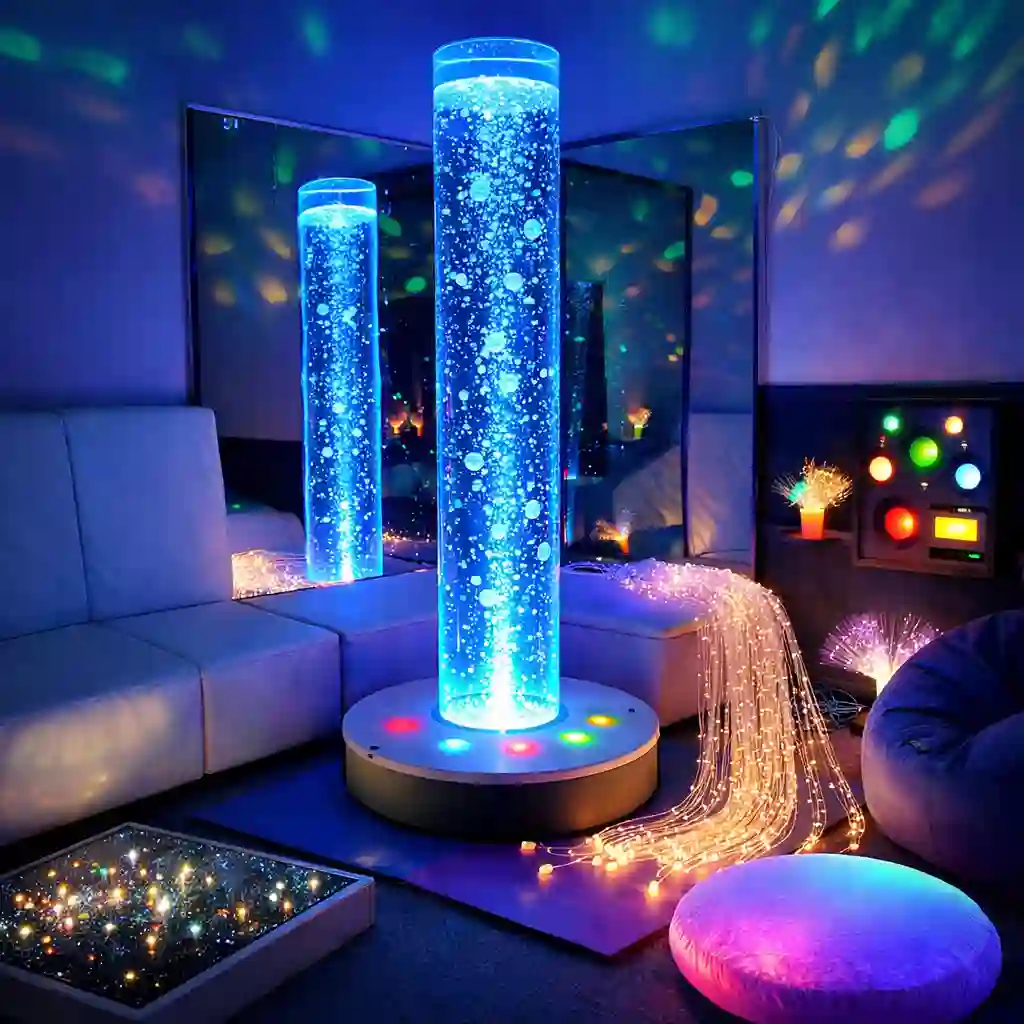
There is also the risk of overstimulation. Bright bubble tubes, spinning lights, loud music, and too many visual elements can distract or dysregulate a person with ADHD rather than helping them. This is why simple design and personalization are so important.
How to make a sensory room work well for ADHD
The best results usually come from observation, trial and error, and support from informed adults or professionals. Start by asking what challenge the room is meant to solve. Is it for calming meltdowns, preparing for homework, taking movement breaks, or supporting transitions? Once the goal is clear, it becomes easier to choose the right tools and routines.
It also helps to teach self-awareness over time. Rather than just sending someone into the room, encourage them to notice what their body feels like and what kind of input helps. This builds long-term regulation skills, which is far more valuable than simply using the room as a quick fix.
- Choose a small number of tools based on real sensory needs
- Keep the space tidy and predictable
- Use visual schedules or timers if transitions are difficult
- Review what is working and remove what is not
- Seek advice from an occupational therapist when possible
When used in this thoughtful way, sensory rooms can become a meaningful part of ADHD support. They are most effective when they help the person understand and manage their own needs, not just when they provide temporary distraction.
Final thoughts
Sensory rooms can be very good for ADHD when they are designed with care, used consistently, and matched to the individual’s sensory profile. They may help reduce overwhelm, improve regulation, support attention, and create a sense of safety during stressful moments. For many families, schools, and therapy teams, they offer a practical and compassionate way to support daily functioning.
At the same time, a sensory room is not a one-size-fits-all answer. ADHD is complex, and the most helpful supports are usually personalized. A simple, calm, well-planned sensory space can often do more than an elaborate room filled with stimulating equipment. If the goal is to help someone with ADHD feel more regulated, capable, and comfortable in their environment, a sensory room can absolutely be part of the solution.
FAQ
Do sensory rooms cure ADHD?
No, sensory rooms do not cure ADHD. ADHD is a neurodevelopmental condition, and sensory rooms are a support tool, not a treatment on their own. They can help with regulation, focus, and stress management as part of a wider support plan.
Are sensory rooms only for children with ADHD?
No, adults with ADHD can benefit too. Many adults struggle with sensory overload, restlessness, and difficulty switching off. A calming or regulating sensory space at home or work can be helpful for breaks, focus, and emotional balance.
What is better for ADHD, a calm sensory room or an active one?
It depends on the person. Some people with ADHD need calming input such as low light, soft seating, and quiet. Others benefit from active input such as movement, resistance, or tactile tools. Many do best with a space that allows both options.
Can a sensory room help with ADHD meltdowns?
It can help prevent or reduce meltdowns for some people by offering a safe place to regulate before overwhelm becomes too intense. However, the room should be introduced positively and used as part of a broader emotional regulation strategy.
Do schools need specialist advice before creating a sensory room?
It is highly recommended. Guidance from occupational therapists, SEND professionals, or experienced educators can help ensure the room is safe, purposeful, and suited to students’ needs rather than becoming overstimulating or ineffective.
Can I make a sensory room on a budget?
Yes. Many effective sensory spaces are simple and affordable. You can start with soft lighting, comfortable seating, a few fidget items, a weighted lap pad, and access to movement tools. The most important thing is choosing items that meet the person’s actual needs.