Table of contents
Sensory rooms are specialised spaces designed to provide tailored sensory experiences that calm, stimulate, or regulate the nervous system. While they’re often associated with autism, their benefits extend far beyond a single group. So, who needs a sensory room? The answer might surprise you. From neurodivergent individuals to stressed professionals, sensory rooms are a versatile tool for enhancing well-being. This article explores the diverse groups that benefit from sensory rooms and offers actionable insights for creating inclusive, effective spaces.

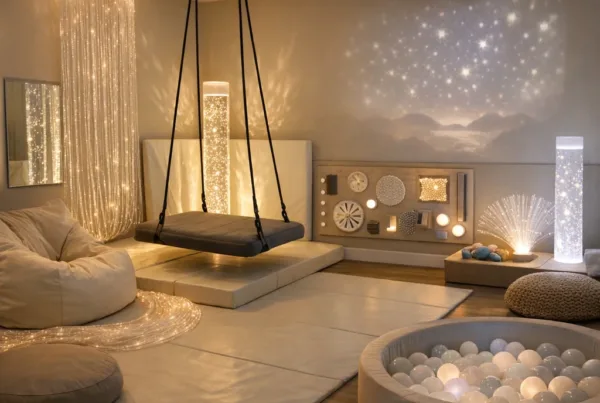
Image by TickiT
What is a sensory room?
A sensory room is a controlled environment filled with tools and sensory room equipment that engage the senses—sight, sound, touch, smell, and even movement. These spaces can be calming or stimulating, depending on the user’s needs. Think soft lighting, tactile walls, aromatherapy diffusers, weighted blankets, or interactive projectors. The goal is to help individuals self-regulate, focus, or simply find respite from overwhelming environments.
However, sensory rooms are not universally applicable. Their design depends on who uses them and why. Let’s dive into the key groups that benefit most from these transformative spaces.
For further reading, explore our in-depth guide on ‘What is a sensory room?‘.
Who benefits from sensory rooms?
1. Autistic individuals
Autistic people often experience sensory processing differences, making everyday environments overstimulating. Sensory rooms provide a refuge where they can control input—dimming lights, reducing noise, or seeking deep pressure through weighted tools. For example, a child overwhelmed by a noisy classroom might use a sensory room to reset with a swing or tactile toys. These spaces also support skill development, like improving communication through cause-and-effect panels.
2. People with sensory processing disorder (SPD)
SPD affects how the brain processes sensory information, leading to extreme reactions to stimuli like textures, sounds, or smells. Sensory rooms allow individuals with SPD to gradually desensitise to triggers in a safe setting. A tactile wall with varying textures, for instance, can help someone uncomfortable with touch explore at their own pace.
3. Individuals with ADHD or anxiety
Those with ADHD may seek sensory input to improve focus, while anxiety sufferers often need calming environments. Sensory rooms cater to both needs. Fidget tools, kinetic sand, or wobble chairs can help channel restless energy, while lavender-scented diffusers and slow-moving bubble tubes promote relaxation.
4. People with dementia or Alzheimer’s disease
Sensory rooms are increasingly used in dementia care. Familiar smells, soothing music, or tactile objects like knitted blankets can reduce agitation and spark memories. For example, a room with 1950s-themed items and period-appropriate music might comfort someone with late-stage Alzheimer’s.
5. Neurotypical individuals in high-stress environments
Even people without sensory processing challenges benefit from sensory rooms. Think of a nurse working 12-hour shifts who uses a sensory pod to decompress, or an airport traveller overwhelmed by crowds who retreats to a quiet sensory corner. These spaces offer universal stress relief.
For further reading, explore our in-depth guide on ‘The benefits of sensory rooms‘.

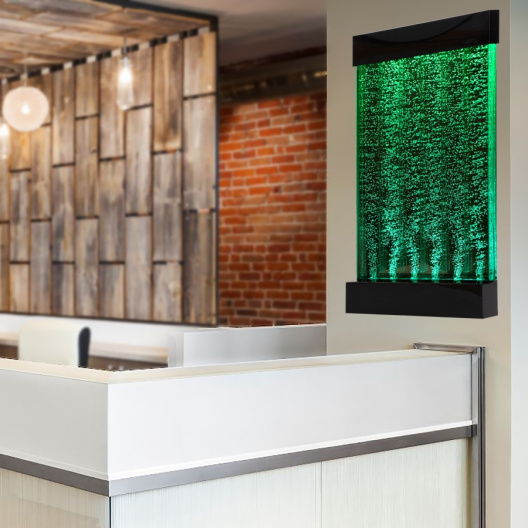
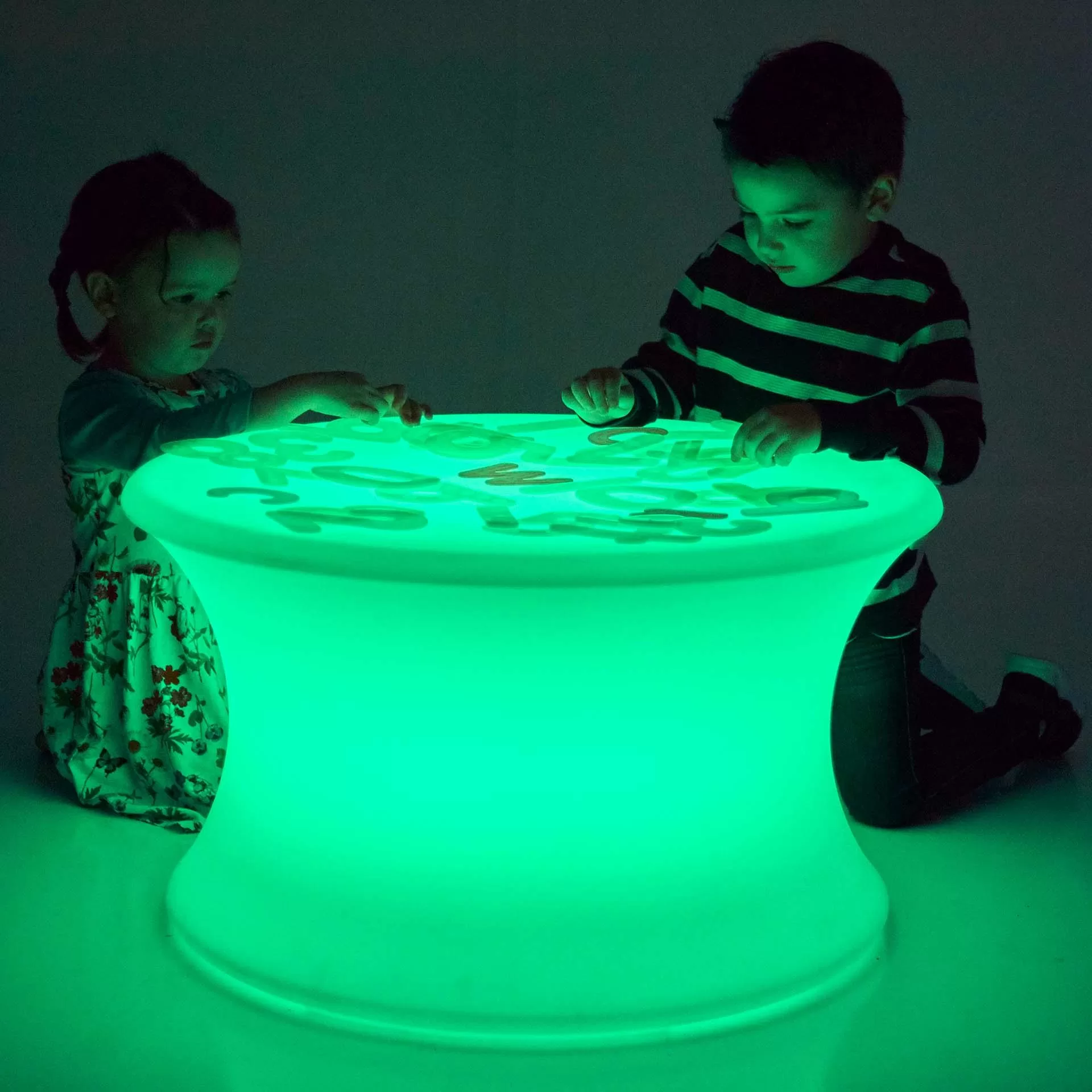
Image by ODOXIA Store
Where are sensory rooms most needed?
Schools and universities
Classrooms are sensory minefields—fluorescent lights, chatter, and rigid desks. Sensory rooms in schools help students regulate emotions, avoid meltdowns, and return to class ready to learn. Universities are also adopting them to support neurodivergent students during exams or social overload.
Actionable tip: Start small with a “sensory corner” in a classroom: bean bags, noise-cancelling headphones, and a few tactile toys.
Workplaces
Open-plan offices can drain focus and increase stress. Corporate sensory rooms—with adjustable lighting, soundproof pods, or massage chairs—boost productivity and mental health. Companies like Microsoft and Google already use them to support employee well-being.
Actionable tip: Incorporate sensory breaks into the workday. A 10-minute session in a calming room can recharge focus.
Healthcare settings
Hospitals and clinics use sensory rooms to ease patient anxiety before procedures. Paediatric wards, for example, might include interactive light projectors to distract children during IV placements.
Public spaces
Airports, shopping centres, and museums are adding sensory rooms to accommodate diverse visitors.
Key elements of an effective sensory room
An effective sensory room should be adaptable to serve multiple needs. This can be achieved through modular furniture, adjustable lighting, and interchangeable sensory equipment that caters to different users. Safety is also a priority, requiring soft flooring, padded walls, and the removal of potential hazards like sharp edges or small parts that could pose choking risks. Ensuring a secure environment is especially important for children and individuals with mobility challenges.
To create a well-rounded experience, the room should balance stimulation and calm by incorporating distinct zones. A calming area might include weighted blankets and slow-moving visuals, while a more stimulating section could feature climbing walls or vibrating massage pads. Personalisation is key to meeting users’ unique needs—this could mean adding a mini trampoline for a teenager with ADHD or nostalgic items like vinyl records for an older adult with dementia. By considering adaptability, safety, balance, and personalisation, a sensory room can effectively support a diverse range of individuals.
How to create a sensory room for different needs
For children with autism:
- Prioritise safety with foam mats and secure equipment.
- Include cause-and-effect toys (e.g., button-activated lights) to build communication skills.
- Use visual schedules to help kids transition into and out of the room.
For workplaces:
- Opt for sleek, adult-friendly designs—think soundproof phone booths with ambient lighting.
- Add plants for biophilic benefits and air purification.
- Offer sensory “kits” with stress balls or aroma inhalers for desk use.
For dementia care:
- Incorporate reminiscence therapy tools: old photographs, tactile memory boxes, or vintage radios.
- Use contrasting colours to aid navigation (e.g., a brightly coloured chair against a neutral wall).
Real-life impact: Why sensory rooms matter
Sensory rooms are more than theoretical concepts—they transform lives in tangible ways. Let’s explore two powerful examples from the United Kingdom that highlight their profound impact.
Case Study: St Agnes Catholic Primary School (North London)
St. Agnes Catholic Primary School faced the challenge of creating an inclusive sensory space within a small, underutilised area. Collaborating with Senteq, the school transformed a cramped room into a calming, multi-functional sensory haven. The design included soft padding to cover pipework (creating a cosy seating area), a Borealis Tube for visual stimulation, tactile discs, and a solar projector paired with calming music via Bluetooth. Teachers reported that students overwhelmed by the school day could now retreat to this space to self-regulate and return to class calmer and more focused.
The installation, completed during summer holidays, was a “wonderful surprise” for students. Staff noted improved emotional resilience and reduced anxiety, particularly for neurodivergent pupils. The project exemplifies how even limited spaces can become transformative environments with thoughtful design.
Parent Testimonial: A Reset Button for Emotional Regulation
One parent shared how their autistic child’s experience shifted dramatically after their school introduced a sensory room:
“It’s like a reset button for him. After spending time in the sensory room, he’s calmer and more focused.”
– Katie Hall, SENCo at the John Fisher School
Broader UK Impact
The UK government’s recent £740 million investment in SEND support highlights the growing recognition of sensory rooms as critical educational tools. Schools like Polden Bower in Somerset have leveraged such funding to install immersive sensory environments, resulting in measurable improvements in student engagement and emotional well-being.
Why These Examples Matter
- Accessibility: Even small spaces, like St. Agnes’ converted room, can make a difference.
- Customisation: Tailored designs (e.g., calming colours, tactile tools) address diverse needs.
- Evidence-Based Outcomes: Reduced meltdowns, improved focus, and emotional resilience are repeatedly documented.
These stories reflect a broader movement in the UK toward sensory-inclusive education—one where every child, regardless of neurotype, can thrive.
Final thoughts
Sensory rooms aren’t a luxury—they’re a necessity for fostering inclusivity and well-being. These spaces bridge the gap between individual needs and overwhelming environments, whether for a child with autism, an employee battling burnout, or an elderly person with dementia.
The key takeaway? Everyone deserves a sensory-safe space. By designing rooms with flexibility, safety, and user input, we can create environments where people of all ages and abilities thrive. Ready to get started? Identify a need in your community, gather feedback, and take the first step toward building a more sensory-inclusive world.