Table of contents
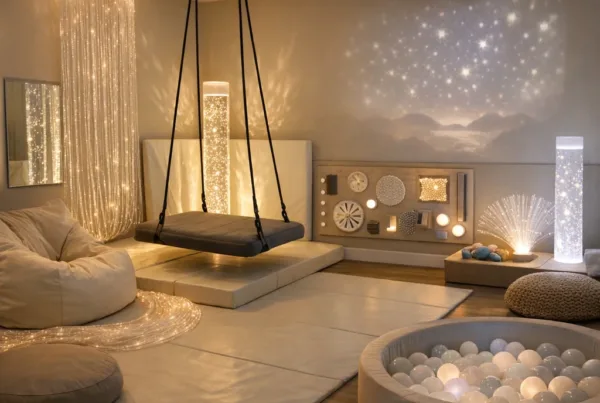
Sensory rooms have become an essential resource for individuals with autism, offering a unique environment designed to address sensory processing differences. These spaces are more than just a trend—they’re a lifeline for many autistic individuals. But what is a sensory room, and why do autistic people find sensory rooms so appealing? What is it about these spaces that provides comfort, regulation, and even joy? This article explores the reasons behind the profound connection between autistic individuals and sensory rooms, offering actionable insights for anyone looking to create or understand these transformative spaces.
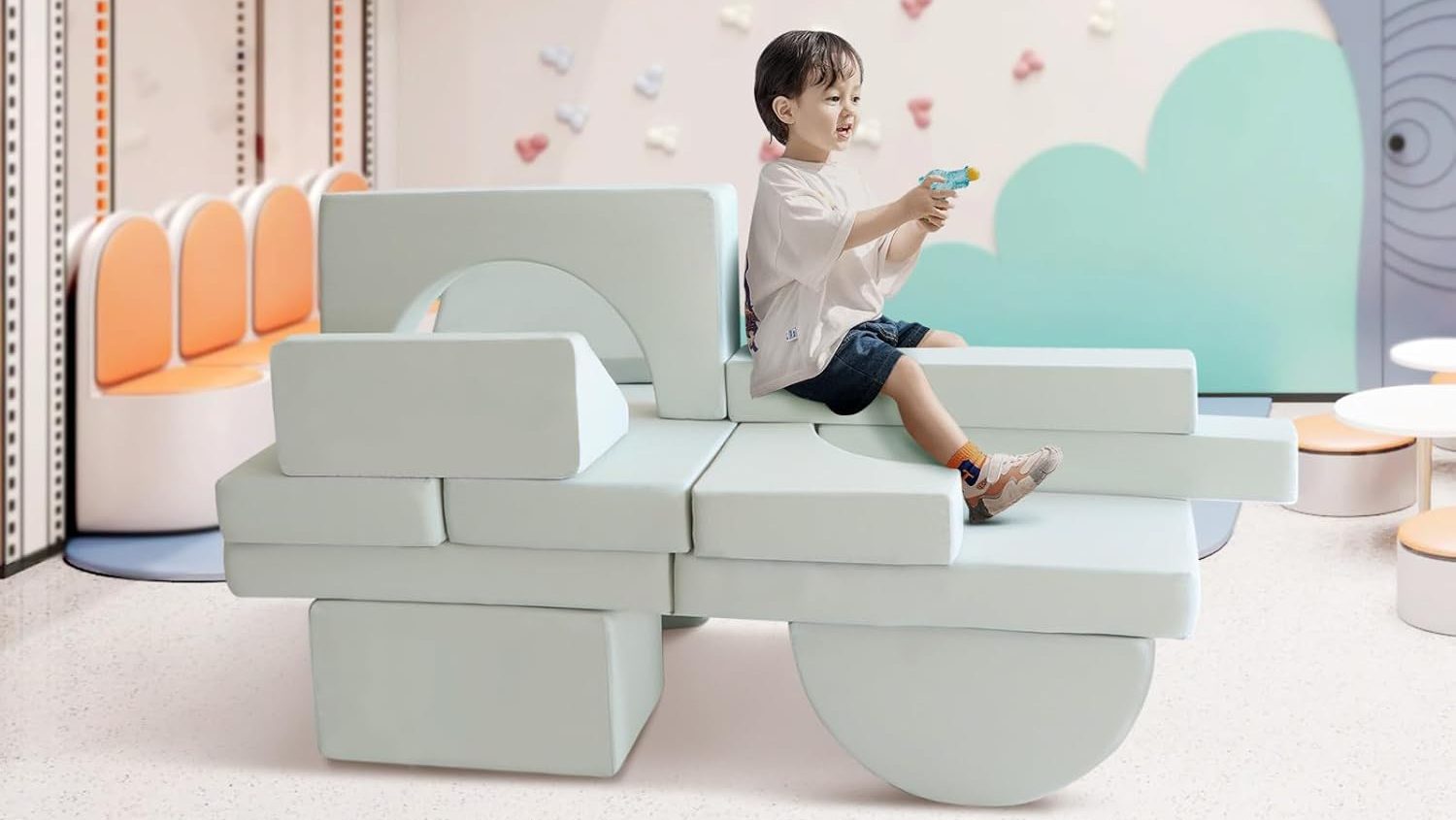
Image by MSOBAIW
Understanding sensory processing in autism
To understand why sensory rooms are so beneficial, it’s important to first explore how sensory processing works in autistic individuals. Autism is a neurodevelopmental condition that often involves differences in how the brain processes sensory information. For many autistic people, the world can feel overwhelming. Everyday stimuli—like bright lights, loud noises, or even the texture of clothing—can be intensely magnified or distorted. This is often referred to as sensory sensitivity or sensory overload.
On the other hand, some autistic individuals may seek out sensory input to regulate their emotions or focus their attention. This is known as sensory seeking. Both sensory sensitivity and sensory seeking are part of the broader concept of sensory processing differences, which are central to the autism experience.
Sensory rooms are specifically designed to address these differences. They provide a controlled environment where individuals can either retreat from overwhelming stimuli or engage with sensory input in a way that feels safe and comforting. Let’s break this down further.
Why do autistic people like sensory rooms?
1. A safe space to regulate emotions
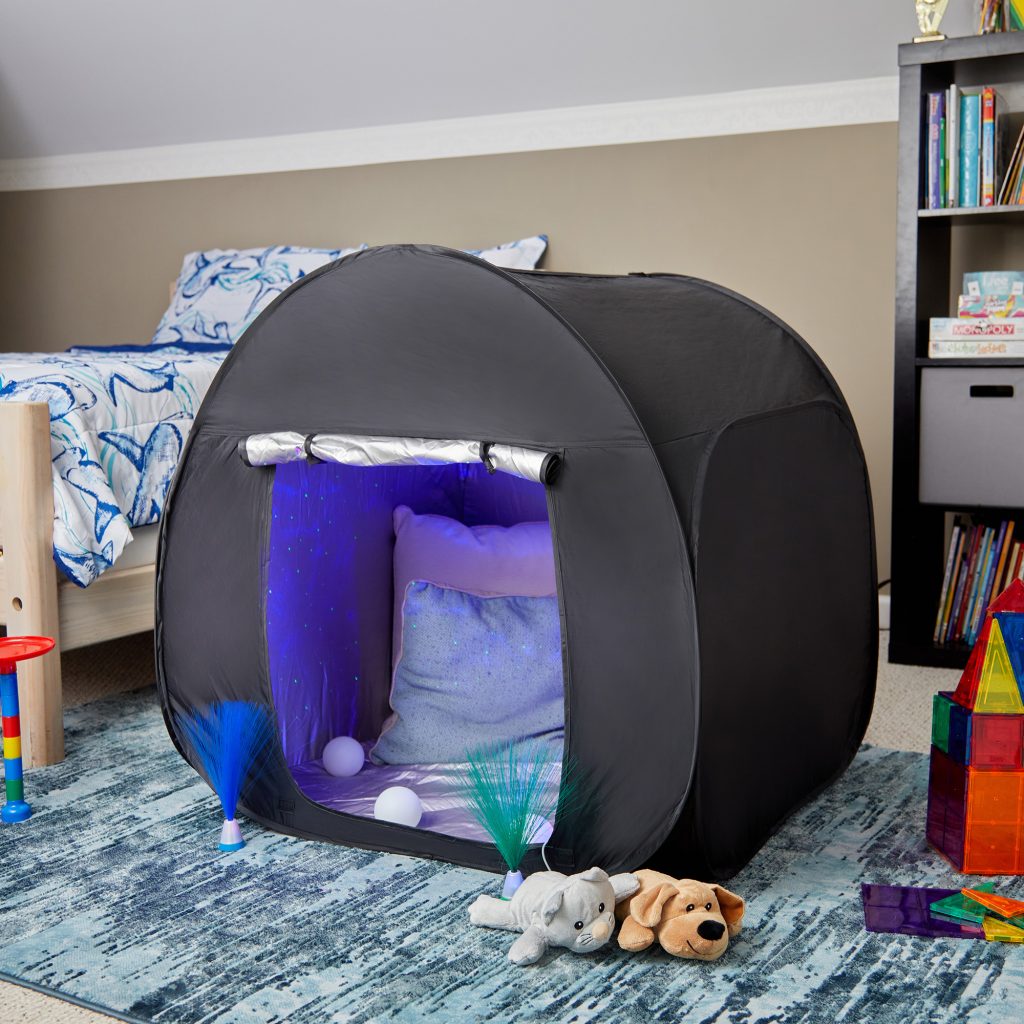
One of the primary reasons autistic people are drawn to sensory rooms is the sense of safety they provide. Imagine walking into a room where the lighting is soft, the sounds are calming, and the environment is entirely predictable. For someone who experiences sensory overload, this can feel like a sanctuary.
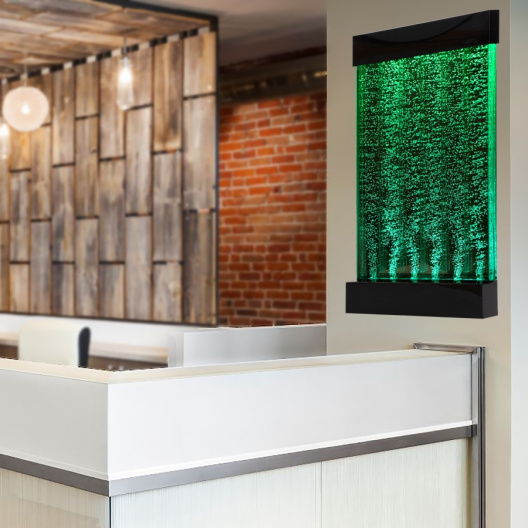
Sensory rooms are often equipped with sensory room equipment like weighted blankets, bubble tubes, and soft seating, all of which can help regulate the nervous system. These elements provide deep pressure input or calming visual stimuli, which can reduce anxiety and promote relaxation. For autistic individuals, having a space where they can retreat and regain control over their emotions is invaluable.
2. Opportunities for sensory exploration
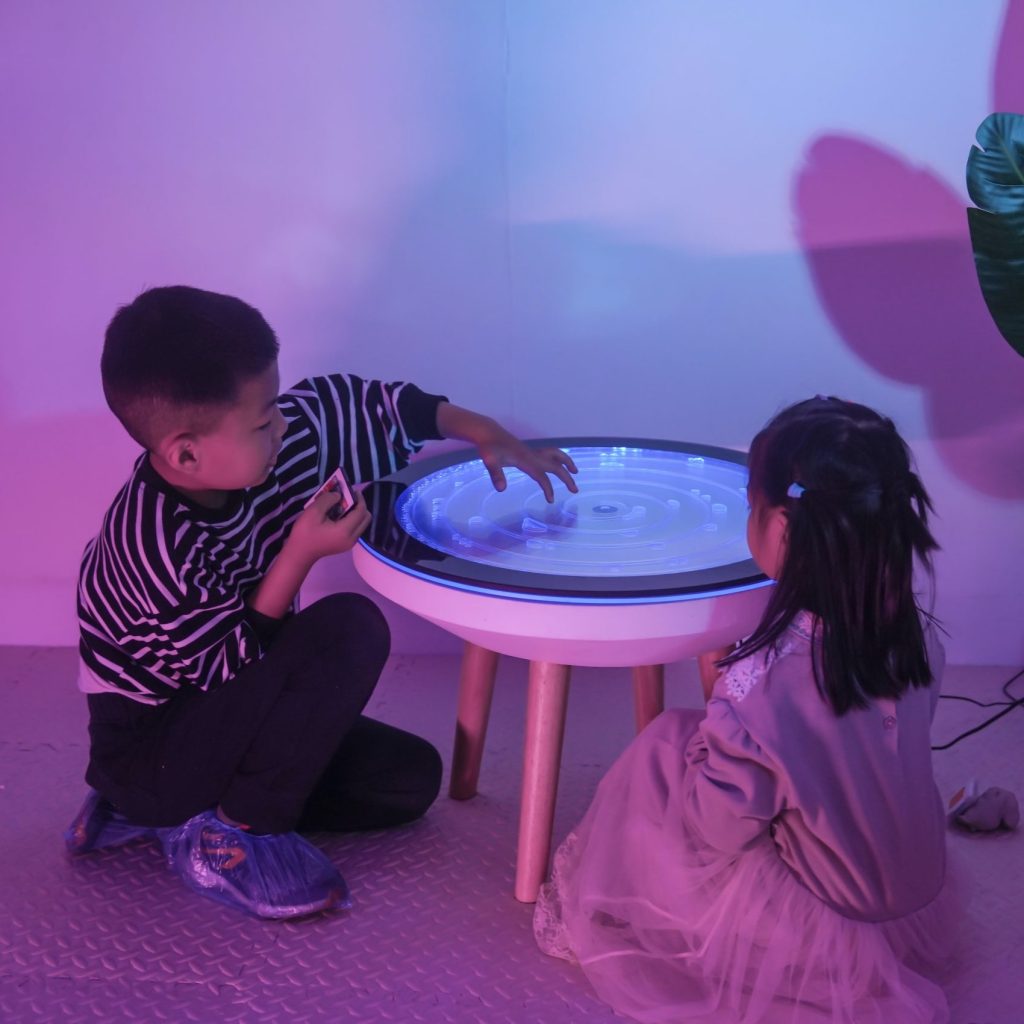
While some autistic individuals need to avoid sensory overload, others crave sensory input to feel grounded and focused. Sensory rooms cater to this need by offering a variety of stimuli that can be explored at the individual’s own pace. For example, tactile walls, fibre optic lights, and interactive panels allow users to engage with different textures, colours, and sounds in a way that feels enjoyable and stimulating.
This type of sensory exploration isn’t just fun—it’s also therapeutic. It helps individuals develop their sensory processing skills, improve focus, and even enhance communication. For many autistic people, sensory rooms are a place where they can fully engage with their senses without fear of judgement or overstimulation.
3. Customisable environments
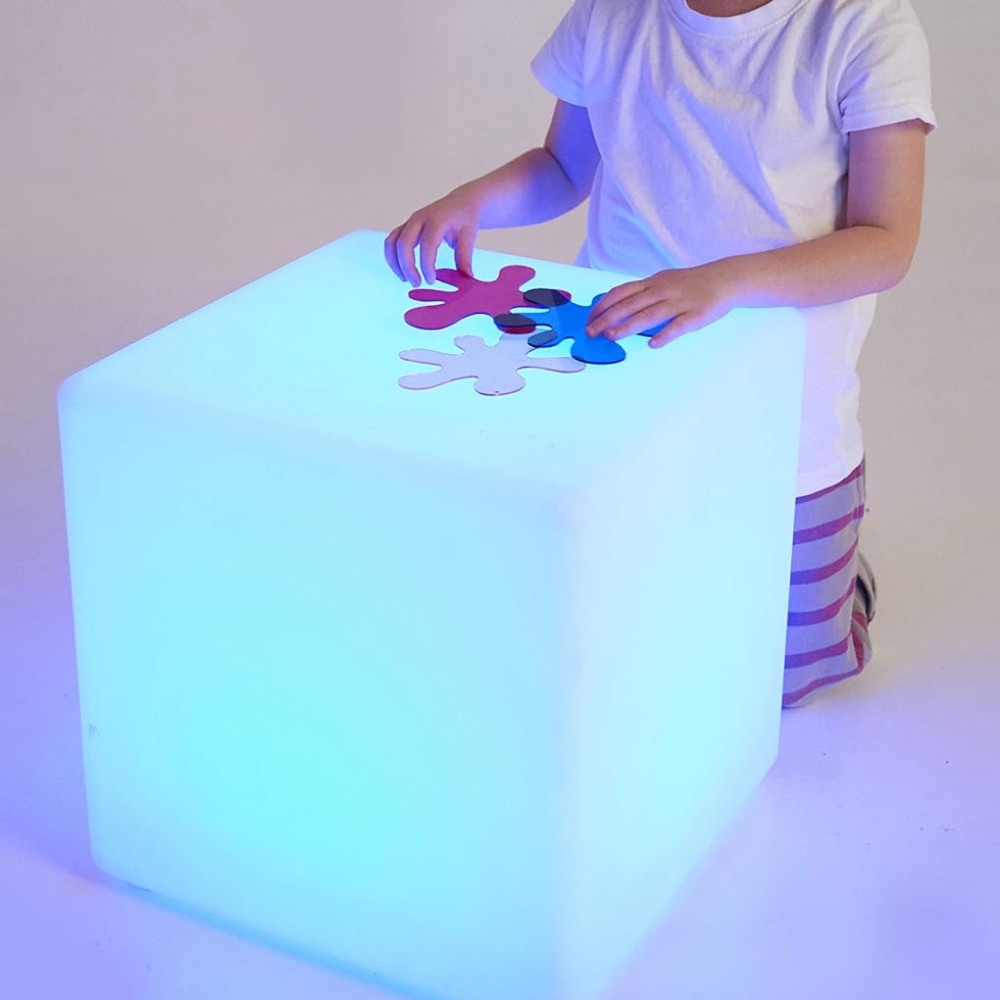
One of the most powerful aspects of sensory rooms is their adaptability. Every autistic person is unique, with their own sensory preferences and needs. A well-designed sensory room can be tailored to accommodate these differences. For instance, adjustable lighting allows users to choose between bright, stimulating colours or soft, calming hues. Similarly, sound systems can be programmed to play everything from nature sounds to rhythmic music, depending on the individual’s preferences.
This level of customisation ensures that sensory rooms can meet the needs of a wide range of users. Whether someone is seeking a quiet space to unwind or an interactive environment to explore, a sensory room can be adjusted to suit their needs.
4. Promoting independence and empowerment
Sensory rooms also empower autistic individuals by giving them control over their environment. In a world that often feels unpredictable and overwhelming, having a space where they can make choices—like which sensory tool to use or how long to spend in the room—can be incredibly empowering. This sense of autonomy can boost self-esteem and encourage independence, which are crucial for personal growth and development.
Also, see our article on ‘Why do children with autism like sensory toys?‘ for further reading.
The science behind sensory rooms
It’s not just anecdotal evidence that supports the benefits of sensory rooms—there’s science behind it too. Research has shown that sensory interventions, like those provided in sensory rooms, can have a positive impact on behaviour, emotional regulation, and overall well-being. For example, studies have found that deep pressure input (like that provided by weighted blankets) can reduce anxiety and improve focus in autistic individuals. Similarly, visual stimuli like bubble tubes and fibre optic lights have been shown to promote relaxation and reduce stress.
These findings highlight the importance of sensory rooms as a therapeutic tool. By addressing sensory processing differences, these spaces can help autistic individuals navigate the world with greater ease and confidence.
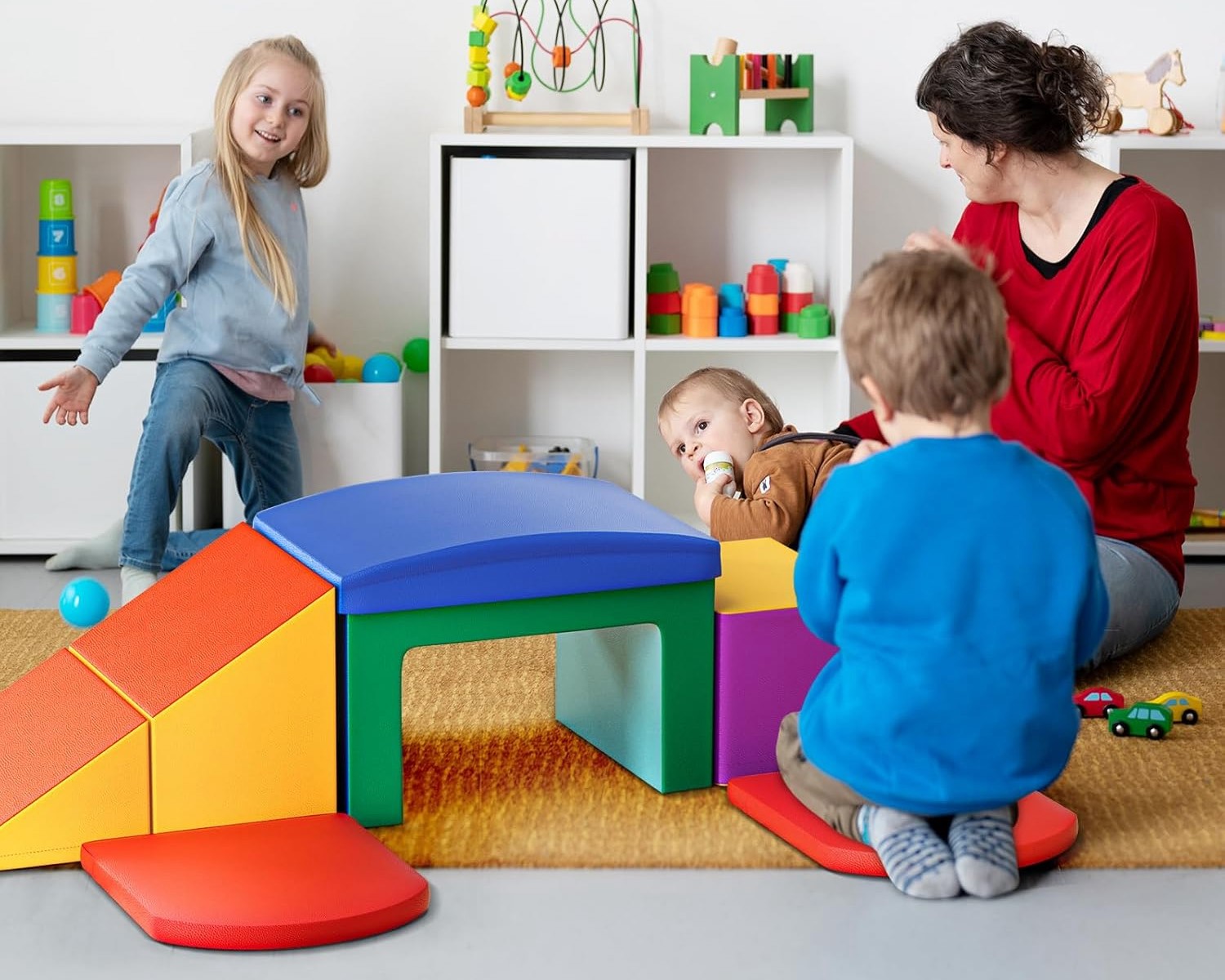
Image by Lischwert
How to create a sensory room that autistic people will love
For those inspired to create a sensory room, here are some actionable tips to ensure it meets the needs of autistic individuals:
1. Start with the basics: lighting and sound
Lighting and sound are the foundation of any sensory room. Opt for adjustable LED lights that can be dimmed or changed in colour. Avoid fluorescent lighting, as it can be harsh and overstimulating. For sound, consider a white noise machine or a sound system that allows users to choose from a variety of calming options.
2. Incorporate a variety of sensory tools
A good sensory room should offer a range of sensory experiences. Include tactile elements like textured walls or sensory bins, visual stimuli like bubble tubes or projectors, and auditory tools like musical instruments or sound machines. Don’t forget about proprioceptive input—weighted blankets, crash pads, and swings can provide the deep pressure many autistic individuals find calming.
3. Prioritise safety and comfort
Safety is paramount in a sensory room. Ensure that all equipment is securely installed and that the space is free from hazards. Soft flooring, padded walls, and comfortable seating can make the room more inviting and reduce the risk of injury.
4. Make it adaptable
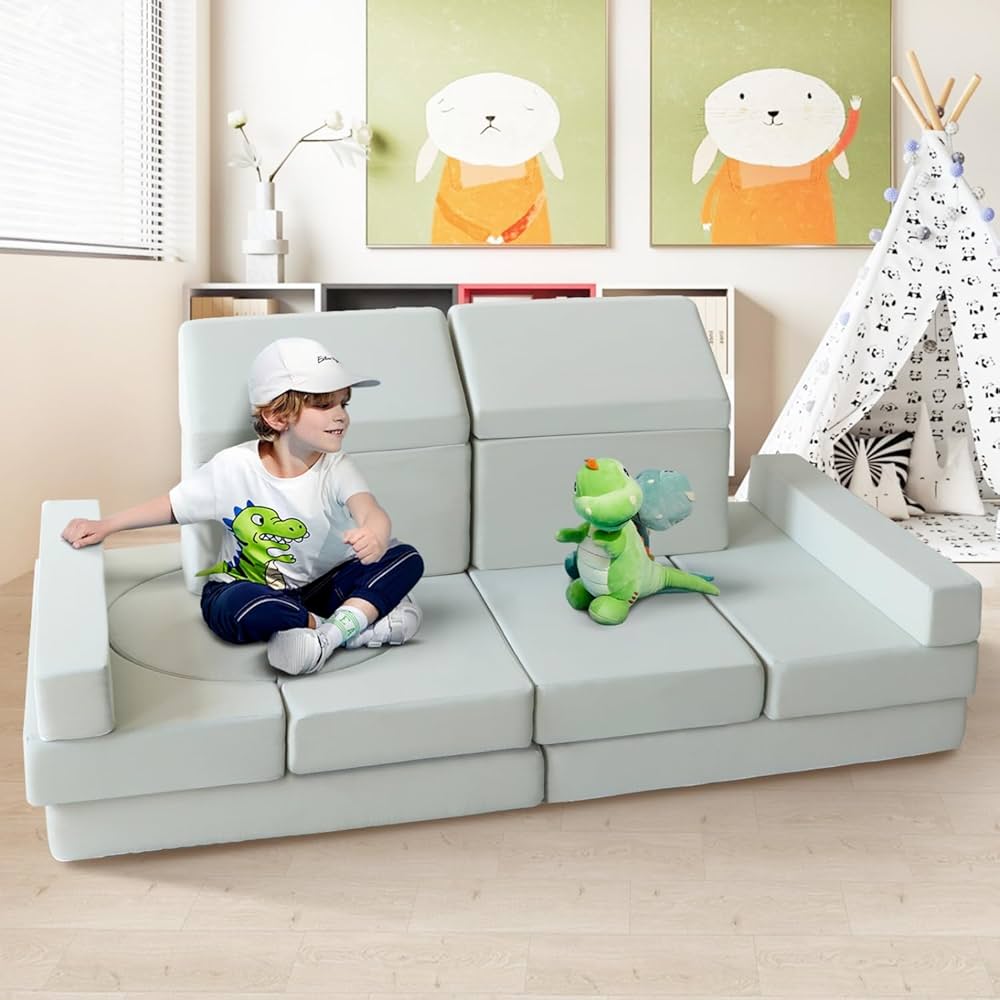
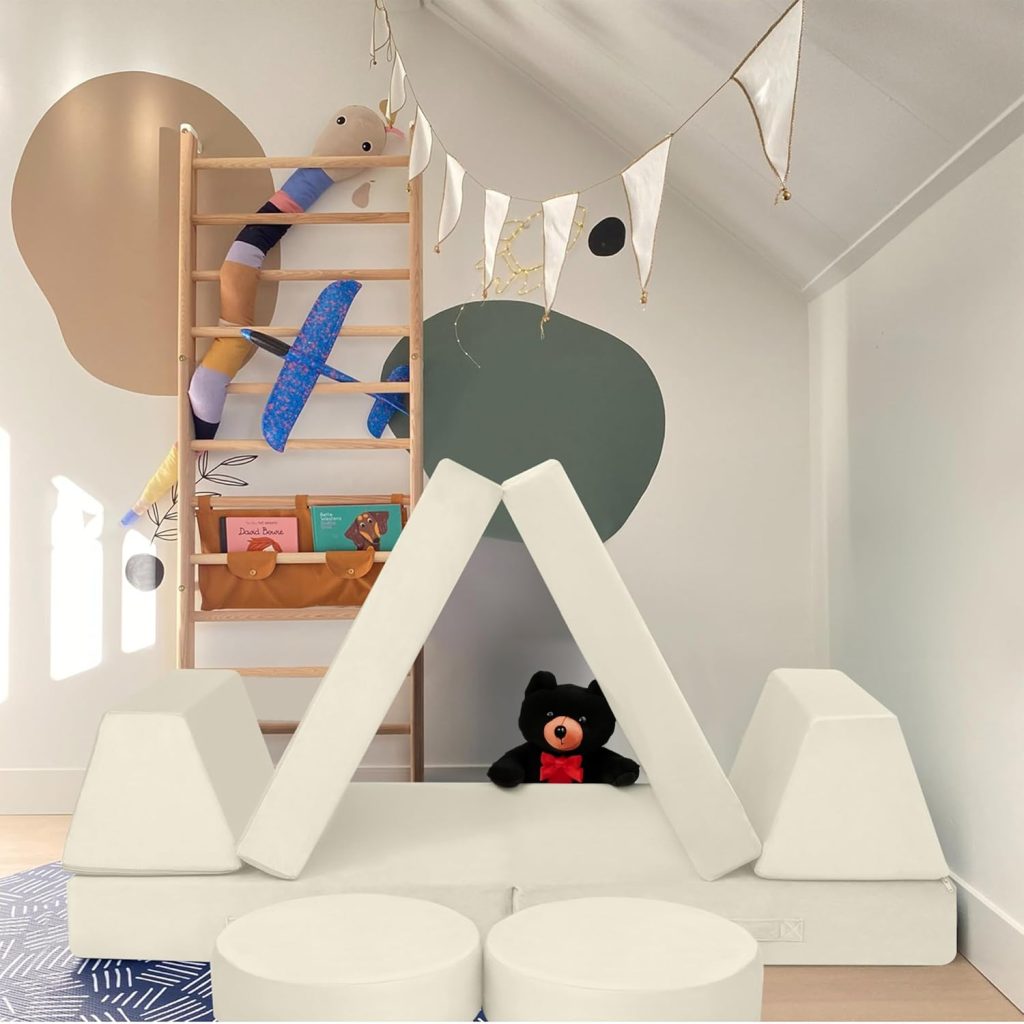
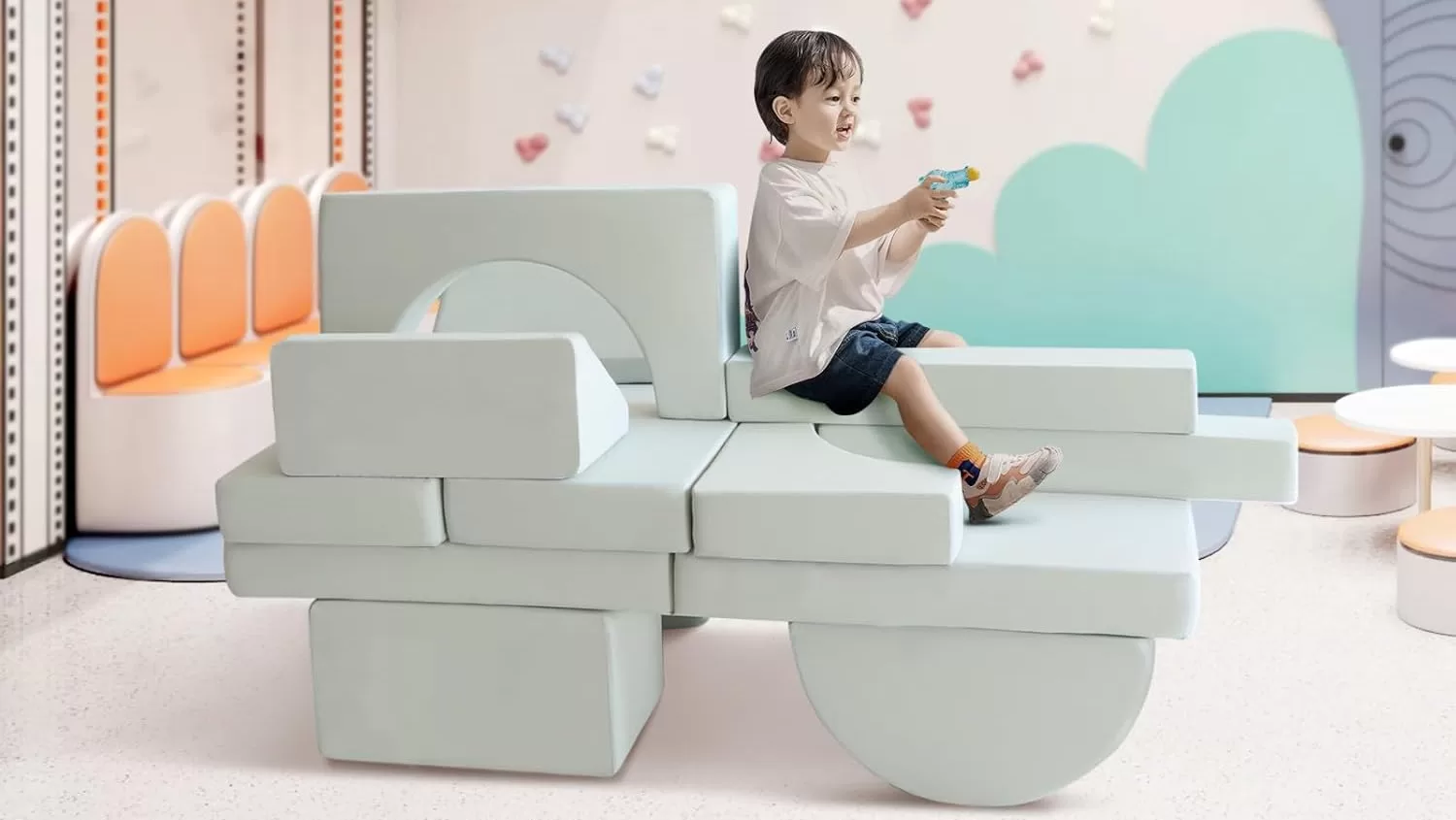
As mentioned earlier, customisation is key. Design the room so that it can be easily adjusted to meet the needs of different users. For example, use modular furniture such as a modular kids play sofa that can be rearranged, and choose sensory tools that can be turned on or off as needed.
5. Seek input from autistic individuals
Finally, involve autistic individuals in the design process. Their insights and preferences will ensure that the room is truly effective and welcoming. After all, who better to guide the creation of a sensory room than the people who will be using it?
Final thoughts
Sensory rooms are more than just a collection of lights, sounds, and textures—they’re a gateway to understanding and supporting the unique sensory needs of autistic individuals. By providing a safe, customisable, and empowering environment, these spaces can help autistic people regulate their emotions, explore their senses, and thrive in a world that often feels overwhelming.
For those considering creating a sensory room, careful planning and a focus on the needs of autistic individuals can result in a space that makes a real difference. And for autistic individuals or their loved ones, sensory rooms represent sanctuaries, playgrounds, and tools for growth, all rolled into one.
By creating more sensory rooms, society can take a significant step toward making the world a more inclusive and understanding place for everyone.